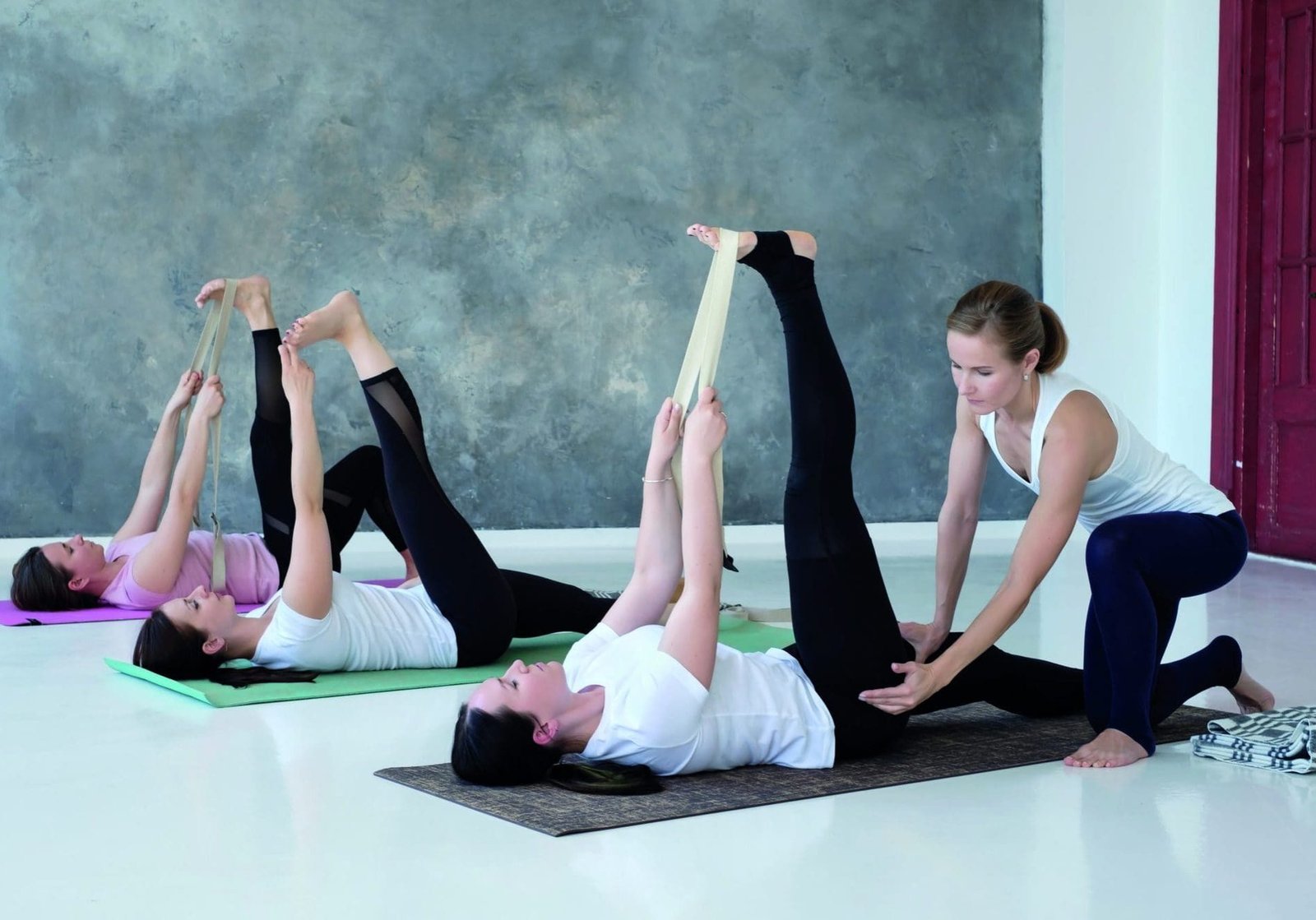
Imagine stepping into a quiet studio on a rainy Amsterdam afternoon, unrolling your mat, and feeling that first stretch pull you out of the daily grind. That’s how I fell in love with Iyengar yoga years ago during a trip to Europe—it wasn’t just exercise; it was like unlocking parts of my body I’d ignored for decades. If you’re wondering what Iyengar yoga is all about, especially if you’re eyeing a spot like the Iyengar Yoga Centrum Amsterdam, you’re in the right place. This practice, rooted in precision and mindfulness, has transformed millions of lives, and I’ll walk you through its essence, history, benefits, and even how to get started right there in the heart of the Netherlands. Let’s dive in without the fluff, focusing on what makes this yoga style a game-changer for beginners and pros alike.
The Origins of Iyengar Yoga
Iyengar yoga didn’t just appear out of thin air; it’s the brainchild of a man who turned personal struggle into a global movement. Born in 1918 in a small Indian village, B.K.S. Iyengar battled illnesses like tuberculosis and malaria as a child, which sparked his journey into yoga for healing. By the 1930s, he was studying under his guru, Tirumalai Krishnamacharya, and began refining techniques that emphasized body alignment over speed or flow. His 1966 book, Light on Yoga, became a bible for practitioners worldwide, selling millions and introducing the style to the West.
Who Was B.K.S. Iyengar?
Picture a frail kid who could barely stand straight, transforming into a yoga master who could hold impossible poses into his 90s—that’s B.K.S. Iyengar in a nutshell. He passed away in 2014 at 95, but his legacy lives on through certified teachers everywhere. Iyengar wasn’t just about physical feats; he believed yoga was a path to mental clarity and spiritual growth, often saying it was “meditation in action.” His teachings spread globally, influencing celebrities like violinist Yehudi Menuhin, who credited Iyengar with curing his performance anxiety.
The Evolution from Traditional Roots
Yoga has ancient origins in India, but Iyengar took hatha yoga’s foundations and added a modern twist with props and detailed instructions. Starting in the 1950s, he taught in Pune, India, at his institute, Ramamani Iyengar Memorial Yoga Institute, where students flocked from around the world. By the 1970s, the practice hit Europe and the U.S., evolving to include therapeutic applications for injuries. Today, it’s certified by associations like IYNAUS in the States, ensuring teachers undergo rigorous training—sometimes up to five years.
Core Principles of Iyengar Yoga
At its heart, Iyengar yoga is about getting it right—precision isn’t picky; it’s protective. Unlike faster styles where you might rush through poses, this method slows things down to build strength and awareness safely. Teachers guide you meticulously, using everyday items to make poses accessible, turning what could be frustrating into empowering moments of discovery.
Emphasis on Alignment and Precision
Ever tweaked your back in a simple forward bend? Iyengar fixes that by obsessing over alignment—how your feet ground, spine elongates, and shoulders relax. This isn’t guesswork; it’s science-backed to prevent injury and maximize benefits. In class, you’ll hear cues like “press your thigh bone back” that make you feel every muscle working in harmony.
The Role of Props in Practice
Props aren’t cheats; they’re superheroes in Iyengar yoga. Blankets, blocks, straps, and even walls help everyone—from stiff office workers to flexible athletes—achieve proper form. I once used a chair to ease into a backbend, and it felt like a revelation, opening my chest without strain. These tools make the practice inclusive, especially for those with limitations.
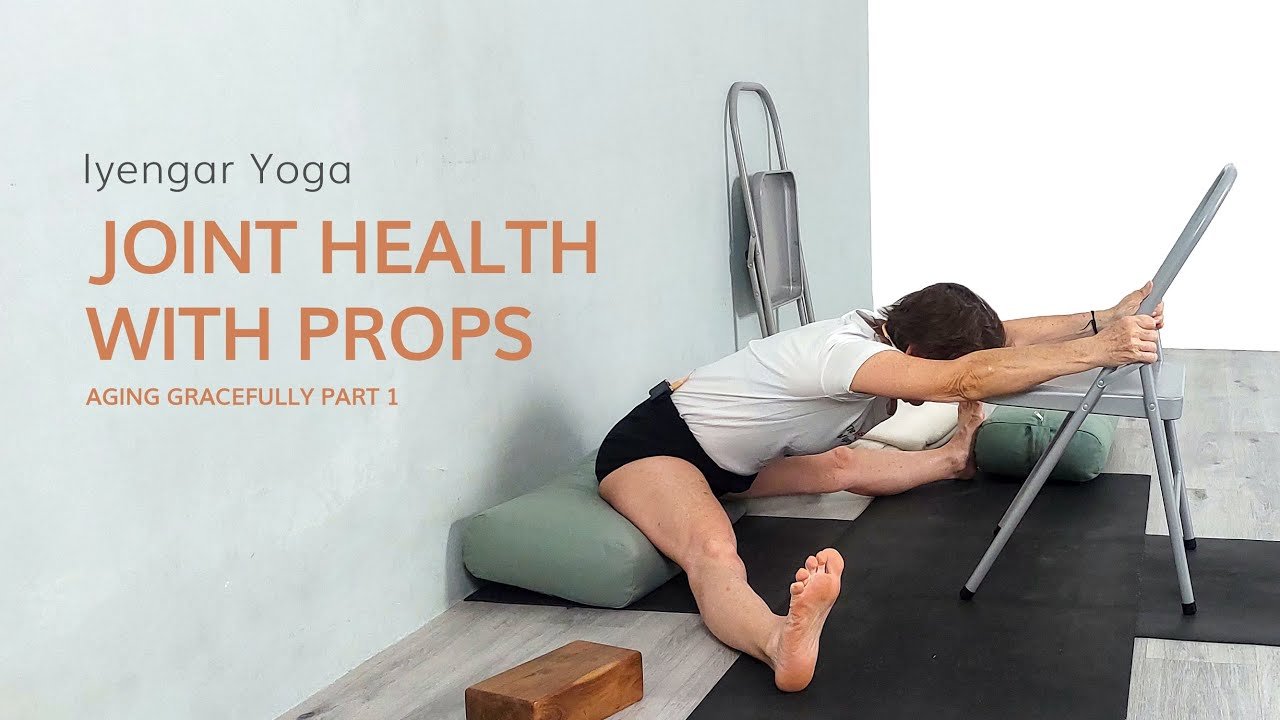
Aging Gracefully: Modify Poses for Knee, Hip & Ankle Support Using Props—Iyengar Yoga
Sequencing and Timing for Deeper Benefits
Iyengar classes aren’t random; poses are sequenced logically to warm up, peak, and cool down the body. You hold each asana longer—sometimes minutes—to build endurance and focus. This timing allows subtle shifts, like releasing hidden tension, turning a session into a meditative experience rather than a workout sprint.
Benefits of Practicing Iyengar Yoga
Diving into Iyengar yoga feels like giving your body a tune-up—sudden aches fade, and energy surges. It’s not just physical; the mental calm sneaks up on you, making stressful days more manageable. From improved posture to better sleep, the perks stack up, backed by studies showing it boosts mood chemicals like GABA.
Physical Health Improvements
Your body gets stronger without the bulk—muscles tone, joints lubricate, and flexibility soars. It’s stellar for back pain; I’ve seen friends ditch chiropractors after consistent practice. Plus, it enhances balance, reducing fall risks as we age, all while being gentle on the knees and hips.
Mental and Emotional Advantages
Stress melts away as you focus on breath and alignment, almost like therapy on a mat. Anxiety dips, concentration sharpens—perfect for busy minds. Emotionally, it builds resilience; holding a tough pose teaches patience, spilling over into daily life with a quieter inner voice.
Therapeutic Applications
Iyengar shines for recovery—props adapt poses for injuries, making it rehab-friendly. It’s helped people with chronic conditions like arthritis or scoliosis find relief. Doctors often recommend it for its precision, turning yoga into a personalized healing tool rather than one-size-fits-all.
Here are some key benefits in bullet form:
- Increased Flexibility: Gradual holds stretch muscles deeply without force.
- Better Posture: Alignment focus corrects slouching habits.
- Stress Reduction: Boosts GABA for calmer moods.
- Pain Relief: Therapeutic for back, neck, and joint issues.
- Enhanced Focus: Builds mental discipline through detailed practice.
Pros and Cons of Iyengar Yoga
Pros:
- Highly accessible with props for all levels.
- Prevents injuries through precise alignment.
- Builds deep body awareness and strength.
- Therapeutic for physical ailments.
- Certified teachers ensure quality instruction.
Cons:
- Slower pace might bore those seeking high-energy flows.
- Requires props, which aren’t always handy at home.
- Classes can feel intense for absolute beginners.
- Less emphasis on cardio compared to vinyasa.
- Teacher training is rigorous, so classes might be pricier.
Iyengar Yoga vs. Other Yoga Styles
Wondering how Iyengar stacks up against the yoga buffet out there? It’s like comparing a fine-dining experience to fast food—detailed and deliberate. While vinyasa flows with breath like a dance, Iyengar pauses to perfect each step, making it ideal for detail-oriented folks.
Comparison with Vinyasa Yoga
Vinyasa is all about movement and sweat, linking poses in sequences synced to breath—great for cardio lovers. Iyengar, though, prioritizes static holds and alignment, building strength without the rush. If vinyasa feels like a river, Iyengar is a deep lake, offering introspection over invigoration.
Differences from Ashtanga Yoga
Ashtanga follows a fixed sequence of challenging poses, demanding athleticism and self-practice. Iyengar adapts to your body with props and variations, making it more forgiving. Both build discipline, but Iyengar emphasizes teaching over independent flow, suiting those needing guidance.
How It Stands Against Hatha Yoga
Hatha is the broad umbrella, focusing on basic poses and breath. Iyengar refines hatha with props and precision, turning simple asanas into profound explorations. It’s like hatha on steroids—more structured, therapeutic, and alignment-focused for deeper results.
Here’s a comparison table:
| Aspect | Iyengar Yoga | Vinyasa Yoga | Ashtanga Yoga | Hatha Yoga |
|---|---|---|---|---|
| Pace | Slow, held poses | Flowing, dynamic | Fast, sequenced | Moderate, balanced |
| Focus | Alignment & props | Breath & movement | Strength & discipline | Basics & breath |
| Props Use | Extensive | Minimal | None typically | Occasional |
| Best For | Injury recovery, precision | Cardio, energy | Advanced practitioners | Beginners, relaxation |
| Intensity | Mental & physical depth | Physical sweat | High endurance | Gentle exploration |
Discovering Iyengar Yoga Centrum Amsterdam
Tucked in Amsterdam’s vibrant center, Iyengar Yoga Centrum Amsterdam is a haven for yogis seeking authentic practice. Founded to spread Iyengar’s teachings in Europe, it offers a welcoming space where precision meets community. Whether you’re a local or visitor, it’s a spot to deepen your practice amid the city’s canals.

Teachers – Iyengar Yoga Centrum Amsterdam
Location and Facilities
Nestled at Achtergracht 138 in Amsterdam’s historic district, the centrum is easy to reach by bike or tram—classic Dutch style. The studio boasts spacious rooms with natural light, equipped with all props needed. It’s clean, serene, and accessible, with nearby cafes for post-class chats.
Class Offerings and Schedules
With over 20 weekly classes, options range from beginner Level 1 to advanced Level 3, plus restorative and 60+ sessions. Some are live-streamed for flexibility. Private lessons cater to personal needs, and workshops dive deeper—check their site for timings, often mornings or evenings to fit busy lives.
Teachers and Community Vibes
Certified Iyengar instructors like Frans Jozef van Nispen tot Pannerden bring years of experience, blending expertise with warmth. The community feels inclusive—I’ve joined drop-ins and felt right at home. Events foster connections, making it more than classes; it’s a supportive network.
For navigational intent, head to Iyengar Yoga Centrum Amsterdam’s official site for directions and bookings. If you’re traveling, it’s near Amsterdam Central Station.
On the transactional side, best tools for Iyengar include quality props like Manduka blocks or Hugger Mugger straps—available at Yoga Matters online.
People Also Ask: Common Questions About Iyengar Yoga
Drawing from real Google searches, here’s what folks often wonder about Iyengar yoga. These address curiosities straight from the SERP.
What Makes Iyengar Yoga Different from Other Styles?
It’s the laser focus on alignment and props that sets it apart—think detailed adjustments over fluid flows. This makes it safer and more therapeutic, ideal for all bodies.
Is Iyengar Yoga Good for Beginners?
Absolutely, with props easing entry and teachers offering modifications. Start slow; you’ll build confidence without overwhelm.
Can Iyengar Yoga Help with Back Pain?
Yes, its alignment emphasis often alleviates chronic issues—many report relief after consistent practice.
How Often Should You Practice Iyengar Yoga?
Aim for 2-3 times weekly to see benefits, but even once builds awareness. Consistency trumps intensity.
What Props Do You Need for Iyengar Yoga at Home?
Basics include a mat, two blocks, a strap, and blankets—affordable sets from Amazon work well.
FAQ: Answering Your Iyengar Yoga Queries
What is Iyengar yoga in simple terms?
It’s a yoga style stressing precise body alignment, using props like blocks to make poses accessible and safe for everyone.
How does Iyengar yoga benefit mental health?
By promoting focus and breath control, it reduces anxiety and boosts mood through increased GABA production.
Where can I find Iyengar yoga classes in Amsterdam?
Try Iyengar Yoga Centrum Amsterdam at Achtergracht 138—book via their site for in-person or online sessions.
Is Iyengar yoga suitable for seniors?
Definitely, with 60+ classes and modifications; it improves balance and flexibility gently.
What should I wear to an Iyengar yoga class?
Comfortable, fitted clothes like leggings and a t-shirt—nothing baggy that hides alignment.
Wrapping up, Iyengar yoga isn’t just a workout; it’s a lifelong companion for body and mind. At places like Iyengar Yoga Centrum Amsterdam, it becomes even more inviting, blending tradition with community. If you’ve been curious, grab a mat and give it a try—you might just find that missing piece of calm in your routine. For more on yoga styles, check our guide to hatha yoga.