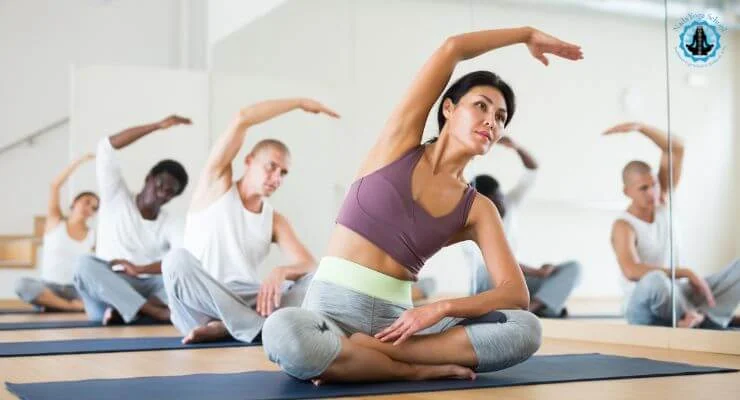
Imagine stepping onto a mat for the first time, feeling a mix of excitement and nerves, as you wonder if you’ll twist yourself into a pretzel or just end up in child’s pose the whole time. That’s how I felt during my initial Hatha yoga class years ago, back when I was dealing with a desk job that left my back aching and my mind racing. Hatha yoga turned out to be the gentle yet powerful practice that helped me find balance, and it’s done the same for countless others. In this article, we’ll dive deep into what Hatha yoga really is, its roots, the incredible benefits it offers for body and mind, and exactly what you can expect when you roll out that mat—whether you’re a complete newbie or looking to deepen your practice.
Understanding Hatha Yoga
Hatha yoga is often seen as the foundational style of yoga in the West, focusing on physical postures, breath control, and meditation to harmonize the body and mind. The word “Hatha” comes from Sanskrit, where “ha” represents the sun and “tha” the moon, symbolizing the balance of opposing energies like strength and flexibility, or activity and rest. Unlike faster-paced styles, Hatha emphasizes holding poses mindfully, making it accessible for beginners while still challenging for seasoned practitioners.
The Core Elements of Hatha Yoga
At its heart, Hatha yoga combines asanas (physical poses), pranayama (breathing exercises), and dhyana (meditation) to prepare the body for deeper spiritual awareness. These elements work together to cleanse energy channels, or nadis, allowing prana (life force) to flow freely. Think of it as a holistic tune-up for your entire system, blending movement with stillness in a way that’s both grounding and invigorating.
How Hatha Differs from Other Yoga Styles
While many modern yoga classes fall under the Hatha umbrella, it stands apart from flow-based styles like Vinyasa by prioritizing alignment over speed. For instance, in Hatha, you might hold a warrior pose for several breaths to build endurance, whereas Vinyasa links poses seamlessly with breath for a more dynamic workout. This slower approach makes Hatha ideal for those seeking stress relief without the intensity of a cardio session.
The Rich History of Hatha Yoga
Hatha yoga traces its origins back to ancient India, emerging around the 15th century in texts like the Hatha Yoga Pradipika, which outlined practices to purify the body for meditation. It evolved from earlier Tantric traditions, shifting focus from purely spiritual pursuits to include physical techniques for health and longevity. Over centuries, sages refined these methods, influencing everything from modern gym yoga to therapeutic applications today.
Ancient Roots and Philosophical Foundations
Drawing from the Yoga Sutras of Patanjali, Hatha emphasizes the eight limbs of yoga, with asanas and pranayama as key steps toward samadhi, or enlightenment. Philosophically, it’s about uniting the individual self with the universal, using the body as a tool to transcend limitations. This timeless wisdom reminds us that yoga isn’t just exercise—it’s a path to inner peace.
Evolution into Modern Practice
In the 20th century, teachers like T. Krishnamacharya brought Hatha to the West, adapting it for contemporary lifestyles while preserving its essence. Today, it’s blended with science-backed insights, appearing in studios worldwide as a remedy for modern woes like burnout. My own journey started with a dusty old book on these traditions, sparking a lifelong passion.
Key Benefits of Hatha Yoga
Practicing Hatha yoga regularly can transform your physical health, building strength in muscles you didn’t know existed while enhancing flexibility to prevent injuries. It also boosts cardiovascular endurance through controlled movements, as studies show improvements in oxygen uptake and heart rate efficiency. On the mental side, it reduces anxiety by promoting mindfulness, helping you navigate daily stresses with more calm and clarity.
Physical Health Advantages
Hatha yoga strengthens core muscles, improves posture, and increases joint mobility, making everyday tasks easier and reducing chronic pain risks. Research indicates it can enhance cardiorespiratory fitness, with participants showing better endurance after just 12 weeks of practice. It’s particularly beneficial for older adults, offering low-impact ways to maintain balance and coordination to ward off falls.
Mental and Emotional Wellness Boosts
Beyond the body, Hatha calms the nervous system, lowering stress hormones and fostering emotional resilience. I’ve found it invaluable during tough times, like when work deadlines piled up— a few sessions left me feeling centered rather than scattered. Studies support this, linking regular practice to reduced depression symptoms and better sleep quality.
Long-Term Health Impacts
Over time, Hatha yoga may support immune function and even aid in managing conditions like hypertension or arthritis. Its emphasis on breathwork can improve lung capacity, while the meditative aspects promote better self-awareness for healthier lifestyle choices. Consistent practitioners often report sustained energy levels and a greater sense of overall vitality.
Here’s a quick pros and cons list for Hatha yoga to weigh its fit for you:
Pros:
- Beginner-friendly with modifiable poses.
- Enhances flexibility and strength without high impact.
- Promotes mental clarity and stress reduction.
- Adaptable for all ages and fitness levels.
- Requires minimal equipment—just a mat and comfortable clothes.
Cons:
- Slower pace might feel boring for those craving intense workouts.
- Potential for strain if poses aren’t aligned properly without guidance.
- Classes can vary in style depending on the instructor.
- May not provide enough cardio for advanced athletes.
- Requires consistency to see significant changes.
Scientific Backing for Hatha Yoga Benefits
Evidence from controlled trials shows Hatha yoga improves muscular endurance and flexibility, with one study noting a 13-188% increase in various ranges of motion after eight weeks. It also enhances cardiorespiratory health, making it a viable option for those avoiding high-intensity exercise. These findings underscore its role in preventive health, blending ancient wisdom with modern science.
Studies on Physical Improvements
Research highlights Hatha’s ability to boost VO2 max by 6-7%, indicating better aerobic capacity. For older adults, it provides moderate intensity training that supports joint health without overload. Such data makes it a smart choice for building sustainable fitness habits.
Evidence for Mental Health Gains
Trials reveal Hatha reduces stress and anxiety, though it may not directly impact cognitive suppression tasks. Participants often experience better mood and sleep, attributing it to the practice’s mindful focus. This emotional uplift can be life-changing, as it was for me during a period of personal upheaval.
What to Expect in a Hatha Yoga Class
A typical Hatha class lasts 45-90 minutes, starting with gentle warm-ups and breathwork to center your mind before moving into poses. Expect a mix of standing, seated, and restorative postures, held for 5-10 breaths each, with emphasis on proper form. Classes end with relaxation in savasana, leaving you refreshed and grounded.
Class Structure and Flow
Sessions often begin with pranayama to regulate breath, followed by sun salutations for warmth, then a sequence of asanas targeting different body areas. Instructors guide adjustments for safety, and the pace allows time to explore each pose deeply. It’s less about perfection and more about personal progress.
Common Poses You’ll Encounter
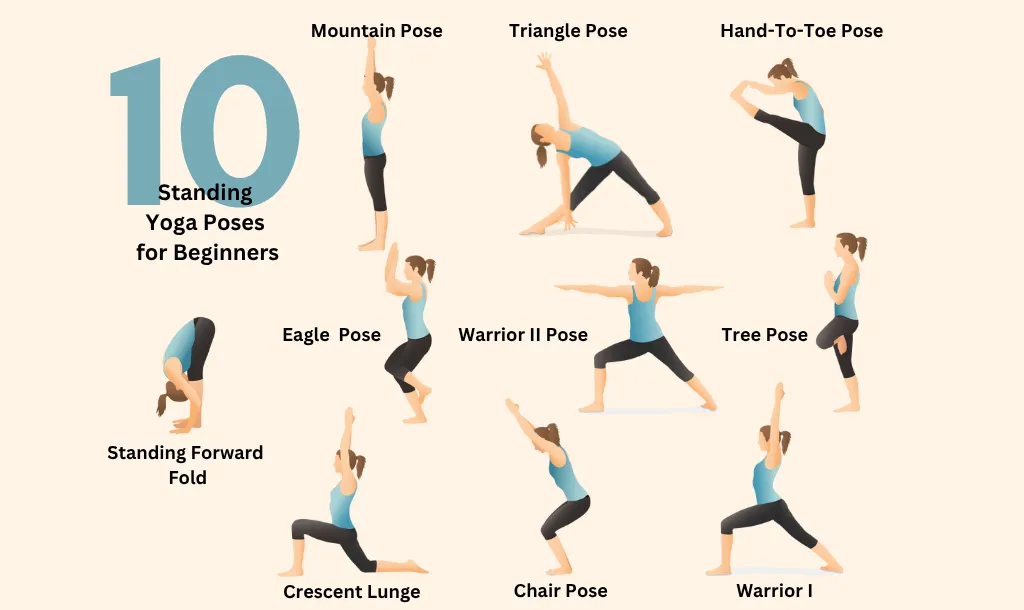
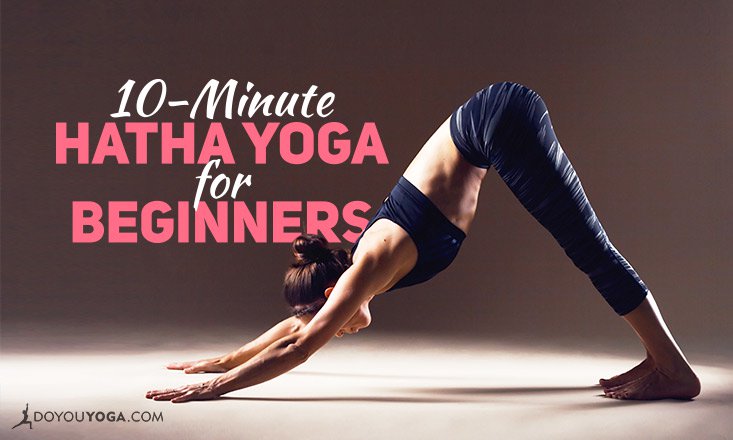
Beginners might start with mountain pose for alignment, downward dog for stretches, and child’s pose for rest. These build a strong foundation, as seen in sequences designed for newcomers. Visualizing them helps—here’s an example of beginner-friendly poses to try.
Tips for Your First Session
Wear comfortable, breathable clothes and bring a mat if possible—many studios provide them. Arrive early to chat with the instructor about any concerns, like injuries. Stay hydrated, listen to your body, and don’t push beyond comfort; yoga is about harmony, not competition.
Hatha Yoga vs. Other Styles: A Comparison
To help choose the right fit, let’s compare Hatha with popular alternatives in a table:
| Aspect | Hatha Yoga | Vinyasa Yoga | Iyengar Yoga | Bikram Yoga |
|---|---|---|---|---|
| Pace | Slow, deliberate | Fast, flowing | Slow, precise | Structured, heated |
| Focus | Balance, alignment | Breath-synchronized movement | Props for accuracy | 26 poses in hot room |
| Intensity | Low to moderate | Moderate to high | Low, therapeutic | High, sweaty |
| Best For | Beginners, stress relief | Cardio enthusiasts | Injury recovery | Detox and endurance |
| Class Length | 45-90 minutes | 60-75 minutes | 60-90 minutes | 90 minutes |
This comparison shows Hatha’s versatility, especially for those easing into yoga. If you’re after a gentle intro, Hatha wins for its forgiving nature.
Hatha vs. Vinyasa: Key Differences
Hatha holds poses longer to build strength, while Vinyasa flows quickly for a workout feel. Both stem from Hatha roots, but Vinyasa adds rhythm. I switched to Vinyasa after mastering Hatha basics, finding it a natural progression.
When to Choose Hatha Over Others
Opt for Hatha if you’re new, recovering from injury, or seeking mental calm. It’s less intimidating than heated styles like Bikram, which can overwhelm with intensity. For me, Hatha’s patience taught me to appreciate subtlety in movement.
Getting Started with Hatha Yoga at Home
Starting at home is simple—find a quiet space, grab a mat, and follow online tutorials from sites like Yoga Journal. Begin with 20-minute sessions, focusing on basic poses like cat-cow for spine mobility. Apps like Down Dog offer guided classes tailored to your level.
Essential Gear for Beginners
You’ll need a non-slip yoga mat for stability, blocks for support in poses, and a strap for deeper stretches. Comfortable attire is key; avoid anything restrictive. Budget options abound on Amazon, making it easy to start without breaking the bank.
Building a Home Practice Routine
Aim for 3-4 sessions weekly, mixing poses with breathwork. Track progress in a journal to stay motivated. I began with sunrise routines, which set a positive tone for my day and built discipline over time.
Finding Hatha Yoga Classes Near You
Local studios often offer beginner Hatha classes; search for “yoga studios near me” on Google Maps for options. Community centers or gyms like YMCA provide affordable sessions. For online alternatives, platforms like Glo or Yoga International stream live classes.
Top Studios and Online Platforms
Renowned spots include YogaWorks for in-person immersion, or Alo Moves for virtual access. Check reviews on Yelp for quality instructors. In my area, a small studio became my go-to for its welcoming vibe.
How to Choose the Right Instructor
Look for certified teachers with RYT credentials from Yoga Alliance. Attend a trial class to gauge their style—empathetic guidance makes all the difference. Personal connection matters; find someone who makes you laugh mid-pose.
People Also Ask: Common Questions About Hatha Yoga
Drawing from real Google searches, here are answers to frequent queries:
- What is Hatha yoga good for? It’s excellent for building strength, flexibility, and reducing stress, with benefits backed by studies on physical fitness.
- Is Hatha yoga for beginners? Absolutely—its slow pace allows time to learn proper form without overwhelm.
- Can Hatha yoga help with weight loss? While not primarily cardio, it builds muscle and mindfulness, aiding sustainable weight management when combined with diet.
- What’s the difference between Hatha and regular yoga? Hatha is a broad category encompassing physical practices; “regular yoga” often means Hatha-derived styles.
- How often should I practice Hatha yoga? Start with 2-3 times weekly for noticeable improvements in mood and mobility.
Best Tools and Resources for Hatha Yoga
For transactional needs, consider the Manduka PRO mat for durability—it’s eco-friendly and grippy. Books like “Light on Yoga” by B.K.S. Iyengar offer in-depth guidance. Apps such as Insight Timer provide free meditations to complement your practice.
Recommended Mats and Props
- Best Budget Mat: Gaiam Essentials—affordable and cushioned.
- Premium Option: Liforme—aligns with markings for better pose accuracy.
- Props Kit: YogaAccessories set with blocks, strap, and blanket for support.
Online Courses and Books
Enroll in Yoga International’s beginner series for structured learning. “The Yoga Bible” by Christina Brown is a visual gem for pose references. These resources helped me refine my technique at home.
Integrating Hatha Yoga into Daily Life
Make Hatha a habit by incorporating short sequences into mornings or evenings. Pair it with walking for balanced fitness. Over time, you’ll notice subtle shifts, like better patience in traffic—humorously, it turned my road rage into deep breaths.
Combining with Other Exercises
Blend Hatha with strength training for comprehensive health; poses like plank enhance weightlifting form. For cardio lovers, alternate with runs to recover muscles. This hybrid approach kept my routine fresh and effective.
Overcoming Common Challenges
If boredom strikes, vary sequences or add music. Injuries? Modify with props and consult pros. Consistency beats perfection— even 10 minutes counts toward progress.
FAQ: Your Hatha Yoga Questions Answered
Q1: Is Hatha yoga suitable for all ages? Yes, it’s adaptable; seniors benefit from gentle modifications for joint health, while kids enjoy playful poses.
Q2: How does Hatha yoga improve sleep? Through relaxation techniques, it lowers cortisol, promoting deeper rest—studies show quicker sleep onset.
Q3: Can I practice Hatha yoga if I have back pain? Absolutely, with guidance; poses like forward bends can alleviate tension, but start slow and consult a doctor.
Q4: What’s the best time to do Hatha yoga? Mornings energize, evenings unwind—choose based on your schedule for consistency.
Q5: Does Hatha yoga require flexibility to start? No, it builds flexibility over time; beginners use props to ease into poses comfortably.
In wrapping up, Hatha yoga isn’t just a workout—it’s a journey toward balance that enriches life in unexpected ways. Whether you’re drawn by the physical perks or the mental serenity, stepping into this practice could be the best decision you make. Remember my awkward first class? It led to years of joy on the mat. Give it a try, and see where it takes you. For more on yoga styles, check out resources like the Yoga Alliance website (external link: https://www.yogaalliance.org). Or explore internal links to related articles on beginner poses. Stay bendy, friends!