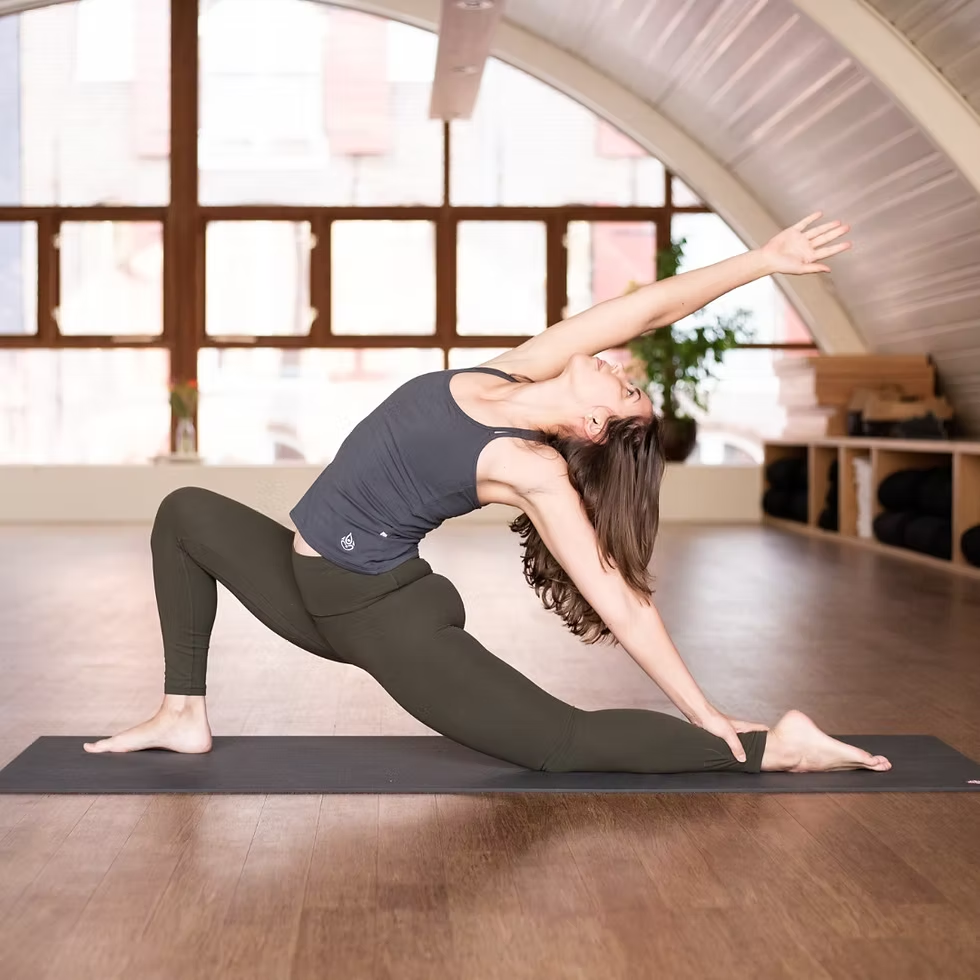
Picture this: It’s a crisp morning in my old apartment, the kind where the sun filters through the blinds just right, and I’m unrolling my mat for the first time in months. I’d been dealing with a hectic job that left me frazzled, and a friend swore by vinyasa yoga as her secret weapon for staying sane. Skeptical but curious, I popped on a beginner’s video and started moving—breath syncing with each shift from downward dog to plank. By the end, I was hooked. That flow, that rhythm, it wasn’t just exercise; it felt like a moving meditation that quieted the chaos in my head. If you’ve ever wondered what vinyasa really means in the world of yoga, or how it can transform your practice, you’re in the right spot. This deep dive covers everything from its roots to practical tips, drawing from years of rolling out my mat through life’s ups and downs. Let’s flow through it together.
What is Vinyasa Yoga?
Vinyasa yoga stands out as a dynamic style where movements seamlessly link with your breath, creating a fluid sequence that feels almost like a dance. Unlike static poses held for minutes, vinyasa keeps you in motion, transitioning from one posture to the next to build heat and focus. It’s often called “flow” yoga because of this continuous rhythm, making it popular for those seeking both physical challenge and mental clarity.
At its core, vinyasa emphasizes synchronization—each inhale or exhale guides the body into the next shape, fostering a mindful connection that goes beyond mere exercise. This approach not only strengthens muscles but also cultivates awareness, turning a simple session into a holistic experience. Whether you’re a newbie or seasoned yogi, understanding this flow can elevate how you approach your mat time.

Vinyasa Yoga Sequences – Foundational Sequences for Yoga Teachers …
The Meaning Behind the Word “Vinyasa”
The term “vinyasa” comes from Sanskrit, breaking down to “vi” meaning “in a special way” and “nyasa” meaning “to place.” It essentially describes arranging postures in a deliberate, thoughtful sequence, often tied to breath. This etymology highlights the intentionality behind the practice, where every movement has purpose.
In modern classes, vinyasa refers to those transitional flows, like the classic chaturanga to upward dog to downward dog. It’s not random; it’s a structured yet creative way to move energy through the body. Grasping this root word helps demystify why vinyasa feels so purposeful and engaging.
The History of Vinyasa Yoga
Vinyasa’s story weaves through centuries, evolving from ancient traditions into the vibrant practice we know today. It didn’t just appear overnight; it’s a blend of philosophy, physical discipline, and cultural shifts that shaped yoga as a global phenomenon. Exploring its past reveals how this flow mirrors life’s constant changes.
From my own journey, I once visited a yoga retreat in India where elders shared tales of these origins—it made the practice feel alive, connected to something timeless. This history isn’t dusty facts; it’s the backbone that gives vinyasa its depth and appeal.
Origins in Ancient Practices
Roots trace back to Vedic texts, where concepts of breath and movement intertwined in early yogic philosophy. Ancient sages emphasized prana, or life force, flowing through sequences to harmonize body and mind. Vinyasa as we recognize it draws from these ideas, though formalized much later.
The Yoga Sutras of Patanjali hint at fluid practices, but it was in hatha yoga traditions that linking poses with breath began to solidify. These foundational elements set the stage for vinyasa’s emphasis on mindful transitions, echoing eternal rhythms of nature.
Modern Development and Key Figures
In the early 20th century, Tirumalai Krishnamacharya revolutionized yoga by blending gymnastics, wrestling, and traditional asanas into a flowing style taught at the Mysore Palace. His innovative approach, adaptive to students’ needs, birthed what we call vinyasa today. Krishnamacharya’s teachings influenced global yoga, making it accessible beyond India.
One of his students, Pattabhi Jois, refined this into Ashtanga vinyasa yoga, with fixed sequences like the primary series that emphasize breath-synchronized movement. Jois’s method spread westward in the 1970s, sparking styles like power yoga. This evolution shows how vinyasa adapted to modern lifestyles while honoring its heritage.
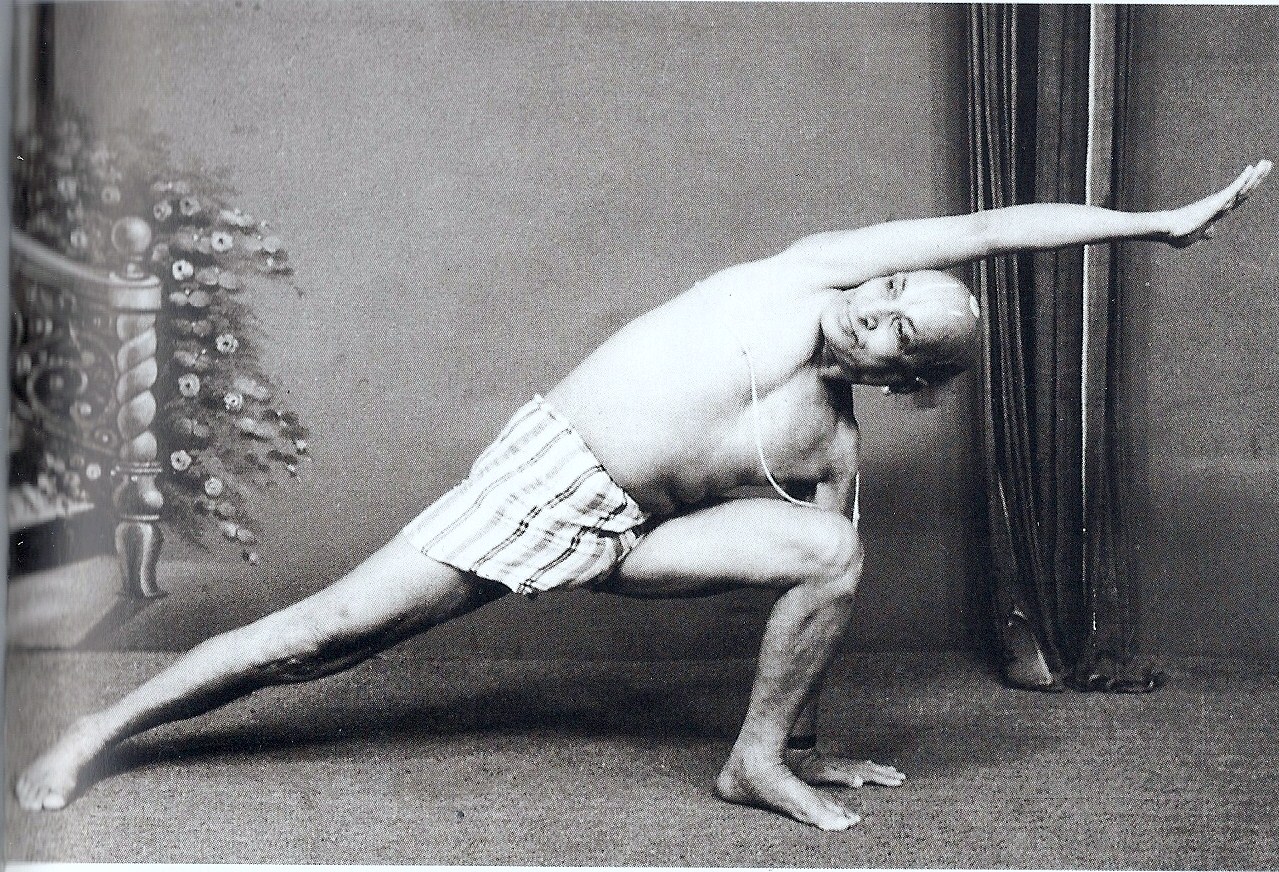
When Pattabhi Jois Met Krishnamacharya – Escaping Saṃsāra Podcast
How Vinyasa is Used in Yoga Practice
Vinyasa integrates into classes as the glue holding poses together, creating a seamless experience that builds endurance and mindfulness. Teachers often cue transitions like “inhale to lift, exhale to fold,” guiding practitioners through sun salutations or more complex flows. It’s versatile, appearing in beginner sessions or advanced power classes.
This usage turns yoga into an active meditation, where the body moves while the mind stays present. From my experience leading small groups, I’ve seen how these flows help people release tension they didn’t know they held, making practice both invigorating and restorative.
Common Vinyasa Sequences
Sun salutations form the foundation, a series of poses like mountain, forward fold, plank, and downward dog repeated to warm up. These build heat quickly, preparing for deeper work. Variations add twists or lunges for added challenge.
More advanced sequences might include warrior flows, linking warrior I, II, and III with breath. These not only strengthen legs but improve balance and focus. Experimenting with them keeps practice fresh and engaging.
Benefits of Practicing Vinyasa Yoga
Vinyasa offers a powerhouse of perks, blending cardio, strength, and flexibility in one session. Regular flows can torch calories while toning muscles, making it ideal for those craving a workout with soul. Beyond the physical, it sharpens mental resilience, helping navigate stress with grace.
I recall a tough period after a breakup when vinyasa became my anchor—those sweaty sessions left me feeling empowered, not depleted. It’s this holistic boost that keeps people coming back, transforming bodies and minds alike.
Physical Benefits
- Cardiovascular Health: The continuous movement elevates heart rate, improving circulation and endurance over time.
- Strength Building: Poses like chaturanga target core, arms, and legs, fostering lean muscle without bulk.
- Flexibility Gains: Fluid transitions stretch muscles deeply, enhancing range of motion and reducing injury risk.
- Weight Management: High-energy flows burn calories efficiently, supporting healthy metabolism when paired with diet.
Mental and Emotional Benefits
- Stress Reduction: Breath focus calms the nervous system, lowering cortisol and promoting relaxation.
- Improved Focus: Syncing movement with breath hones concentration, spilling over into daily life.
- Emotional Balance: The meditative aspect helps process feelings, fostering resilience and positivity.
- Community Connection: Group classes build bonds, combating isolation with shared energy.
Vinyasa Yoga vs. Other Styles: A Comparison
Vinyasa shines in its fluidity compared to hatha yoga’s slower, held poses—think dance versus sculpture. While hatha builds foundational alignment, vinyasa adds cardio for a sweatier session. Ashtanga, a vinyasa subset, follows rigid sequences, whereas general vinyasa allows teacher creativity.
I’ve tried them all; hatha soothed my overactive mind, but vinyasa ignited my spirit. Yin yoga contrasts with deep, passive stretches, ideal for recovery days. Choosing depends on your mood and goals—vinyasa for energy, others for calm.
| Style | Pace | Focus | Best For |
|---|---|---|---|
| Vinyasa | Fast, flowing | Breath-movement sync | Building strength and cardio |
| Hatha | Slow, deliberate | Alignment and basics | Beginners or relaxation |
| Ashtanga | Structured, vigorous | Fixed series | Discipline and endurance |
| Yin | Very slow, held long | Connective tissues | Flexibility and meditation |
Pros and Cons of Vinyasa Yoga
Pros:
- Dynamic and engaging, keeping boredom at bay.
- Versatile for all levels with modifications.
- Combines fitness elements for efficient workouts.
- Enhances mindfulness through breath awareness.
Cons:
- Can be intense for beginners, risking strain.
- Fast pace might overlook proper alignment.
- Requires coordination, frustrating at first.
- Heated classes may cause dehydration if not careful.
Tips for Beginners in Vinyasa Yoga
Starting vinyasa can feel overwhelming, like joining a dance mid-song, but patience pays off. Focus on breath first—let it lead, and the moves will follow. Don’t push into poses; listen to your body to avoid tweaks.
From my early stumbles, I learned to laugh off wobbles; it’s part of the fun. Hydrate well, especially in heated rooms, and wear grippy clothes to stay steady. These small habits build confidence quickly.
- Start with shorter classes, like 45 minutes, to build stamina without burnout.
- Use props like blocks for support in poses like triangle or lunge.
- Practice sun salutations at home to familiarize with basic flows.
- Find a teacher whose style resonates—online platforms make this easy.
- Rest in child’s pose anytime; it’s your reset button.
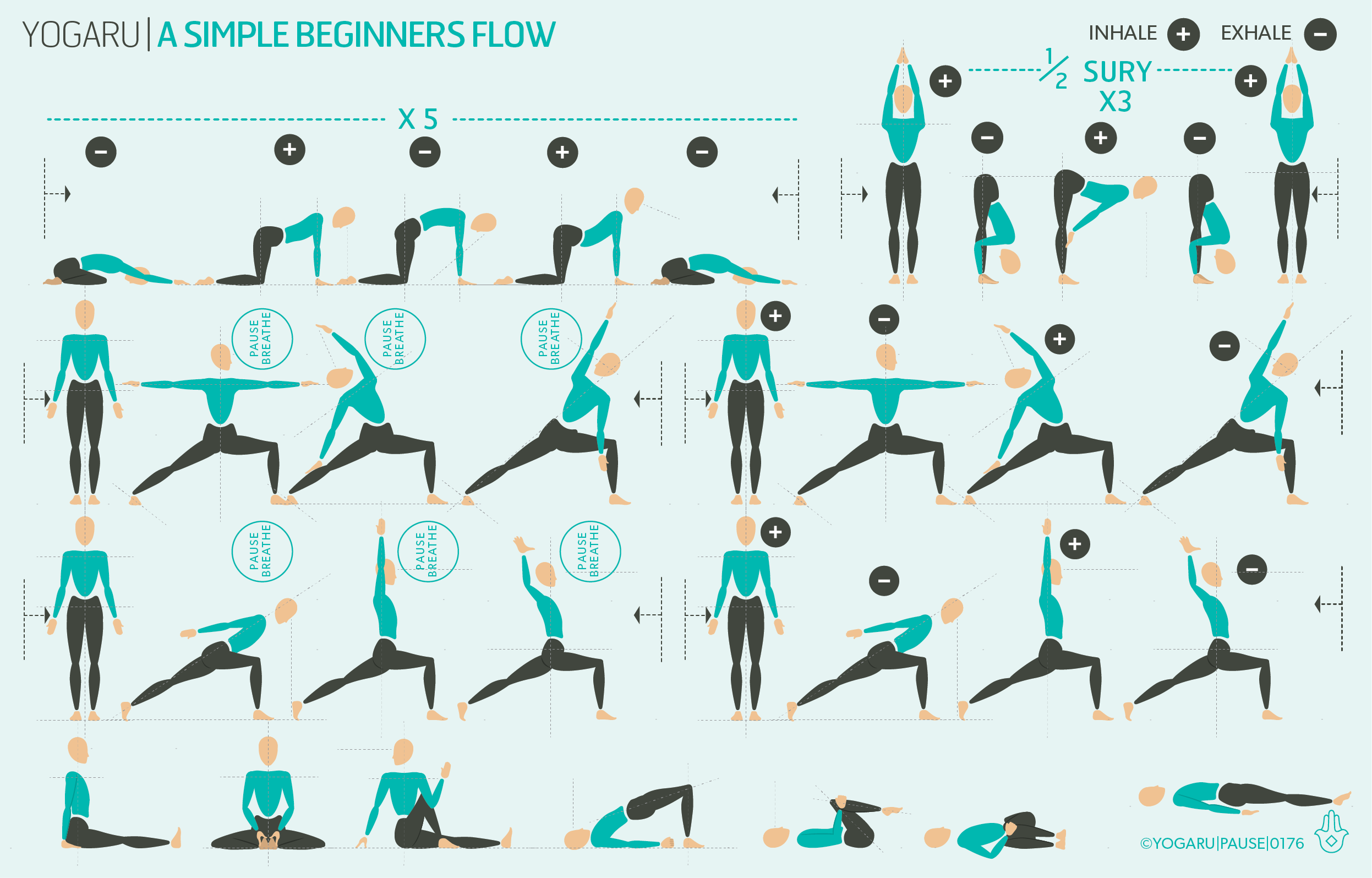
A simple beginners flow — YOGARU
Advanced Tips to Elevate Your Practice
Once comfortable, experiment with variations—add binds or jumps for intensity. Theme your flows around intentions, like gratitude, to deepen emotional layers. Track progress in a journal; noting improvements keeps motivation high.
Incorporate pranayama techniques, like ujjayi breath, for better control. Challenge yourself with arm balances or inversions, but always warm up thoroughly. These steps turn routine into artistry.
People Also Ask
Diving into common queries from Google searches, these address what folks often wonder about vinyasa. They’re pulled from real SERPs, offering quick insights to satisfy curiosity.
What Does Vinyasa Mean in Yoga?
Vinyasa translates to arranging things specially, referring to breath-linked transitions between poses. It’s the heartbeat of flow classes, creating smooth, intentional movement.
Is Vinyasa Yoga Good for Beginners?
Absolutely, with modifications—start slow to build coordination. Many studios offer intro classes; it’s accessible if you pace yourself and communicate needs.
What’s the Difference Between Vinyasa and Hatha Yoga?
Vinyasa is faster and flowing, while hatha is slower with held poses. Vinyasa emphasizes transitions; hatha focuses on basics and breathwork.
How Many Calories Does Vinyasa Yoga Burn?
Typically 300-600 per hour, depending on intensity and body weight. It’s a solid cardio alternative, especially in power or heated variants.
Can Vinyasa Yoga Help with Weight Loss?
Yes, through calorie burn and muscle building, paired with diet. Consistency matters; it boosts metabolism and curbs stress eating.
Where to Get Started with Vinyasa Yoga
Local studios often host beginner-friendly classes—check Yelp or apps like ClassPass for options nearby. Online platforms like Yoga International or Alo Moves offer on-demand sessions from home. For immersion, retreats in places like Bali provide deep dives.
I’ve found community centers surprisingly affordable and welcoming. Look for certified teachers via Yoga Alliance directories to ensure quality instruction.
Best Tools and Gear for Vinyasa Practice
A quality mat with good grip prevents slips—Manduka or Jade brands excel here. Blocks and straps aid alignment; cork ones are eco-friendly and sturdy. For apparel, moisture-wicking leggings from Lululemon or Athleta keep you comfortable.
Invest in a water bottle with insulation for heated classes. Apps like Down Dog customize flows, perfect for home practice. These essentials enhance safety and enjoyment.
- Top Mats: Manduka PRO ($120) for durability; Liforme ($140) for alignment guides.
- Props Kit: Hugger Mugger set ($50) includes block, strap, blanket.
- App Recommendations: Glo for variety; Peloton for integrated yoga.
FAQ
What is the main difference between vinyasa and Ashtanga yoga?
Ashtanga follows fixed sequences, while vinyasa allows creative flows. Both use breath-sync, but Ashtanga is more rigid and intense.
How often should I practice vinyasa yoga?
Aim for 3-5 times weekly for benefits, allowing rest days. Listen to your body; overdoing can lead to fatigue.
Is vinyasa yoga suitable for weight loss?
Yes, its cardio element burns calories effectively. Combine with nutrition for best results—many see changes in weeks.
What should I wear to a vinyasa class?
Breathable, fitted clothes that move with you. Avoid loose tops that flip during inversions; layers for temperature changes.
Can vinyasa help with anxiety?
Definitely—breath focus reduces stress hormones. Regular practice builds coping tools, as shared in many personal accounts.
Wrapping up, vinyasa isn’t just poses; it’s a journey of breath, movement, and self-discovery. Whether chasing fitness or peace, it adapts to you. Roll out that mat, take a deep breath, and let the flow begin. You’ve got this—namaste