Imagine stepping onto your mat for the first time, heart pounding a bit, unsure if you’re about to twist yourself into a human knot or find some inner peace. That’s exactly how I felt during my initial brush with Ashtanga yoga back in my early twenties. I’d wandered into a small studio in Seattle, drawn by a friend’s rave reviews, only to spend the next hour sweating profusely while trying to sync my breath with poses that seemed designed for contortionists. Fast forward a decade, and the Primary Series has become my go-to ritual for grounding amidst life’s chaos. If you’re a beginner eyeing this dynamic practice, you’re in for a transformative ride—one that builds strength, flexibility, and a quiet confidence you didn’t know you needed. This guide walks you through it all, from the basics to advanced tips, drawing on real experiences and expert insights to help you start strong.
What is Ashtanga Yoga?
Ashtanga yoga isn’t just another flow class; it’s a structured system rooted in ancient traditions, popularized by Sri K. Pattabhi Jois in the 20th century. At its core, it’s a vinyasa-style practice where breath and movement sync up in a fixed sequence, emphasizing internal heat to detoxify the body. The Primary Series, or Yoga Chikitsa (yoga therapy), is the foundation, designed to purify muscles and organs while aligning your posture.
Think of it as a moving meditation that demands discipline but rewards with profound changes. Unlike gentler styles, Ashtanga pushes you to practice six days a week, traditionally in a Mysore-style class where you move at your own pace under a teacher’s watchful eye. It’s intense, yes, but that’s where the magic happens—building resilience both on and off the mat.
The Origins and Philosophy Behind the Primary Series
The Primary Series traces back to the teachings of T. Krishnamacharya, Jois’s mentor, who drew from ancient texts like the Yoga Korunta. It’s built on the eight limbs of yoga from Patanjali’s Yoga Sutras, where asana (postures) is just one piece—pranayama (breath control), drishti (gaze), and bandhas (energy locks) are equally vital. This series focuses on forward bends to open the hamstrings and hips, fostering humility and introspection.
Philosophy-wise, it’s about consistency over perfection. Jois often said, “Practice and all is coming,” a mantra that kept me going through those early wobbly days. It’s not about nailing every pose on day one; it’s a lifelong journey toward self-awareness.
Why Beginners Should Start with the Primary Series
For newcomers, the Primary Series acts like a reset button for the body and mind. It systematically builds strength and flexibility, starting simple and ramping up, which helps prevent overwhelm. Plus, the repetitive nature ingrains proper alignment, reducing injury risk over time.
I recall a student in my class who started stiff as a board but, after three months, moved with ease—proof that patience pays off. It’s accessible with modifications, making it ideal for building a sustainable habit.
Benefits of Practicing the Ashtanga Primary Series
Physical Benefits: Strength, Flexibility, and Detoxification
The series targets every muscle group, boosting core strength and endurance through dynamic flows. Forward bends stretch the back body, improving posture, while twists aid digestion by massaging internal organs. The internal heat from ujjayi breath promotes sweating, which flushes toxins for clearer skin and better energy levels.
In my experience, after consistent practice, my chronic back pain from desk work vanished. It’s like giving your body a daily tune-up.
Mental and Emotional Benefits: Focus and Stress Relief
Mentally, syncing breath with movement sharpens concentration, quieting the monkey mind. The discipline fosters resilience, helping you push through discomfort—translating to real-life stress management. Emotionally, it releases stored tension, often leading to a sense of calm post-practice.
One humorous side effect? You’ll laugh at how your worries seem smaller after folding into Paschimottanasana. It’s therapy on a mat.
Long-Term Health Advantages
Over time, regular practice lowers blood pressure, enhances cardiovascular health, and even supports weight management by revving metabolism. Studies link it to improved sleep and reduced anxiety, making it a holistic wellness tool.
Pros of Ashtanga Primary Series:
- Builds full-body strength without weights
- Enhances flexibility progressively
- Promotes detoxification through sweat
Cons:
- Can be physically demanding, risking burnout
- Requires time commitment (60-90 minutes per session)
- Not ideal for those with acute injuries without modifications
Potential Risks and How to Avoid Them
While rewarding, Ashtanga can strain joints if rushed. Common issues include hamstring pulls or wrist fatigue from improper alignment. Beginners often overdo it, leading to soreness or worse.
To mitigate, always warm up thoroughly and listen to your body—pain is a signal, not a badge. Work with a certified teacher to learn safe modifications.
Preparing for Your First Practice
Essential Gear and Setup
You’ll need a non-slip mat, comfortable clothes that allow movement, and perhaps a towel for sweat. Props like blocks or straps help with modifications. Set up in a quiet space with good ventilation.
I started with a basic mat from a local store—nothing fancy, but it got the job done. For recommendations, check out the best yoga mats for beginners on sites like Yoga Journal.
Finding a Teacher or Online Resources
A qualified instructor is gold for proper guidance. Look for Mysore-style classes at studios affiliated with the Ashtanga Yoga Institute. Online, platforms like Omstars offer beginner series with detailed breakdowns.
If you’re self-teaching, start with free YouTube tutorials from teachers like David Swenson, but transition to in-person soon for adjustments.
Building a Consistent Routine
Aim for 3-4 sessions weekly at first, gradually building to daily. Practice in the morning when energy is high, and keep a journal to track progress—it’s motivating to see improvements.
Remember my early struggles? Consistency turned fumbling into flow. Stick with it, and it’ll stick with you.
The Full Sequence: Step-by-Step Breakdown
The Primary Series lasts 60-90 minutes, divided into sun salutations, standing, seated, and finishing poses. Each links via vinyasa (flow), with five breaths per pose unless noted.
Sun Salutations: Surya Namaskar A and B
Start with five rounds of Surya Namaskar A: Inhale arms up, exhale forward fold, inhale halfway lift, exhale chaturanga, inhale upward dog, exhale downward dog—repeat.
Surya Namaskar B adds warrior poses for extra leg strength. These warm the body, syncing breath and movement right away.
Standing Poses: Foundation Building
Begin with Padangusthasana (big toe pose) to stretch hamstrings. Follow with Trikonasana (triangle) for side body opening. These ground you, improving balance.
Parsvottanasana (intense side stretch) targets the back legs deeply. Use blocks if needed—it’s about alignment, not depth.
Seated Poses: Forward Bends and Twists
Paschimottanasana (seated forward bend) is a staple, calming the mind while stretching the spine. Janu Sirsasana (head-to-knee) adds a twist for digestion.
Marichyasana series (A-D) builds core engagement. Modify by bending knees; force nothing.
Backbends and Inversions: Energizing Finish
Urdhva Dhanurasana (wheel) opens the chest—start with bridge if full backbend feels intimidating. It counters forward bends beautifully.
Finishing includes shoulderstand, headstand prep, and lotus for restoration. End in Savasana for integration.
Modifications for Beginners
Every pose has beginner-friendly tweaks. In forward folds, bend knees to protect hamstrings. Use straps in binds if shoulders are tight.
I used props shamelessly at first—it sped up my progress without ego bruises. Teachers often say, “Meet your body where it is.”
Common Mistakes and Corrections
Breath and Bandha Oversights
Forgetting ujjayi breath disrupts flow. Engage bandhas (mula and uddiyana) for stability—think subtle core lock.
Practice bandhas seated first; it’ll transform your vinyasa.
Alignment Errors in Key Poses
In downward dog, heels don’t need to touch—focus on straight spine. In warriors, align knees over ankles to avoid strain.
A mirror helped me spot these early on—small fixes, big difference.
Pacing and Overexertion
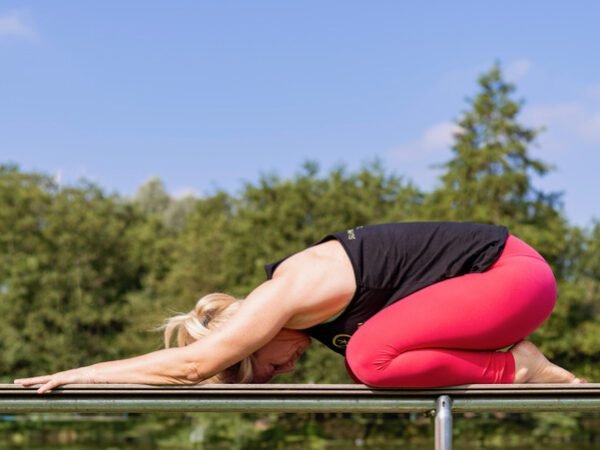
Rushing leads to sloppy form. Pace with breath; rest in child’s pose if needed.
Humor alert: If you’re gasping like a fish, slow down—yoga’s not a sprint.
Integrating Breath, Drishti, and Bandhas
Ujjayi breath (ocean sound) fuels the practice. Drishti focuses gaze, calming mind. Bandhas lock energy, preventing leaks.
Together, they turn physical effort into meditation. My “aha” moment came when breath steadied my wobbles.
Progressing in Your Practice
Track milestones like holding poses longer or needing fewer mods. After 3-6 months, you might add intermediate elements.
Don’t rush—proficiency in Primary sets the stage for more.
Comparing Ashtanga to Other Yoga Styles
| Aspect | Ashtanga Primary Series | Hatha Yoga | Vinyasa Flow |
|---|---|---|---|
| Structure | Fixed sequence, daily practice | Slower, varied poses | Creative flows, music often |
| Intensity | High, athletic | Gentle, beginner-friendly | Moderate, customizable |
| Focus | Discipline, purification | Balance, relaxation | Creativity, cardio |
| Duration | 60-90 mins | 45-75 mins | 45-60 mins |
Ashtanga suits those craving routine; Hatha for mellow starts.
People Also Ask: Real Questions from Google
How long does it take to complete the Ashtanga Primary Series?
Typically 60-90 minutes, depending on pace and experience. Beginners might take longer with modifications.
What are the benefits of the Ashtanga Primary Series?
It builds strength, flexibility, detoxifies, and sharpens mental focus—ideal for overall wellness.
When should I move on from the Primary Series?
Once proficient (usually 1-3 years), with teacher approval, to avoid injury.
Is Ashtanga yoga suitable for beginners?
Yes, with guidance and mods—start slow to build safely.
How often should I practice the Primary Series?
3-6 days weekly for optimal results, resting on moon days or Saturdays traditionally.
Where to Practice: Studios and Online Platforms
Seek certified studios via the official Ashtanga site (ashtanga.com). In the US, places like Miami Life Center shine.
Online, Alo Moves or Ekhart Yoga offer guided classes—great for home practice.
Best Tools and Resources for Beginners
Invest in books like “Yoga Mala” by Pattabhi Jois for depth. Apps like Ashtanga Yoga App track sequences.
For props, Manduka mats excel—durable for sweaty sessions. Check Amazon for beginner bundles.
FAQ
What is the Ashtanga Primary Series sequence?
It includes sun salutations, standing poses like Trikonasana, seated forwards like Paschimottanasana, backbends, and inversions—always in order.
How do I start Ashtanga yoga as a complete beginner?
Find a teacher, learn sun salutations first, use modifications, and practice consistently 3-4 times weekly.
What are common beginner mistakes in Ashtanga?
Ignoring breath, forcing poses, or skipping warm-ups—focus on form over flexibility.
Can Ashtanga help with weight loss?
Yes, its cardio element burns calories, but pair with diet for best results.
Is Ashtanga safe for people with injuries?
With modifications and doctor approval, yes—avoid if acute; consult pros.
In wrapping up, unlocking the Ashtanga Primary Series isn’t about perfection—it’s about showing up, breathing through challenges, and emerging stronger. Like that first class I stumbled through, each practice peels back layers, revealing a more centered you. Dive in, stay curious, and let the series work its therapy. You’ve got this—namaste.