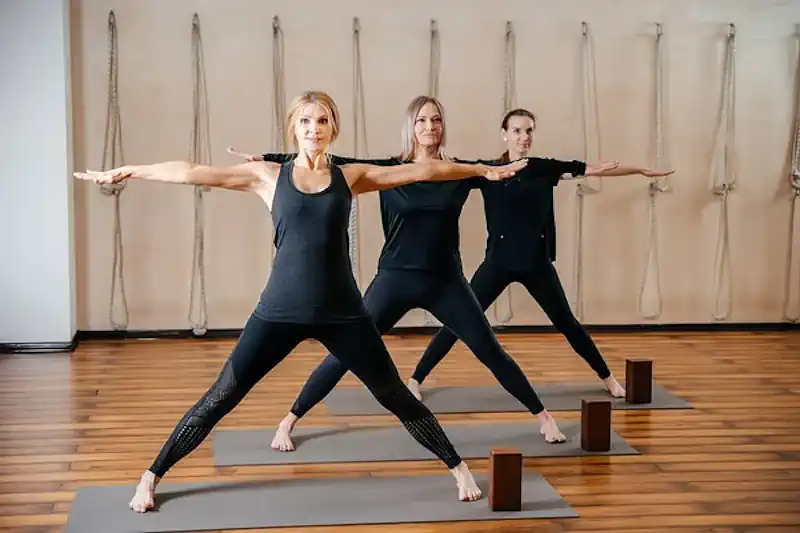
I still remember my first brush with Iyengar Yoga—it was during a rainy afternoon in Honolulu back in 2018, when a friend dragged me to a class at the Silent Dance Center. I walked in thinking yoga was all about twisting into pretzels and chanting, but boy, was I wrong. There I was, fumbling with a block and a strap, feeling like a kid learning to tie shoelaces, while the instructor gently corrected my stance. That session didn’t just stretch my muscles; it realigned my whole perspective on wellness. Fast forward to today, and I’ve seen how this practice, rooted in precision and patience, has helped countless folks—including myself—find balance in a chaotic world. If you’re curious about Iyengar Yoga and the gem that is the Iyengar Yoga Silent Dance Center in Hawaii, stick around as we dive deep into its essence, benefits, and why it might just be the yoga style you’ve been searching for.
What is Iyengar Yoga?
Iyengar Yoga stands out as a methodical form of yoga that prioritizes detail, precision, and perfect alignment in every posture. Developed by the legendary B.K.S. Iyengar, it’s all about using props like blocks, straps, and blankets to make poses accessible, whether you’re a newbie or dealing with limitations. At its core, it’s not just exercise—it’s a path to deeper self-awareness, blending physical rigor with mental focus to transform how you move through life.
The Origins and Philosophy
Born from ancient yoga traditions, Iyengar Yoga draws heavily from Patanjali’s Yoga Sutras, emphasizing a holistic approach to body, mind, and spirit. B.K.S. Iyengar innovated by integrating props and sequencing poses progressively, making yoga inclusive for all ages and abilities. This philosophy isn’t about quick fixes; it’s a lifelong journey toward harmony, where each asana becomes a meditation in action, fostering clarity and inner peace.
The Life and Legacy of B.K.S. Iyengar
B.K.S. Iyengar, born in 1918 in a small Indian village, overcame childhood illnesses like malaria and typhoid through yoga, eventually studying under his guru, Tirumalai Krishnamacharya. He popularized yoga in the West, teaching icons like violinist Yehudi Menuhin, and authored the seminal “Light on Yoga” in 1966. His legacy lives on through certified teachers worldwide, inspiring millions to embrace yoga’s transformative power until his passing in 2014 at age 95.
Iyengar wasn’t just a teacher; he was a pioneer who made yoga approachable. Picture a frail kid turning into a global icon—his story reminds me of those underdog tales that make you root for the hero. Through rigorous practice, he showed that yoga isn’t reserved for the flexible; it’s for anyone willing to show up.
Key Principles of Iyengar Yoga
Iyengar Yoga revolves around alignment, sequencing, and timing, ensuring every pose builds on the last for safe progression. Teachers use precise language and hands-on adjustments to guide students, integrating philosophy into practice for a well-rounded experience.
- Alignment: Focuses on positioning body parts correctly to prevent injury and maximize benefits.
- Use of Props: Blocks, belts, and bolsters help modify poses, making them accessible for all.
- Sequencing: Poses are ordered logically to warm up, peak, and cool down the body.
- Timing: Holding asanas longer builds endurance and deepens awareness.
- Integration of Breath: Pranayama techniques enhance focus and energy flow.
These principles aren’t rigid rules; they’re tools that evolve with you, much like how a good recipe adapts to your kitchen.
Benefits of Practicing Iyengar Yoga
From boosting flexibility to easing stress, Iyengar Yoga delivers tangible perks that spill over into daily life. I’ve felt my posture improve after just a few months— no more slouching at my desk like a question mark. It’s like giving your body a tune-up, leaving you energized rather than exhausted.
Here are some standout benefits:
- Improved posture and alignment, reducing back and neck pain.
- Enhanced strength, flexibility, and balance for better mobility.
- Stress reduction through mindful breathing and focus.
- Better mental clarity and emotional stability.
- Therapeutic effects for conditions like anxiety or arthritis.
Studies and practitioners alike rave about how it ramps up GABA levels in the brain, that feel-good chemical that combats anxiety. But don’t take my word; try it and feel the shift yourself.
Physical Health Gains
Regular practice tones muscles, increases stamina, and aids in injury recovery by emphasizing safe alignments. It’s particularly great for those with joint issues, as props provide support without strain.
Mental and Emotional Perks
Beyond the mat, it cultivates concentration and resilience. Imagine swapping midday jitters for calm focus— that’s the emotional appeal that keeps people coming back.
Introducing the Iyengar Yoga Silent Dance Center
Nestled in Honolulu since 1977, the Iyengar Yoga Silent Dance Center has been a haven for yoga enthusiasts, offering a warm ‘ohana (family) vibe in a beautiful studio. Founded to share Iyengar’s teachings, it draws locals and visitors alike with its commitment to authentic practice. Over four decades, it’s built a community where precision meets aloha spirit, making yoga feel like home.

Location — Iyengar Yoga Silent Dance Center
Location and Facilities
Tucked at 1132 Koko Head Ave in Honolulu, HI, the center boasts a serene space with natural light and ample props for all classes. It’s easily accessible, with parking nearby, and rated a perfect 5.0 on Google from 10 reviews— a testament to its welcoming atmosphere. The studio’s design encourages focus, away from distractions, perfect for deepening your practice.
| ← | Move left |
| → | Move right |
| ↑ | Move up |
| ↓ | Move down |
| + | Zoom in |
| - | Zoom out |
| Home | Jump left by 75% |
| End | Jump right by 75% |
| Page Up | Jump up by 75% |
| Page Down | Jump down by 75% |
To activate drag with keyboard, press Alt + Enter. Once in keyboard drag state, use the arrow keys to move the marker. To complete the drag, press the Enter key. To cancel, press Escape.
Iyengar Yoga Silent Dance Center
5
Map Data ©2026 Google
Map data ©2026 Google
Iyengar Yoga Silent Dance Center5 (10) 1132 Koko Head Ave, Honolulu, HI 96816, USA
Closeduntil 7 am
Classes and Schedule
With 36 weekly classes in in-person, online, and hybrid formats, the center caters to all levels from beginners to advanced. Sessions run Monday through Sunday, starting as early as 7:30 AM, with options like gentle yoga or intensive asana work. Pre-registration is a must, ensuring small groups for personalized attention.
| Day | Morning Classes | Afternoon/Evening Classes |
|---|---|---|
| Monday | 8:00 AM Level 1 | 5:15 PM Mixed Levels |
| Tuesday | 7:30 AM Beginner | 5:30 PM Advanced |
| Wednesday | 7:30 AM Gentle | 7:00 PM Pranayama |
| Thursday | 7:30 AM Level 2 | 12:15 PM Restorative |
| Friday | 7:30 AM Mixed | 5:15 PM Yoga Therapy |
| Saturday | 7:30 AM Beginner | 12:00 PM Workshop |
| Sunday | 7:30 AM Level 1 | 6:30 PM Evening Flow |
This variety means you can fit yoga into your routine, whether you’re a early bird or night owl.
Meet the Teachers
The center’s strength lies in its certified Iyengar teachers, each bringing years of experience and passion. They’re not just instructors; they’re guides who infuse classes with insight and humor.
- Ann-Marie Brege: Level 1 CIYT, studying since 1989, blends her public policy background with yoga for a grounded approach.
- Laurie Freed: Level 2 CIYT, returned to Iyengar after exploring other styles, emphasizing depth and self-study.
- Catherine Hage: Level 1 CIYT, a social worker who uses yoga for emotional healing, sharing her journey from darkness to joy.
- Christine Havener: Level 3 CIYT and yoga therapist, known for humorous yet focused teaching since 1996.
- Gwi-Seok Hong: Level 3 CIYT, a writer and dancer who makes classes poetic and transformative.
- Sandi Jordan: Level 3 CIYT, teaching since 1977, author of yoga books, and a mediator who loves beginners.
- Glenn Kawana: Level 3 CIYT, massage therapist with psychology background, focusing on resilience.
- Deb Lau: Level 1 CIYT, grateful for her teachers’ wisdom since 2003.
These folks make every class feel personal, like chatting with old friends who happen to know yoga inside out.
Getting Started at the Silent Dance Center
If you’re new to Honolulu or yoga, the center offers a $30 intro deal for Hawaii residents—three classes to dip your toes in. Sign up online via their site, grab comfy clothes, and show up ready to learn. No need for fancy gear; they provide props. For more details, visit their official website or check internal guides on beginner yoga essentials.
Newbies often worry about flexibility, but remember: yoga meets you where you are. My first class? I could barely touch my toes, but the supportive vibe turned embarrassment into excitement.
What to Expect in a Class
Classes kick off with centering, then build through standing poses, inversions, and relaxation. Expect detailed cues—like “press your big toe mound down”—that might feel picky at first but unlock deeper benefits. It’s slow-paced, with holds that build heat internally, ending in savasana for bliss.
Humor alert: You’ll laugh when your strap slips, but that’s part of the fun, breaking the ice in a room full of focused faces.
Props in Iyengar Yoga: Tools for Success
Props aren’t cheats; they’re enhancers, invented by Iyengar himself to make poses inclusive. From blocks for support in triangles to belts for forward bends, they help align without strain.
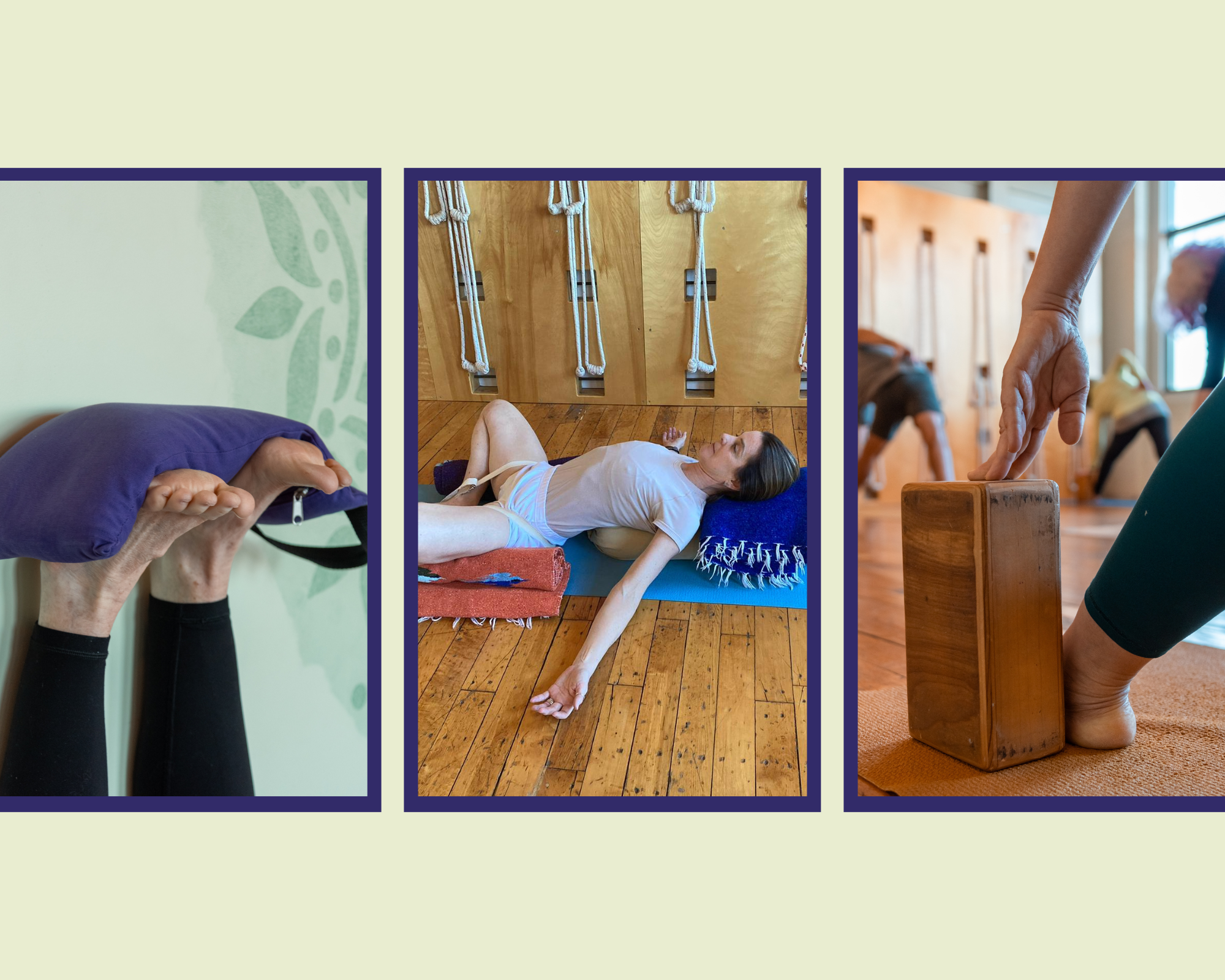
5 Essential Props for Every Iyengar Yoga Class (Available in Our …
Think of them as training wheels—essential for beginners, insightful for pros. I’ve used a chair for headstands and felt like a yoga wizard, minus the risk.
Essential Props for Home Practice
Start with basics: a mat, two blocks, a strap, and a blanket. These allow you to replicate studio magic at home.
Iyengar Yoga for Different Needs
Whether you’re recovering from injury or seeking calm, Iyengar adapts. For beginners, it’s forgiving with modifications; for athletes, it builds precision. Seniors love the support, while those with chronic pain find relief through alignment.
One story: A friend with sciatica swore by the center’s therapy classes—after weeks, she ditched her pain meds. It’s that practical.
For Beginners and Injuries
Start slow with Level 1 classes; props ensure safety, turning potential hurdles into stepping stones.
For Advanced Practitioners
Deeper dives into pranayama and complex sequences challenge even veterans, keeping the practice fresh.
People Also Ask: Common Questions About Iyengar Yoga
Drawing from real Google queries, here’s what folks often wonder:
- What is Iyengar Yoga? A precise style focusing on alignment and props for all levels.
- Is Iyengar Yoga good for beginners? Absolutely—props and detailed instruction make it accessible and safe.
- How does Iyengar differ from other yogas? Less flow, more hold and precision compared to Vinyasa.
- What are the benefits? From better posture to stress relief, it’s holistic wellness in action.
- Can it help with back pain? Yes, through alignment-focused poses that strengthen and realign.
These questions highlight Iyengar’s appeal—practical, inclusive, and effective.
Comparison: Iyengar vs. Other Yoga Styles
Wondering how Iyengar stacks up? Here’s a quick table:
| Style | Focus | Pace | Props? | Best For |
|---|---|---|---|---|
| Iyengar | Alignment & Precision | Slow | Yes | Beginners, Therapy |
| Vinyasa | Flow & Breath Sync | Fast | Rare | Cardio, Energy |
| Hatha | Basic Poses & Balance | Moderate | Sometimes | General Wellness |
| Ashtanga | Set Sequences | Vigorous | No | Strength Building |
| Yin | Deep Stretches | Very Slow | Yes | Relaxation |
Iyengar shines for those craving depth over speed, like choosing a fine wine over a quick shot.
Pros and Cons of Iyengar Yoga
Pros:
- Builds strong foundation with safe progressions.
- Inclusive for all bodies and ages.
- Therapeutic for injuries and stress.
- Enhances body awareness and mindfulness.
- Community-focused at places like Silent Dance Center.
Cons:
- Slower pace might bore thrill-seekers.
- Requires patience for long holds.
- Props can feel gimmicky at first.
- Classes may be pricier due to certification.
Overall, the pros far outweigh the cons, especially if you’re in it for lasting change.
Best Tools for Iyengar Yoga: Gear Recommendations
Ready to practice? Stock up on these essentials for home or studio use. For mats, go for Manduka’s non-slip PRO—durable and eco-friendly. Blocks? Hugger Mugger cork ones offer stability. Straps from YogaAccessories are affordable and long-lasting. Check Amazon for Iyengar props or the center’s shop for authentic gear. Investing in quality tools pays off in better practice.
As someone who’s collected a mini arsenal, start small— a good strap can revolutionize your forward bends.
FAQ
Q: How often should I practice Iyengar Yoga? A: Aim for 2-3 times a week to see benefits, but even once weekly builds momentum. Consistency trumps intensity.
Q: Do I need to be flexible to start? A: Nope! Iyengar meets you at your level, using props to ease in. Flexibility comes with time.
Q: What’s the cost at Silent Dance Center? A: Drop-ins are around $20, with packages for regulars. Newbies get deals—check their site.
Q: Can kids do Iyengar Yoga? A: Yes, with adapted classes; it’s great for focus and posture in young ones.
Q: Is certification important for teachers? A: Absolutely— it ensures rigorous training, like the center’s CIYTs who study for years.
In wrapping up, Iyengar Yoga at the Silent Dance Center isn’t just a workout; it’s a community and a catalyst for change. Whether you’re healing, strengthening, or simply seeking peace, this practice delivers. I encourage you to book a class— who knows, it might just realign your life like it did mine. For more on yoga styles, explore our internal guide to Hatha Yoga. Namaste.