I’ve been practicing Iyengar Yoga for over 15 years now, and if there’s one thing that’s transformed my life more than anything else, it’s the way this method approaches core strength. Back when I started, I was dealing with chronic lower back pain from sitting at a desk all day—sound familiar? I thought “core work” meant endless crunches, but Iyengar showed me something completely different: a thoughtful, precise way to build abdominal stability that supports the spine, improves posture, and even calms the mind. No burnout, no strain—just steady, intelligent progress.
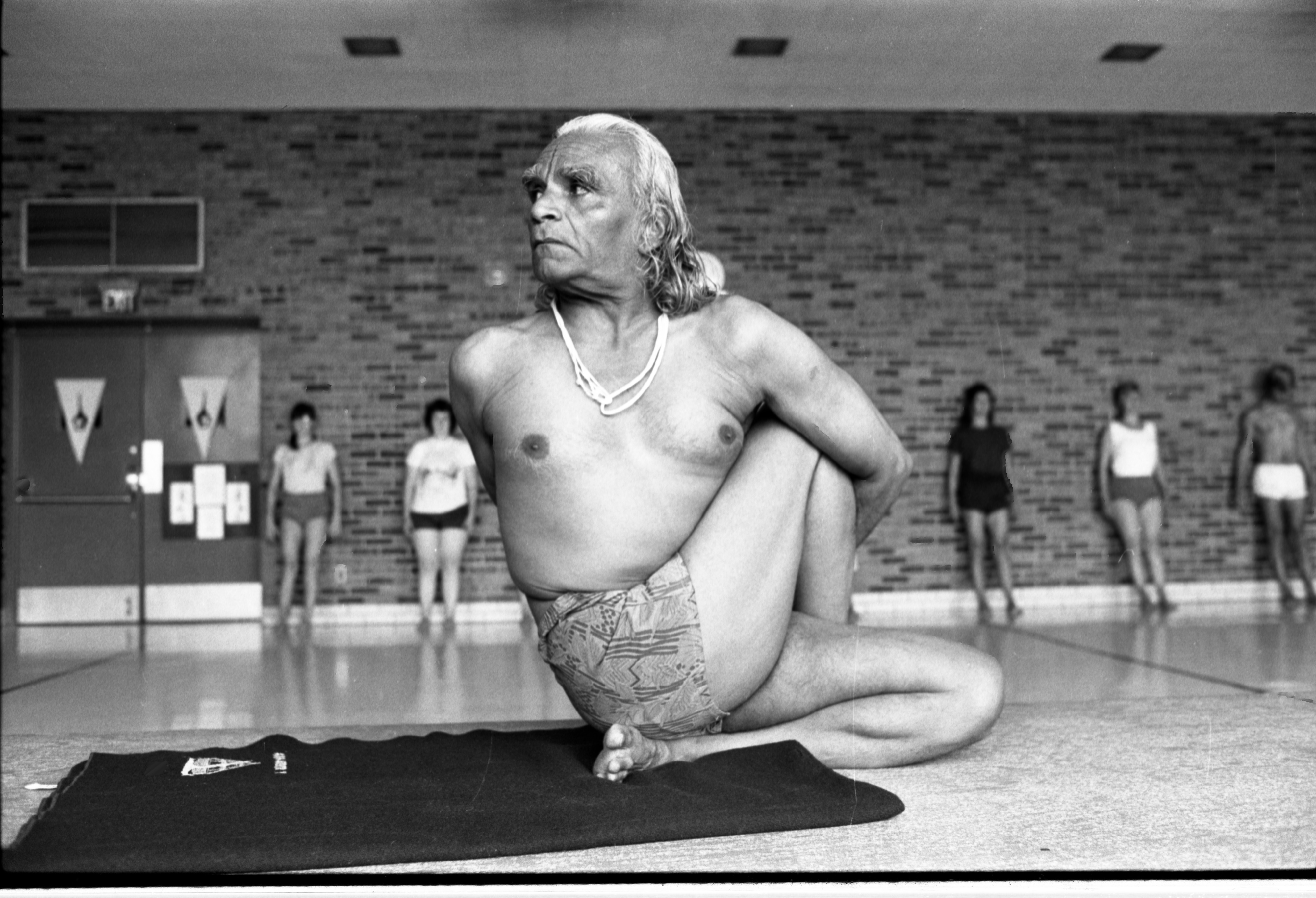
In Iyengar Yoga, founded by the legendary B.K.S. Iyengar, we don’t chase six-pack abs. Instead, we focus on functional strength: toning the deep abdominal muscles while lengthening them, creating a core that’s firm yet flexible, like bamboo bending in the wind without breaking. This approach protects your organs, stabilizes your spine, and prevents issues like hernias or back problems that can come from overworking superficial muscles too soon.
Through precise alignment, timed holdings, and clever use of props like belts, blocks, and blankets, Iyengar makes core strengthening accessible to everyone—beginners, those with injuries, or even seasoned practitioners looking to deepen their awareness.
What Makes Iyengar Yoga Unique for Core Development?
Iyengar Yoga stands out because of its emphasis on precision and alignment. Poses are held longer to build endurance, and props help you achieve correct form without forcing it.
This method engages the core holistically—standing poses build foundation, inversions integrate it upside down, and seated postures isolate the abdominals safely. The result? A core that’s not just strong, but aware and balanced.
Unlike faster styles, Iyengar encourages you to observe how your abdomen responds in every pose, fostering a deep mind-body connection. It’s therapeutic too; studies on yoga for conditions like IBS have highlighted Iyengar’s benefits for abdominal health.
I remember my first class: the teacher adjusted my Tadasana (Mountain Pose) with a block between my thighs, and suddenly I felt my lower belly lift effortlessly. That “aha” moment hooked me.
The Benefits of a Strong Core Through Iyengar Practice
A well-toned core does so much more than look good—it supports everything you do.
Here are some key advantages I’ve experienced and seen in my students:
- Spinal Stability and Back Pain Relief: Strong abdominals protect the lower back during daily movements, reducing strain on the lumbar spine.
- Improved Posture and Balance: Engaging the core in standing poses corrects slouching and enhances overall stability.
- Better Digestion and Organ Health: Gentle toning massages abdominal organs, aiding digestion and potentially easing issues like bloating.
- Enhanced Breathing and Energy: A lifted core creates space for deeper breaths, boosting vitality.
- Injury Prevention: By building strength gradually, you avoid common pitfalls like hernias from overexertion.
One student, a runner in her 40s, told me after a few months: “My back pain is gone, and I feel grounded in a way I never did before.” Stories like that keep me passionate about this work.
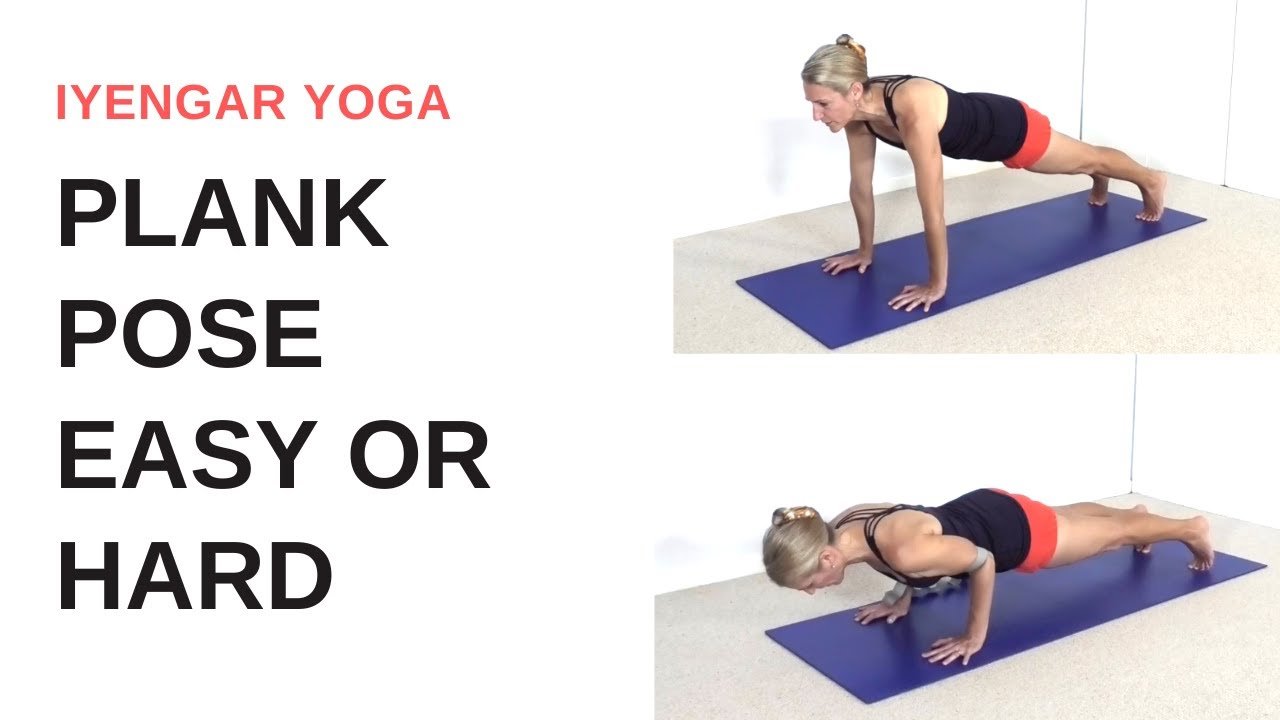
PLANK POSE – easy or hard – How to work toward Chaturanga Dandasana with support | Iyengar Yoga
Key Iyengar Poses for Building Abdominal Strength
Iyengar teaches us to build core strength progressively: start with standing poses for foundation, move to seated and supine for direct engagement, and incorporate inversions for integration.
Here are some essential asanas, with tips on alignment and props.
Standing Poses: The Foundation of Core Awareness
Standing poses quietly fire up the core by requiring stability against gravity.
They teach the abdomen to support the torso without gripping.
- Tadasana (Mountain Pose): Stand tall, feet together, lift through the lower belly. Use a block between thighs to activate inner legs and draw the abdomen in.
- Utthita Trikonasana (Extended Triangle Pose): Extend sideways, keeping the torso long. The core prevents collapsing into the lower side.
- Parivrtta Trikonasana (Revolved Triangle): Adds twist for deeper oblique engagement.
These build endurance—hold for 30-60 seconds per side.
Seated and Supine Poses: Direct Abdominal Work
These target the rectus abdominis and transverses more intensely.
Props make them safe and effective.
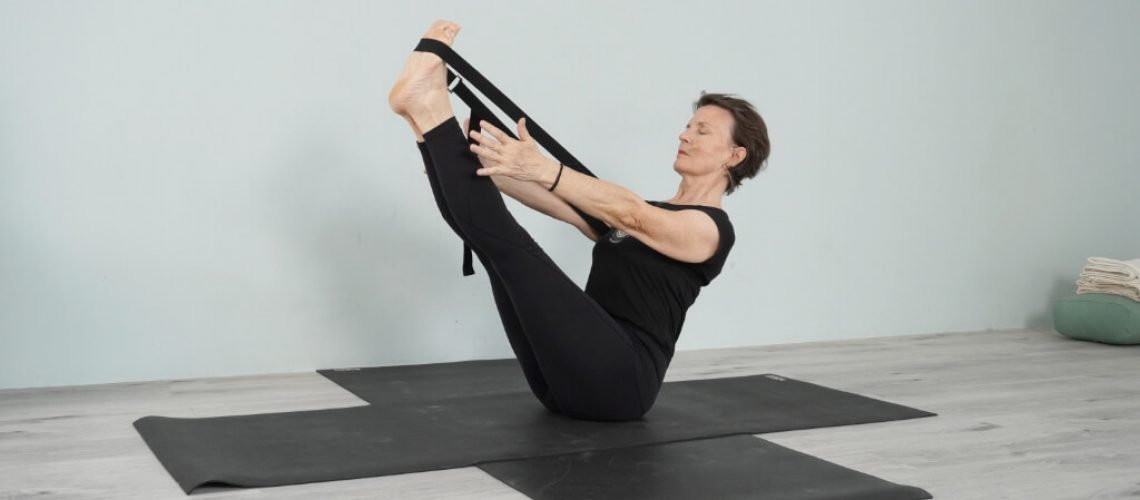
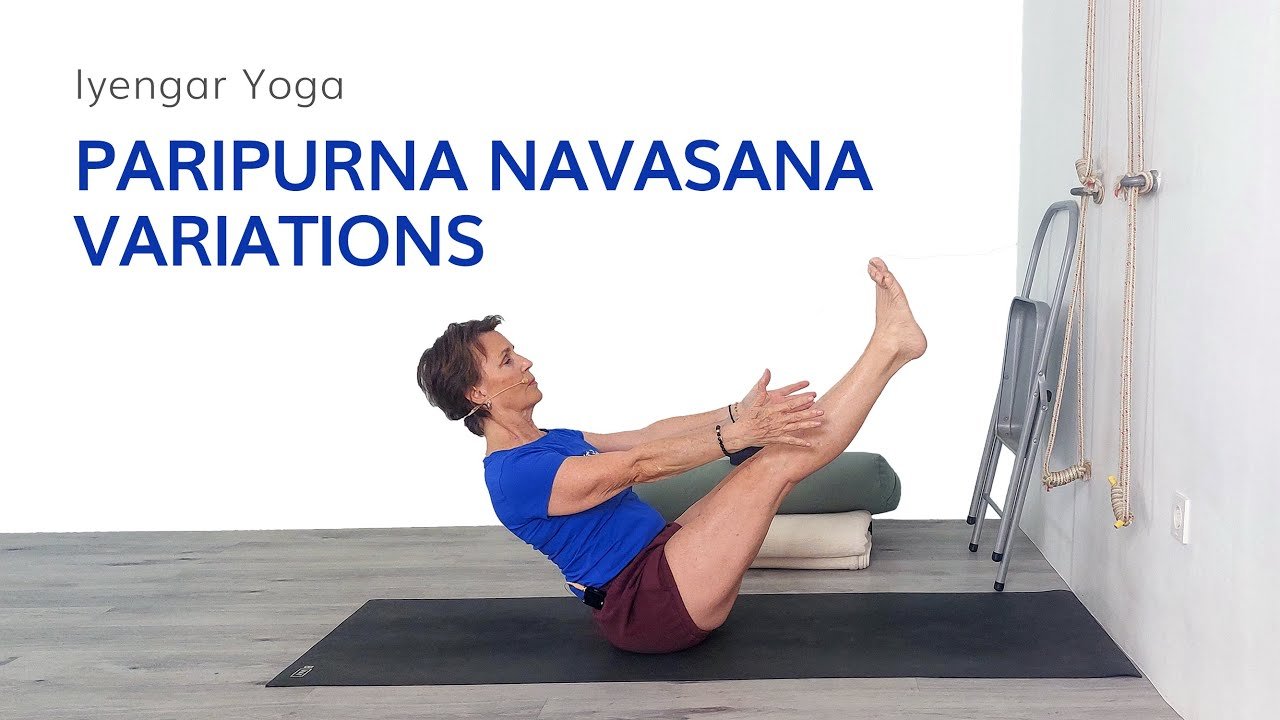
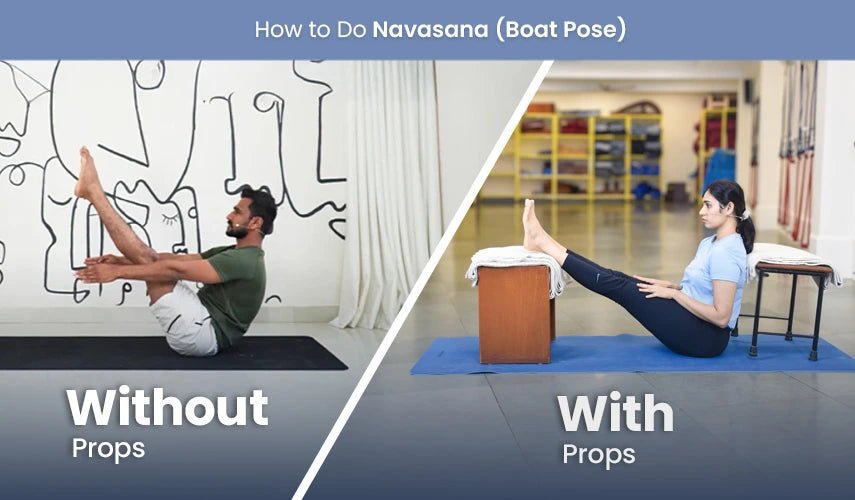
Paripurna Navasana (Full Boat Pose)
A classic for abs, but in Iyengar, we modify for alignment.
Sit with legs extended, lean back slightly, lift legs to 45 degrees, arms forward. If hamstrings are tight, bend knees or use a belt around feet.
Hold 20-30 seconds, breathing steadily. This one always leaves me feeling fired up!

Urdhva Prasarita Padasana (Upward Extended Legs Pose)
Lie on back, lift legs to 90 degrees, lower slowly without arching back.
Use wall support for beginners. Dynamic versions build heat fast.
Jathara Parivartanasana (Revolved Abdomen Pose)
Twisting supine pose—legs to one side, core controls the descent.
Great for obliques.
Arm Balances and Inversions: Integrating Core Power
Once basics are solid, these challenge the core fully.
- Chaturanga Dandasana (Four-Limbed Staff Pose): Plank variation—lower halfway, elbows hugging sides. Use blocks under hands if needed.
- Adho Mukha Svanasana (Downward Dog): Core lifts the hips.
- Sirsasana (Headstand) and Sarvangasana (Shoulderstand): Inversions tone deeply by reversing gravity.
Props like walls or chairs make them accessible.

Chaturanga Dandasana: How to Practice Four-Limbed Staff Pose
Sample Iyengar Sequence for Abdominal Strength
Try this 45-minute home sequence. Use props you have—blankets, belts, blocks.
Warm up with Tadasana and simple arm movements.
- Tadasana – 1 minute
- Utthita Trikonasana – 30-45 seconds/side
- Parivrtta Trikonasana – 30 seconds/side
- Adho Mukha Svanasana – 1 minute
- Paripurna Navasana (with belt if needed) – 3 rounds, 20-30 seconds
- Urdhva Prasarita Padasana (against wall) – 5-10 dynamic lifts
- Jathara Parivartanasana – 30 seconds/side
- Chaturanga Dandasana (on knees or full) – 3 holds
- Viparita Karani (Legs Up the Wall) – 5 minutes restorative
- Savasana – 10 minutes
Repeat 3-4 times weekly. Listen to your body—ease off if there’s strain.
Pros and Cons of Iyengar Yoga for Core Strength
| Aspect | Pros | Cons |
|---|---|---|
| Accessibility | Props make it suitable for all levels and injuries | Requires props; not always available at home |
| Effectiveness | Builds deep, functional strength safely | Progress can feel slow compared to intense workouts |
| Mind-Body Connection | Emphasizes awareness and breath | Less “flowy”—more static holds |
| Therapeutic Value | Great for back pain and posture | Not cardio-focused; pair with walking for heart health |
Overall, the pros far outweigh the cons for sustainable strength.
Comparison: Iyengar vs. Other Styles for Core Work
- Vs. Vinyasa/Flow Yoga: Iyengar holds poses longer for deeper engagement; flow builds heat faster but risks misalignment.
- Vs. Ashtanga: Similar lineage, but Iyengar uses props and modifications—more therapeutic.
- Vs. Pilates: Both precise, but Iyengar integrates whole-body alignment and breath; Pilates more equipment-based.
- Vs. Gym Crunches: Yoga avoids strain on neck/spine; builds balanced strength with flexibility.
Iyengar wins for longevity and injury prevention.
People Also Ask
What is Iyengar Yoga best for? It’s excellent for alignment, therapeutic needs, and building precise strength—including core stability.
Does Iyengar Yoga tone the stomach? Yes, through integrated poses that tone deeply without excessive strain, leading to a firm, flat abdomen over time.
Which yoga is best for core strength? Iyengar stands out for its systematic, prop-assisted approach that builds safe, functional core power.
Can beginners do Iyengar Yoga for abs? Absolutely—props and modifications make it ideal for starters.
How often should I practice for abdominal benefits? 3-5 sessions weekly, combined with daily awareness in standing.
FAQ
Is Iyengar Yoga good for losing belly fat? While not primarily for weight loss, consistent practice tones the core, improves metabolism, and supports healthier habits that can reduce belly fat.
Do I need props for core-focused Iyengar? Highly recommended! Belts for Navasana, blocks for support—they ensure safe alignment and deeper work.
Can Iyengar help with lower back pain related to weak abs? Yes, it’s one of the best styles—strengthens abs to support the back without aggravating it.
How long until I notice stronger abs? Many feel changes in 4-6 weeks; visible toning in 3-6 months with regular practice.
Is it safe during menstruation? Avoid intense abdominal work; focus on supported poses. Consult a certified teacher.
If you’re ready to build a core that’s strong, stable, and intelligent, start with a certified Iyengar class or online resources from reputable sources like the Ramamani Iyengar Memorial Yoga Institute. For more inspiration, check “Light on Yoga” by B.K.S. Iyengar.
I’ve seen this practice change lives—mine included. Give it time, stay curious, and enjoy the journey. Your body will thank you.