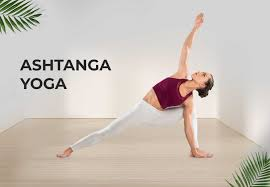
Picture this: It’s a crisp morning in Mysore, India, the air thick with the scent of incense and the rhythmic sound of deep breaths echoing through a modest shala. That’s where I first stumbled—quite literally—into Ashtanga Yoga about a decade ago during a backpacking trip that was supposed to be about “finding myself.” Instead, I found myself tangled in a downward dog, sweating buckets, and questioning my life choices. But that humbling start hooked me for good, turning a casual curiosity into a lifelong passion. If you’re here wondering about Ashtanga Yoga, trust me, it’s more than just fancy poses—it’s a transformative journey that blends ancient wisdom with sweat-drenched discipline. In this deep dive, we’ll unpack its essence, from roots buried in millennia-old texts to the flowing sequences that challenge your body and soothe your soul, all while sharing stories that make it feel real and relatable.
What is Ashtanga Yoga?
Ashtanga Yoga, often called the “eight-limbed path,” is a dynamic and structured form of yoga that synchronizes breath with a progressive series of postures to create internal heat, purify the body, and calm the mind. Rooted in ancient Indian philosophy, it’s not just exercise—it’s a holistic system designed to lead practitioners toward self-realization and inner peace through disciplined practice. Think of it as a moving meditation where every inhale and exhale guides you deeper into awareness, making it both physically demanding and spiritually rewarding.
This style stands out for its fixed sequences, unlike freestyle flows in other yogas, ensuring a consistent challenge that builds strength over time. Beginners might find it intimidating at first, but with guidance, it becomes accessible and addictive. As someone who’s practiced through injuries and life upheavals, I can attest—it’s like a reliable old friend that pushes you but never abandons you.
The Rich History of Ashtanga Yoga
The story of Ashtanga Yoga stretches back over 2,000 years to the sage Patanjali, who compiled the Yoga Sutras, outlining the eight limbs as a blueprint for ethical living and spiritual enlightenment. In the early 20th century, this classical framework evolved into the modern vinyasa style when T. Krishnamacharya rediscovered ancient texts and taught it to his student, K. Pattabhi Jois, in Mysore, India. Jois, affectionately known as Guruji, refined the method into six series of postures, establishing the Ashtanga Yoga Research Institute in 1948 and spreading it globally until his passing in 2009.
Influences from Indian wrestling and gymnastics shaped its athletic flow, blending tradition with vigor. Today, led by Jois’s grandson Sharath Jois until his recent death in 2024, the practice thrives in shalas worldwide, adapting while honoring its lineage. I once visited Mysore and felt the history in every breath—it’s like stepping into a living timeline where ancient sages meet modern seekers.
The Eight Principles (Limbs) of Ashtanga Yoga
At its core, Ashtanga Yoga follows Patanjali’s eight limbs, a step-by-step path from ethical foundations to ultimate bliss, integrating body, mind, and spirit for holistic growth. These principles aren’t just theory; they’re practical tools that seep into daily life, helping you navigate chaos with grace. Mastering them turns yoga from a workout into a way of being, fostering resilience and joy.
Yama: Ethical Standards
Yama encompasses five moral guidelines like non-violence (ahimsa) and truthfulness (satya), urging us to live harmoniously with others and the world. It’s the foundation, reminding practitioners to check their actions off the mat—think choosing kindness in a heated argument. In my early days, applying ahimsa meant being gentle with my body’s limits, avoiding injury from ego-driven pushes.
Niyama: Self-Discipline
Niyama focuses on personal observances such as cleanliness (saucha) and contentment (santosha), cultivating inner purity and gratitude. These build self-awareness, like journaling after practice to reflect on growth. I’ve found santosha especially powerful during tough times, turning frustration into acceptance and keeping my practice steady.
Asana: Postures
Asana involves the physical poses that strengthen and flex the body, preparing it for deeper meditation by releasing tension. In Ashtanga, they’re linked with breath for flow, not isolation. Remembering my first full primary series, the asanas felt endless, but they taught me patience—like life, it’s about showing up consistently.
Pranayama: Breath Control
Pranayama is the art of regulating breath to expand life force (prana), using techniques like ujjayi for focus and energy. It calms the nervous system, turning shallow pants into deep, oceanic waves. Once, during a stressful job phase, pranayama became my anchor, proving breath is the bridge between body and mind.
Pratyahara: Sense Withdrawal
Pratyahara teaches detaching from external distractions, turning attention inward for mental clarity. It’s like tuning out noise in a crowded room to hear your thoughts. This limb helped me during a retreat when overwhelming emotions surfaced—by withdrawing senses, I found inner quiet amid the storm.
Dharana: Concentration
Dharana hones single-pointed focus, often through drishti (gaze points) in poses, training the mind to stay present. It combats wandering thoughts, building mental stamina. In practice, it turned my scattered sessions into laser-sharp flows, spilling over into work where distractions once ruled.
Dhyana: Meditation
Dhyana is sustained meditation, a natural flow from concentration where awareness deepens without effort. It’s the sweet spot of stillness, revealing insights. My breakthrough came after months of asana—sudden moments of dhyana felt like glimpses of pure peace, addictive and profound.
Samadhi: Enlightenment
Samadhi is the ultimate union with the divine, a state of blissful absorption beyond ego. It’s the goal, where duality dissolves into oneness. While fleeting for most, even tastes during practice inspire—I’ve felt hints after intense sessions, leaving me humbled and hungry for more.
Core Practices and Techniques in Ashtanga Yoga
Ashtanga’s practices revolve around tristhana—breath, posture, and gaze—creating a meditative flow that purifies from within. Techniques like bandhas (energy locks) and vinyasa (breath-linked movement) amplify benefits, making each session a ritual. They’re not optional; they’re the glue holding the practice together, turning physical effort into spiritual alchemy.
Vinyasa: The Flowing Link
Vinyasa synchronizes breath with movement between poses, building heat and circulation. It’s the heartbeat of Ashtanga, ensuring smooth transitions. Early on, I botched vinyasas hilariously, but mastering them felt like unlocking a secret rhythm—now, it’s my favorite part for that endorphin rush.
Bandhas: Energy Locks
Bandhas involve engaging mula (root), uddiyana (abdominal), and jalandhara (throat) locks to direct prana upward. They stabilize the core and prevent energy leaks. Applying them transformed my practice from floppy to firm; it’s like having an internal superpower, especially during inversions.
Drishti: Gaze Points
Drishti assigns focal points for each pose, like the nose or thumb, to enhance concentration and prevent distractions. It turns wandering eyes into tools for introspection. I used to glance around class enviously—drishti cured that, fostering a private bubble of focus amid group energy.
Ujjayi Breathing: The Victorious Breath
Ujjayi creates an audible, oceanic sound by constricting the throat, warming the body and steadying the mind. It’s used throughout to maintain rhythm. During a challenging period, ujjayi was my lifeline, turning panic into poise—humorously, it also drowns out my grunts!
The Ashtanga Yoga Series Explained
The six series form Ashtanga’s backbone, each building on the last with increasing complexity to progressively purify and strengthen. Starting with basics, they ensure safe advancement under teacher guidance. It’s a marathon, not a sprint—rushing leads to burnout, as I learned the hard way.
- Primary Series (Yoga Chikitsa): Detoxifies and aligns the body, focusing on forward bends and foundational poses for therapy and health.
- Intermediate Series (Nadi Shodhana): Cleanses the nervous system with backbends and twists, enhancing energy flow.
- Advanced A (Third Series): Builds strength through arm balances and intense poses.
- Advanced B (Fourth Series): Emphasizes flexibility and endurance.
- Advanced C and D (Fifth and Sixth Series): Ultimate challenges for grace and humility, rarely mastered.
| Series | Focus | Key Benefits | Difficulty Level |
|---|---|---|---|
| Primary | Alignment & Detox | Builds foundation, improves flexibility | Beginner-Intermediate |
| Intermediate | Nerve Purification | Enhances vitality, emotional release | Intermediate-Advanced |
| Advanced A | Strength | Increases power, stability | Advanced |
| Advanced B | Flexibility | Deepens range, resilience | Expert |
| Advanced C/D | Mastery | Spiritual depth, humility | Master |
Benefits of Practicing Ashtanga Yoga
Regular Ashtanga boosts physical prowess while nurturing mental wellbeing, from toned muscles to reduced anxiety—it’s a full-spectrum upgrade. Studies show it lowers stress hormones, but experientially, it’s the glow after class that sells it. With commitment, it reshapes not just your body, but your outlook on life.
Pros of Ashtanga Yoga
- Builds exceptional strength, flexibility, and endurance through consistent sequences.
- Promotes mental clarity and focus via breath and drishti, reducing daily stress.
- Fosters discipline and routine, spilling into better habits off the mat.
- Offers clear progression, motivating long-term practitioners with measurable goals.
- Creates community in shalas, building supportive bonds.
Cons of Ashtanga Yoga
- Physically intense, risking injury if not approached mindfully—listen to your body!
- Requires daily commitment, which can feel overwhelming for busy schedules.
- Fixed sequences might bore those craving variety in their practice.
- Not ideal for complete beginners without modifications or guidance.
- Moon days and rest rules add structure that some find restrictive.
Ashtanga Yoga vs. Other Styles: A Comparison
Ashtanga stands apart with its rigid structure, contrasting freer styles like Vinyasa or restorative ones like Yin. It’s athletic yet philosophical, suiting go-getters seeking depth. Comparing helps choose wisely—I’ve dabbled in others, but Ashtanga’s discipline always calls me back.
| Aspect | Ashtanga Yoga | Vinyasa Yoga | Hatha Yoga | Bikram Yoga |
|---|---|---|---|---|
| Structure | Fixed series, breath-synced | Creative flows, teacher-led | Balanced poses, slower pace | 26 poses in heat, scripted |
| Intensity | High, athletic | Moderate to high | Gentle to moderate | High, sweaty |
| Focus | Purification, discipline | Creativity, energy | Alignment, basics | Detox, endurance |
| Breath Work | Ujjayi throughout | Varied, emphasized | Basic pranayama | Normal, in hot room |
| Best For | Committed practitioners | Variety seekers | Beginners | Heat lovers |
For more on Vinyasa differences, check this guide.
How to Get Started with Ashtanga Yoga
Diving in? Begin with the primary series under a qualified teacher to avoid bad habits—it’s like learning to drive with a pro. Invest in basics: a good mat, comfortable clothes, and perhaps a book like “Yoga Mala” by Pattabhi Jois for inspiration. Start slow, maybe three times a week, and build from there; my rookie mistake was overdoing it, leading to burnout.
Best tools include Manduka mats for grip and blocks for modifications—affordable on Amazon. Apps like Ashtanga Yoga app offer guided primaries. For home practice, free YouTube tutorials from Kino MacGregor are gold. Remember, consistency trumps perfection; track progress in a journal to stay motivated.
Where to Learn Ashtanga Yoga
Authentic learning happens in dedicated shalas, like the Sharath Yoga Centre in Mysore for immersion trips. Locally, search for “Ashtanga studios near me” via Google Maps—many offer Mysore-style classes. Online platforms like Omstars or Yoga International provide virtual access with live sessions from experts.
For retreats, consider Bali or Goa spots via BookYogaRetreats.com. In the US, studios like Miami Life Center (Kino MacGregor) shine. I started at a small local shala, building confidence before Mysore—start where you are, and the path unfolds.
People Also Ask
What is Ashtanga Yoga and how is it different from other types?
Ashtanga is a vigorous, sequence-based yoga emphasizing breath and flow, differing from Hatha’s slower pace or Yin’s static holds by its athletic, purifying nature. It’s structured for progression, ideal for building discipline.
Can beginners practice Ashtanga Yoga?
Absolutely, with modifications and teacher guidance—Mysore style allows personalization, making it accessible despite intensity. Start with shortened primaries to ease in.
What are the benefits of Ashtanga Yoga?
It enhances strength, flexibility, mental focus, and stress relief, while promoting detoxification and emotional balance. Regular practice can improve overall wellbeing.
How many series are there in Ashtanga Yoga?
There are six: Primary, Intermediate, and four Advanced, each advancing in complexity. Most stick to the first two for life.
Is Ashtanga Yoga good for weight loss?
Yes, its cardio-like flow burns calories and builds muscle, aiding weight management when paired with diet. But it’s more about holistic health.
FAQ
What should I wear to an Ashtanga Yoga class?
Opt for breathable, fitted clothes like leggings and tanks to allow free movement without slipping. Avoid loose items that bunch up in inversions—comfort is key for focus.
How often should I practice Ashtanga Yoga?
Traditionally, six days a week, resting on Saturdays and moon days. Beginners can start with 3-4 sessions to build stamina without overwhelm.
Can Ashtanga Yoga help with anxiety?
Definitely—its breath focus and meditative flow reduce stress hormones, promoting calm. Many, including me, find it therapeutic for mental health.
What’s the difference between Ashtanga and Power Yoga?
Power Yoga is a Western adaptation, more freestyle and gym-like, while Ashtanga follows fixed sequences with deeper philosophical roots.
Do I need to be flexible to start Ashtanga?
No way—flexibility comes with practice. It’s about where you are now; modifications make it inclusive for all bodies.
Wrapping up, Ashtanga Yoga isn’t just a practice—it’s a companion through life’s twists and turns. From my fumbling beginnings to profound moments of clarity, it’s shaped me in ways words barely capture. Whether you’re seeking strength, serenity, or self-discovery, give it a shot. Who knows? That first sun salutation might just change everything. For more yoga insights, explore our pose library or Pattabhi Jois’s legacy at KPJAYI. Keep breathing, keep flowing.