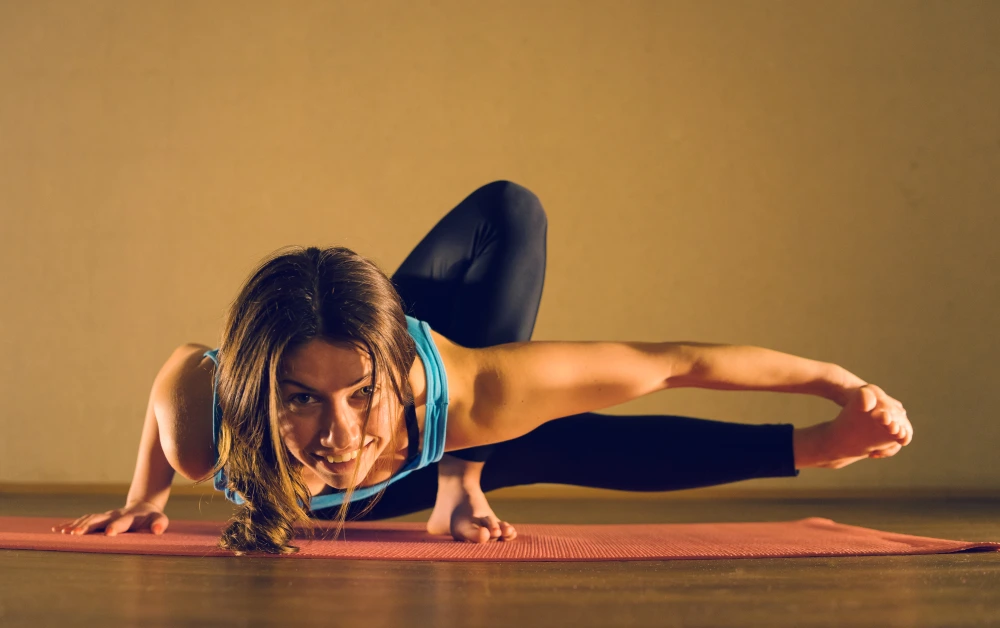
Hey there, fellow yogi. Picture this: It’s a chilly morning in my old apartment, the kind where your breath fogs up the window, and I’m rolling out my mat for my first real dive into Ashtanga. I thought I was in decent shape from casual vinyasa classes, but oh boy, was I wrong. By the time I hit the third sun salutation, sweat was pouring off me like I’d stepped into a sauna. That internal fire? It’s no joke. Ashtanga yoga has this magical way of cranking up your body’s heat from the inside out, leaving you energized, detoxified, and maybe a little humbled. If you’re looking to ignite that inner warmth, especially during those colder months or when you need a serious energy boost, these eight intense poses from the Ashtanga tradition are your ticket. I’ve practiced them for years now, through ups and downs, and they’ve transformed not just my body but my mindset too. Let’s dive in, shall we? I’ll share the how-tos, the whys, and even a few laughs from my own mat mishaps.
What is Ashtanga Yoga?
Ashtanga yoga isn’t just another flow class—it’s a dynamic, breath-synchronized practice rooted in ancient Indian traditions, popularized by Sri K. Pattabhi Jois in the 20th century. Think of it as a moving meditation where each posture links seamlessly with the next through vinyasa, building heat and stamina like nothing else. It’s structured into series, starting with the Primary Series (Yoga Chikitsa), which focuses on purifying the body and mind.
The Heat-Building Magic of Ashtanga
What makes Ashtanga so effective at heating you up? It’s all about that ujjayi breath—the victorious, ocean-like sound that generates internal energy—combined with bandhas (energy locks) and drishti (focused gaze). These elements turn simple poses into powerhouses, boosting circulation and metabolism. From my experience, after a session, I feel like I’ve run a marathon but with a zen twist—no wonder it’s called “power yoga” in some circles.
Preparing Your Body and Mind for Intensity
Before jumping in, warm up with a few rounds of Surya Namaskar A and B to loosen up those joints and get the blood flowing. Grab a non-slip mat (I swear by Manduka’s PRO series for grip during sweaty flows—check them out here) and find a quiet space. Remember, listen to your body; if something feels off, modify or skip. My first time ignoring that advice led to a hilarious hamstring pull—lesson learned!
The 8 Intense Poses to Ignite Your Fire
These poses are drawn from the Ashtanga Primary Series, chosen for their ability to generate serious heat through strength, balance, and deep engagement. We’ll break each down with steps, benefits, and tips, plus a personal touch from my journey. Practice them in sequence for maximum effect, holding each for five breaths unless noted.
Utkatasana (Chair Pose)
Utkatasana is like squatting in an invisible chair while reaching for the sky—talk about firing up those quads! It builds lower body strength and core stability, all while that deep bend creates intense internal heat. I remember holding this during a workshop, legs shaking like jelly, but emerging feeling invincible.
- Steps: Stand with feet together, inhale to raise arms overhead, exhale to bend knees as if sitting back into a chair. Keep weight in heels, gaze forward.
- Benefits: Strengthens thighs, ankles, and spine; stimulates heart and diaphragm for better circulation.
- Tips for Beginners: If knees protest, place feet hip-width apart. Advanced? Add a twist by bringing hands to prayer and hooking one elbow outside the opposite knee.
- Modifications: Use a wall for support behind you to ease into the depth.
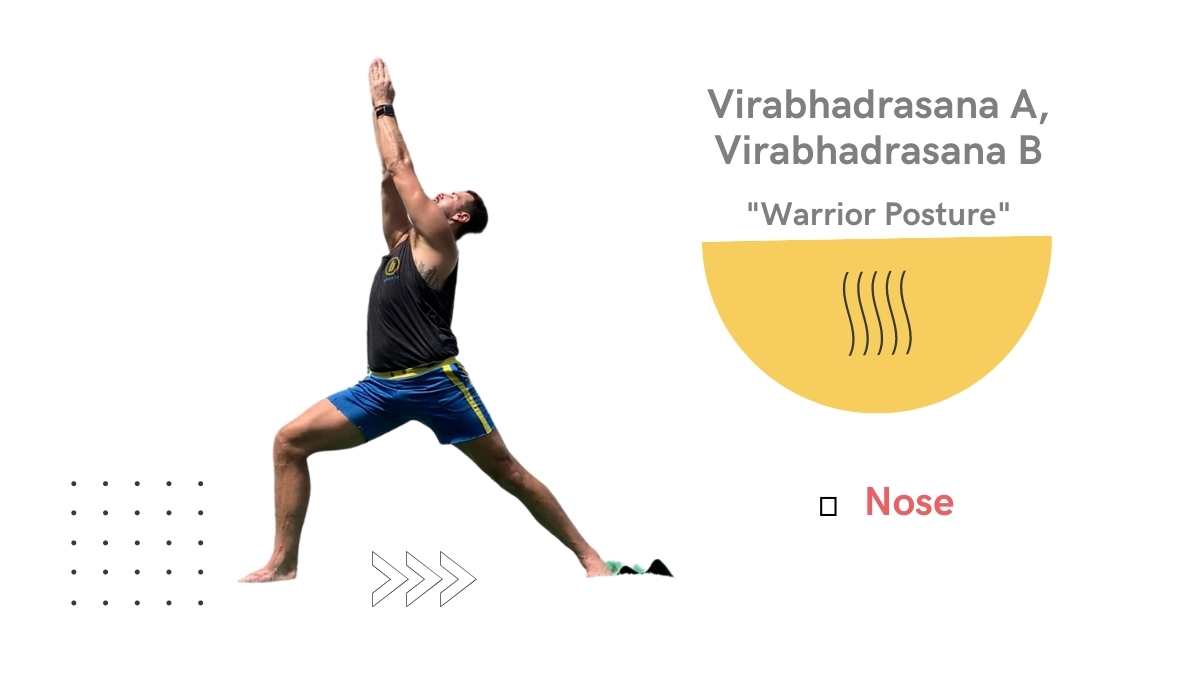
Virabhadrasana A & B: Understanding the Count and Its Flow …
Virabhadrasana I (Warrior I)
This warrior stance channels ancient heroism, lunging forward with arms skyward to open the hips and chest. It’s a heat-builder extraordinaire, engaging the entire body in a powerful hold that boosts endurance. Once, in a heated class, this pose had me dripping sweat, but it taught me resilience—like facing life’s battles head-on.
- Steps: From downward dog, step right foot forward between hands, pivot left foot 45 degrees, inhale to lift torso and arms up. Square hips forward.
- Benefits: Stretches psoas and chest; strengthens legs, arms, and back for improved posture.
- Pros & Cons: Pros include enhanced focus and stamina; cons might be knee strain if alignment slips—always check that front knee stacks over ankle.
- Where to Learn More: Join a local studio like YogaWorks for guided classes .
Virabhadrasana II (Warrior II)
Shifting to a side lunge with arms extended, Warrior II demands steady gaze over the front hand, heating the legs while opening the groin. It’s intense on the thighs, creating that fiery sensation that detoxifies through sweat. My breakthrough came when I stopped rushing and really sank in—suddenly, the heat felt empowering, not overwhelming.
- Steps: From Warrior I, open hips and arms parallel to the floor, front knee bent at 90 degrees, back leg straight.
- Benefits: Builds leg strength and hip flexibility; improves concentration and balance.
- Comparison to Other Styles: Unlike gentle Hatha, Ashtanga’s Warrior II flows dynamically, amping up cardio versus static holds in Iyengar.
- Emotional Appeal: This pose reminds me of standing strong amid chaos—perfect for stressful days.

15+ Yoga Poses For Every Kind Of Practitioner – Yoga Kawa
Utthita Parsvakonasana (Extended Side Angle Pose)
Here, you extend sideways over a bent leg, one arm reaching overhead, the other grounding—it’s a full-body twist that ignites the core and sides. Heat surges as you engage obliques and legs deeply. I once held this longer than usual during a retreat, and the burn led to a euphoric release afterward, like shedding old energy.
- Steps: From Warrior II, exhale to place right forearm on right thigh, left arm over ear, twisting torso open.
- Benefits: Stretches sides, groins, and hamstrings; tones abdominal organs for better digestion.
- Best Tools For: A yoga block under the bottom hand if flexibility is limited—try Jade Yoga blocks for stability .
- Humor Break: Ever feel like a human pretzel? That’s this pose on a tight day—breathe through it!
Prasarita Padottanasana A (Wide-Legged Forward Bend A)
Spreading legs wide and folding forward, hands on the floor, this inversion floods the brain with blood while heating the hamstrings intensely. It’s grounding yet fiery, perfect for releasing tension. Picture me in my early days, head dangling, face red from effort—pure comedy, but the post-pose clarity was worth it.
- Steps: Stand with feet wide, toes slightly in, exhale to fold forward, hands between feet.
- Benefits: Calms the mind; stretches inner thighs and back for flexibility gains.
- Pros & Cons List:
- Pros: Relieves headaches, improves circulation.
- Cons: Can strain hamstrings if forced—go slow.
| Pose Name | Sanskrit | Difficulty (1-10) | Primary Heat Benefit |
|---|---|---|---|
| Utkatasana | Utkatasana | 6 | Leg strength and core fire |
| Virabhadrasana I | Virabhadrasana I | 7 | Full-body engagement |
| Virabhadrasana II | Virabhadrasana II | 7 | Hip opening with stamina build |
| Utthita Parsvakonasana | Utthita Parsvakonasana | 8 | Oblique and side burn |
| Prasarita Padottanasana A | Prasarita Padottanasana A | 6 | Hamstring heat and inversion |
| Utthita Hasta Padangusthasana | Utthita Hasta Padangusthasana | 9 | Balance-induced sweat |
| Navasana | Navasana | 8 | Core ignition |
| Bhujapidasana | Bhujapidasana | 9 | Arm balance intensity |
Utthita Hasta Padangusthasana (Extended Hand-to-Big-Toe Pose)
Balancing on one leg while holding the other extended, this pose tests stability and generates heat through focused effort. It’s a real thigh-quaker, building concentration amid the burn. During a Mysore-style practice abroad, this one nearly toppled me, but nailing it felt like a personal victory—pure joy.
- Steps: Stand tall, inhale to lift right knee, grab big toe, extend leg forward, then to side.
- Benefits: Strengthens legs and ankles; enhances focus and proprioception.
- Modifications: Use a strap around the foot if reach is an issue—great for beginners building flexibility.
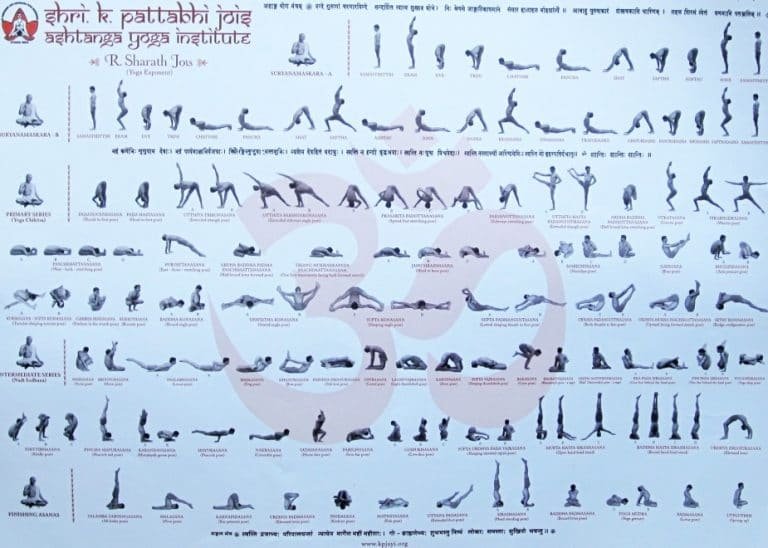
Ashtanga yoga asanas names & meanings. Yogasana poses of first series
Navasana (Boat Pose)
Sitting balanced on your sit bones, legs and torso lifted in a V-shape, Navasana torches the core like a furnace. Repeated in sets, it amps up abdominal heat exponentially. I used to dread the five reps in Primary Series, but now it’s my go-to for that inner strength boost—transformative stuff.
- Steps: Sit with knees bent, lean back, lift feet, extend arms parallel to floor.
- Benefits: Tones abs and hip flexors; improves digestion and kidney function.
- Where to Get Started: Online platforms like Omstars offer Ashtanga tutorials .
Bhujapidasana (Shoulder-Pressing Pose)
An arm balance where you squeeze knees over shoulders and lift off, this advanced gem builds massive upper body heat. It’s intense, demanding bandha engagement for lift-off. My first successful hover? Elation mixed with exhaustion—proof that persistence pays in yoga.
- Steps: From squat, place hands on floor, hook knees over arms, cross ankles, lift feet.
- Benefits: Strengthens wrists, arms, and core; boosts confidence and detox.
- Tips: Practice preparatory poses like Malasana to open hips first.
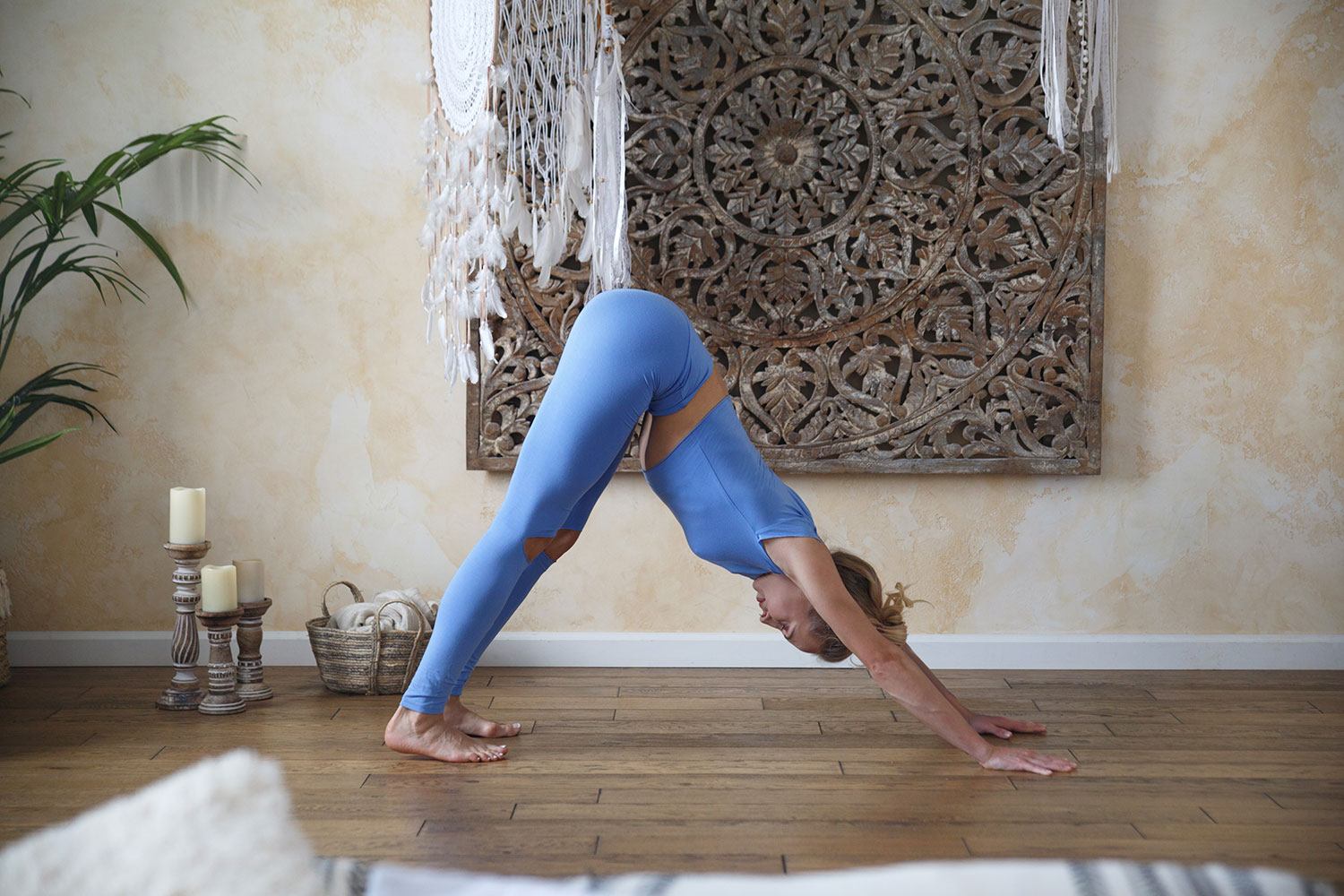
Ashtanga Yoga Poses: A Beginner’s Guide to the Primary Series …
Comparing Ashtanga to Other Yoga Styles
Ashtanga stands out for its fixed sequence and vigorous pace, unlike the slower, alignment-focused Iyengar or the creative flows of Vinyasa. While Hatha might ease you in gently, Ashtanga dives deep into heat-building for faster transformations. If you’re after intensity, it’s unmatched, but blend with restorative yin for balance—my hybrid routine keeps things sustainable.
Pros and Cons of Intense Ashtanga Practice
Diving into these poses? Here’s the real talk.
- Pros: Rapid heat generation for detox; builds discipline and mental toughness; enhances overall fitness.
- Cons: Risk of overuse injuries if not mindful; can be intimidating for newbies; requires consistent practice to see progress.
People Also Ask (PAA) Section
Drawing from common Google queries, here are answers to what folks often wonder about Ashtanga poses.
What are the 8 limbs of Ashtanga yoga?
Ashtanga’s “eight limbs” include yama (ethics), niyama (self-discipline), asana (poses), pranayama (breath control), pratyahara (sensory withdrawal), dharana (concentration), dhyana (meditation), and samadhi (enlightenment). They form a holistic path beyond just physical practice.
Is Ashtanga yoga good for beginners?
Absolutely, but start slow with modified classes. It’s challenging, yet the structured sequence builds skills progressively—pair with a teacher for safe entry.
How many poses are in the Ashtanga Primary Series?
Around 75 poses, including sun salutations, standing, seated, and finishing sequences. Focus on quality over quantity.
What is the hardest pose in Ashtanga?
Many say arm balances like Bhujapidasana or deep backbends, but it varies—flexibility folks might struggle with strength poses, and vice versa.
How long should I hold each Ashtanga pose?
Typically five breaths per pose, syncing with ujjayi for rhythm and heat.
Integrating These Poses into Your Routine
To make this practical, weave these eight into a mini-sequence: Start with sun salutes, flow through the warriors and angles, then seated burners like Navasana. Practice 3-6 times weekly for optimal heat benefits. For gear, invest in breathable attire from Lululemon —their Align pants handle the sweat like champs.
The Transformative Power Beyond the Mat
Wrapping up, these poses aren’t just about getting hot—they’re about forging resilience. From my sweaty beginnings to now leading small groups, Ashtanga has heated up my life in ways I never expected. It detoxes the body, clears the mind, and sparks that inner glow. Give them a try, modify as needed, and watch the magic unfold. Namaste—stay fiery!
FAQ
Can Ashtanga yoga help with weight loss?
Yes, its high-intensity flows burn calories and build muscle, aiding metabolism. Pair with diet for best results, as I’ve seen in my own journey dropping stubborn pounds.
What’s the difference between Ashtanga and Vinyasa yoga?
Ashtanga follows a fixed series; Vinyasa is more freestyle. Both heat up, but Ashtanga’s discipline offers deeper progression.
How do I avoid injury in intense Ashtanga poses?
Warm up thoroughly, use props, and listen to your body. A good teacher, like those at certified studios (internal link: /find-ashtanga-teachers), is key.
Is Ashtanga suitable for older adults?
With modifications, definitely—focus on breath and alignment over depth. I’ve practiced with folks in their 60s who thrive.
Where can I find free Ashtanga resources?
YouTube channels like Yoga with Adriene offer intros, or apps like Down Dog for customized flows .