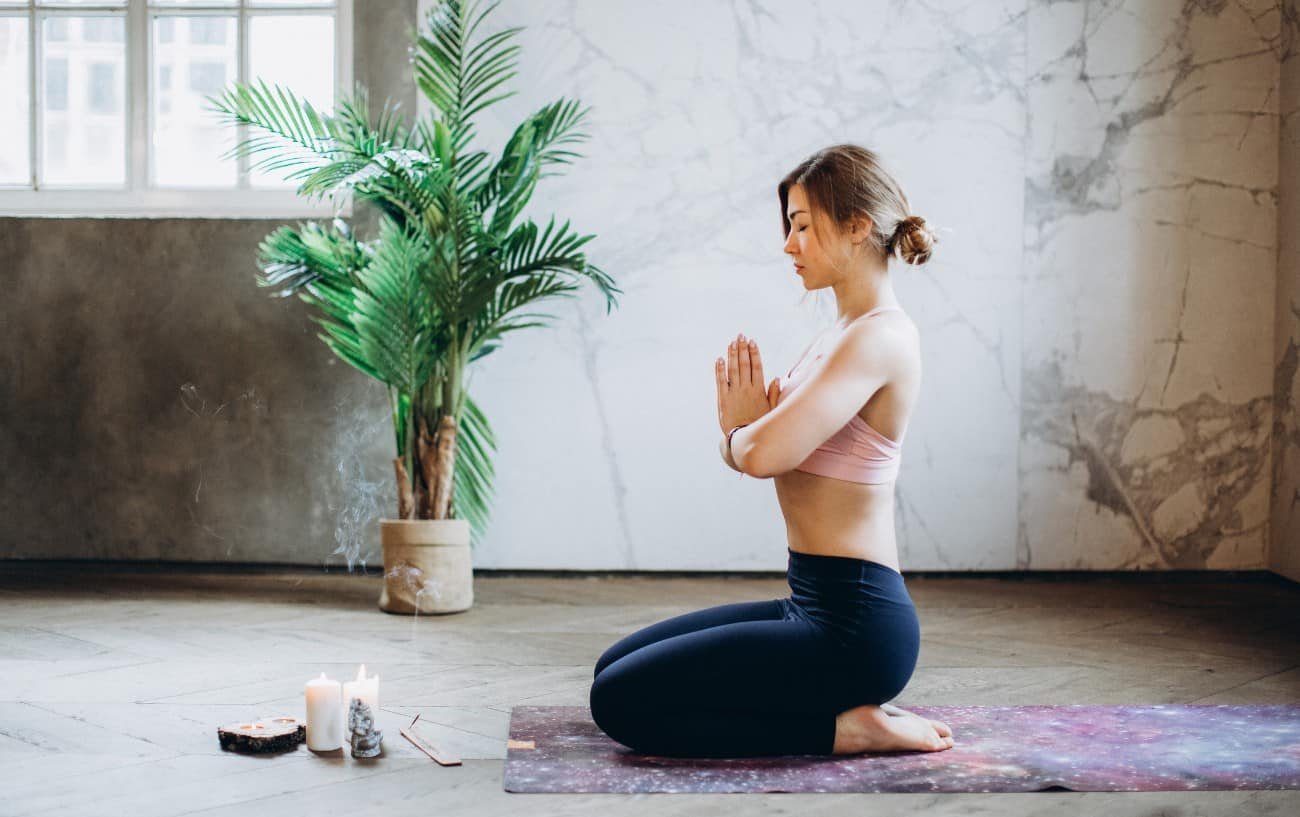
I remember my first Ashtanga class like it was yesterday—I walked in thinking it’d be a gentle stretch session, but left drenched in sweat, my muscles humming, and my mind oddly clear. That hook of challenge mixed with calm is what draws so many to this practice. Ashtanga Yoga, often called the “eight-limbed path,” isn’t just about twisting into pretzels; it’s a holistic system rooted in ancient wisdom that builds strength, focus, and inner peace. If you’re curious about diving in, this guide breaks it all down, from its history to how you can start today.
The Origins and History of Ashtanga Yoga
Ashtanga Yoga traces its roots back to the ancient Yoga Sutras of Patanjali, written around 200 CE, which outline the eight limbs as a blueprint for ethical living and self-realization. But the modern form we know today emerged in the 20th century in India, blending traditional philosophy with dynamic movement. It gained global popularity through dedicated teachers who spread its disciplined approach, making it a cornerstone for yogis seeking transformation.
Key Figures in Ashtanga Yoga
Tirumalai Krishnamacharya, often hailed as the father of modern yoga, developed the vinyasa flow that defines Ashtanga, drawing from ancient texts like the Yoga Korunta. His student, K. Pattabhi Jois, formalized it in Mysore, India, in 1948, emphasizing breath-synchronized sequences. Today, figures like Sharath Jois continue the lineage, adapting it slightly while honoring its core traditions.
How Ashtanga Evolved in the Modern World
From its Mysore origins, Ashtanga spread westward in the 1970s, attracting celebrities and athletes for its athletic appeal. Studios popped up worldwide, evolving from strict traditional classes to more accessible formats. Yet, it retains its essence— a rigorous path that demands commitment but rewards with profound personal growth.
Understanding the Eight Limbs of Yoga
The “Ashtanga” in Ashtanga Yoga refers to Patanjali’s eight limbs, a philosophical framework guiding yogis toward enlightenment. These aren’t just steps; they’re interconnected practices for ethical, physical, and mental harmony. While the physical poses (asana) get the spotlight, the full system includes moral guidelines and meditation for a balanced life.
Yama: Ethical Standards
Yama covers five principles like non-violence (ahimsa) and truthfulness (satya), encouraging kinder interactions with others. It’s like the yoga version of “do unto others”—simple but powerful for building character. Practicing these off the mat turns everyday choices into opportunities for growth.
Niyama: Personal Observances
Niyama focuses on self-discipline, including cleanliness (saucha) and contentment (santosha). These habits foster inner strength, like starting your day with gratitude to shake off negativity. They’re the quiet backbone that supports the flashier physical practice.
Asana: Physical Postures
Asana, the postures we associate with yoga, builds a strong, flexible body as a foundation for deeper limbs. In Ashtanga, they’re linked with breath for flow, turning exercise into moving meditation. It’s not about perfection; it’s about steady effort that quiets the mind.
Pranayama: Breath Control
Pranayama teaches controlled breathing to harness life energy (prana). Deep, even breaths during practice calm the nervous system and boost focus. Think of it as fueling your inner fire—without it, the poses lose their magic.
Pratyahara: Sensory Withdrawal
Pratyahara means tuning out distractions to turn inward. In a busy world, it’s like hitting mute on notifications during class. This limb sharpens awareness, preparing you for concentration in chaotic moments.
Dharana: Concentration
Dharana hones single-pointed focus, often through drishti (gaze points) in Ashtanga. Staring at your thumb in a balance pose? That’s it—training the mind to stay put amid wobbles. Over time, it spills into life, helping you tackle tasks without scattering.
Dhyana: Meditation
Dhyana is sustained meditation, flowing naturally from concentration. In Ashtanga, the rhythmic practice becomes meditative, quieting mental chatter. It’s that blissful “zone” where time fades, offering glimpses of true peace.
Samadhi: Enlightenment
Samadhi, the ultimate union with the divine, is the goal—total absorption beyond ego. Rare in daily life, but Ashtanga glimpses it through dedicated practice. It’s the “aha” moment when everything aligns, leaving you transformed.
Principles of Ashtanga Yoga Practice
Ashtanga’s magic lies in its core principles: tristhana (three focuses) and vinyasa (breath-movement sync). These create internal heat for purification, while bandhas (energy locks) channel vitality. It’s a system that demands presence, turning sweat into spiritual fuel.
Tristhana: Breath, Posture, Gaze
Tristhana unites ujjayi breath (deep, audible inhales/exhales), asana (postures), and drishti (gaze). Breath steadies the mind, postures build strength, and gaze sharpens focus. Together, they create a meditative flow, blocking distractions like a mental shield.
Vinyasa and Bandhas
Vinyasa links poses with breath, generating heat to detoxify. Bandhas—mula (root), uddiyana (abdominal), and jalandhara (throat)—lock energy, stabilizing the core. They’re like invisible threads weaving power through your practice, preventing leaks.
The Role of Heat and Detoxification
The practice’s intensity builds tapas (inner heat), purifying the body like a forge. Sweat flushes toxins, while twists massage organs. It’s not just physical— it burns mental impurities too, leaving you lighter and clearer-headed.
The Ashtanga Yoga Sequences
Ashtanga features six series, starting with the Primary for beginners and advancing to complex poses. Each builds on the last, taught progressively in Mysore style. Mastery comes slowly, rewarding patience with deeper insights.
Primary Series: Yoga Chikitsa
The Primary Series, or “yoga therapy,” detoxifies and aligns the body with forward bends, twists, and hip openers. It takes 60-90 minutes, focusing on endurance. Beginners modify poses, building stamina over time for full expression.
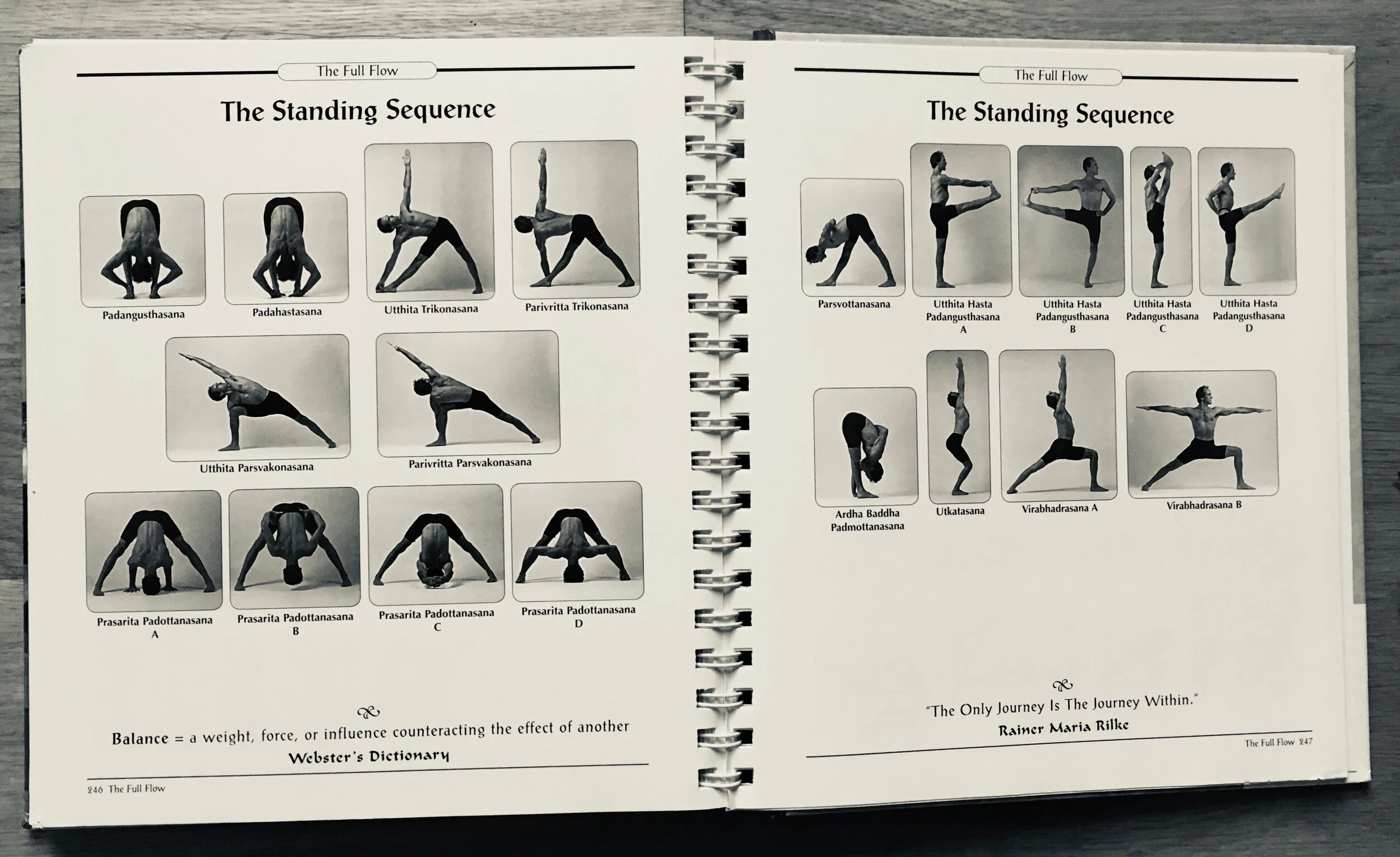
My Top 3 Tips for Learning the Ashtanga Yoga Sequence — Merchant …
Intermediate Series: Nadi Shodhana
Intermediate purifies the nervous system with backbends, arm balances, and deep stretches. It’s more intense, requiring Primary mastery. Practitioners report heightened energy and emotional release, like unclogging inner channels.
Advanced Series: Sthira Bhaga
Advanced A-D demand supreme strength and flexibility, with inversions and contortions. Split into four levels, they’re for seasoned yogis. They embody “centering strength,” testing humility as much as physical prowess.
| Sequence | Focus | Key Poses | Duration | Difficulty |
|---|---|---|---|---|
| Primary | Detox & Alignment | Sun Salutations, Forward Bends, Twists | 60-90 min | Beginner-Intermediate |
| Intermediate | Nerve Purification | Backbends, Leg Behind Head | 90 min+ | Advanced |
| Advanced A | Strength & Balance | Arm Balances, Deep Backbends | Varies | Expert |
| Advanced B | Endurance | Complex Twists, Inversions | Varies | Expert |
| Advanced C/D | Mastery | Extreme Poses | Varies | Elite |
Ashtanga Yoga for Beginners
Don’t let the intensity scare you—Ashtanga welcomes newcomers with modifications. Start with Sun Salutations to build basics, and remember, progress is personal. I once struggled with basic stands, but consistency turned weakness into strength—yours can too.
Is Ashtanga Suitable for Newbies?
Yes, with guidance. It’s challenging but modifiable; beginners shorten sequences or use props. Avoid ego-driven pushes to prevent injury. A good teacher tailors it, making it accessible and fun despite the sweat.
Common Beginner Mistakes and How to Avoid Them
Rushing poses ignores breath, leading to fatigue. Focus on steady inhales/exhales instead. Overforcing flexibility causes strains—ease in gently. Humor helps: laugh off wobbles; they’re part of the journey.
Building a Home Practice
Set a quiet space with a mat and timer. Follow online guides for sequences, starting 20 minutes. Consistency beats perfection; even short sessions build habits. Track progress in a journal for motivation.
- Pros of Ashtanga for Beginners:
- Builds discipline and routine quickly.
- Noticeable strength gains in weeks.
- Meditative flow reduces stress.
- Cons:
- Risk of injury if unmodified.
- Time-intensive for full series.
- Less variety than other styles.
Benefits of Ashtanga Yoga
Ashtanga transforms body and mind, boosting flexibility while sharpening focus. Regular practice lowers blood pressure, strengthens muscles, and eases anxiety—it’s like therapy on a mat. One student shared how it pulled her from burnout, reigniting joy.
Physical Benefits
Increases core strength, tones muscles, and enhances endurance. The flow improves circulation, aiding detoxification. Over time, it corrects posture, reducing back pain—perfect for desk-bound folks.
Mental and Emotional Benefits
Calms the mind through breath focus, curbing overthinking. Builds resilience against stress, fostering contentment. Emotionally, it releases stored tension, often with cathartic tears or laughs mid-practice.
Spiritual Growth Through Ashtanga
Connects you to something bigger via the eight limbs. Samadhi moments offer profound peace, shifting perspectives. It’s not religious, but spiritual—nurturing self-awareness and compassion.
Differences Between Ashtanga and Other Yoga Styles
Ashtanga stands out for its fixed sequences versus Vinyasa’s creative flows. Both sync breath with movement, but Ashtanga’s structure builds discipline, while Vinyasa allows variety. Choose based on your need for routine or freedom.
Ashtanga vs. Vinyasa Yoga
Ashtanga follows set series; Vinyasa varies class-to-class. Ashtanga is self-paced in Mysore style; Vinyasa is often led. Both energize, but Ashtanga demands more commitment for progression.
Ashtanga vs. Hatha Yoga
Hatha is slower, holding poses longer for alignment. Ashtanga is dynamic, building heat quickly. Hatha suits gentle intros; Ashtanga appeals to those craving intensity.
Ashtanga vs. Bikram Yoga
Bikram uses hot rooms with 26 poses; Ashtanga generates internal heat in normal temps with evolving series. Bikram is scripted; Ashtanga adapts personally.
| Style | Pace | Sequence | Environment | Best For |
|---|---|---|---|---|
| Ashtanga | Fast, Flowing | Fixed Series | Normal Temp | Discipline Seekers |
| Vinyasa | Variable | Creative | Varies | Variety Lovers |
| Hatha | Slow, Static | Flexible | Calm | Beginners |
| Bikram | Moderate | Fixed 26 Poses | Hot (105°F) | Detox Enthusiasts |
How to Start Your Ashtanga Yoga Journey
Find a local studio via apps like ClassPass or search “Ashtanga classes near me.” Online platforms offer virtual Mysore sessions. Invest in a non-slip mat and breathable clothes—essentials for grip and comfort.
Finding Classes and Teachers
Look for certified instructors via the Sharath Yoga Centre directory. Attend intro workshops to test fit. Good teachers adjust for your level, creating safe, supportive spaces.
Essential Gear and Tools
A quality yoga mat (Manduka or Jade) prevents slips. Blocks and straps aid modifications. Books like “Yoga Mala” by Pattabhi Jois guide philosophy—great for home study.
Online Resources and Apps
Apps like Ashtanga Yoga App track sequences. Websites like Yoga Journal offer free tutorials. For premium, try Glo or Alo Moves with guided classes.
People Also Ask
Drawing from common Google queries, here are answers to what folks often wonder about Ashtanga.
What is the difference between Ashtanga and Vinyasa yoga?
Ashtanga uses fixed sequences for progressive mastery; Vinyasa flows creatively without set order. Both link breath to movement, but Ashtanga emphasizes tradition and discipline.
Is Ashtanga Yoga good for beginners?
Absolutely, with modifications. It builds foundations steadily, though it’s intense—start slow to avoid overwhelm.
What are the benefits of Ashtanga Yoga?
It strengthens body, calms mind, and detoxifies. Expect better flexibility, reduced stress, and spiritual insights.
How often should you practice Ashtanga Yoga?
Traditionally six days a week, but beginners can aim for 3-4. Consistency trumps frequency.
Can Ashtanga Yoga help with weight loss?
Yes, its cardio-like flow burns calories while building muscle. Pair with mindful eating for best results.
FAQ
How long does a full Ashtanga Primary Series take?
Typically 60-90 minutes, depending on pace. Beginners might shorten it to 45 minutes initially.
Do I need to be flexible to start Ashtanga?
No—flexibility comes with practice. It’s more about breath and effort than starting bendy.
What’s the best time to practice Ashtanga?
Early morning, on an empty stomach, aligns with tradition for energy and focus.
Can pregnant women practice Ashtanga?
With modifications after the first trimester, under guidance. Avoid intense twists and consult a doctor.
Where can I buy Ashtanga Yoga books?
Amazon or yoga sites like YogaOutlet. Start with “Ashtanga Yoga: The Practice Manual” by David Swenson.
Ashtanga Yoga isn’t a quick fix—it’s a lifelong companion that challenges and comforts. Whether you’re seeking sweat or serenity, it delivers. Give it a try; you might just find that missing piece.