Hey there, fellow seeker of calm in this chaotic world. Picture this: It’s a crisp morning, and I’m rolling out my mat in a sunlit studio, heart pounding a bit because I’m about to dive into something new. That was me, years ago, stepping into my first Vinyasa class. I thought yoga was all about holding still poses and chanting “om,” but oh boy, was I in for a surprise. The teacher guided us through flows that synced with our breaths, and by the end, I felt like I’d run a marathon while meditating. If you’ve ever wondered what makes Vinyasa so addictive—its rhythm, its sweat, its soul—stick around. This deep dive will walk you through everything, from its ancient roots to how you can start flowing today. Whether you’re a total newbie or looking to spice up your practice, let’s unravel this powerful style together.
What is Vinyasa Yoga?
Vinyasa Yoga stands out as a dynamic practice where movements flow seamlessly from one pose to the next, all tied together by your breath. It’s like a dance on the mat, where each inhale and exhale dictates the pace, building heat and energy in your body. Often called “flow yoga,” it emphasizes fluidity over static holds, making it feel alive and invigorating.
This style draws from the Sanskrit word “vinyasa,” meaning “to place in a special way,” which perfectly captures how poses are linked thoughtfully. Unlike slower forms, Vinyasa keeps you moving, challenging your focus and endurance. It’s accessible yet scalable—beginners can modify, while pros amp up the intensity.
The History and Origins of Vinyasa Yoga
Tracing back to around 200 B.C., Vinyasa’s foundations lie in Patanjali’s Yoga Sutras, which outlined an eight-limbed path blending physical, mental, and spiritual elements. But the modern flow we know evolved in the 20th century through Sri Tirumalai Krishnamacharya, often hailed as the father of contemporary yoga. He taught students like Pattabhi Jois, who formalized Ashtanga, influencing Vinyasa’s breath-movement sync.
Krishnamacharya’s innovative approach adapted ancient texts to individual needs, spreading from India to the West in the 1980s. Teachers like Shiva Rea and Baron Baptiste popularized it, turning it into a global phenomenon. Today, it’s a staple in studios worldwide, evolving with cultural twists.
Benefits of Practicing Vinyasa Yoga
Diving into Vinyasa isn’t just about looking good in leggings—it’s a powerhouse for your overall well-being. Regular flows build physical strength, torch calories, and sharpen mental clarity, leaving you energized rather than drained. Science backs it: studies show it reduces stress hormones while boosting endorphins, that feel-good rush.
Emotionally, it’s my go-to for shaking off a bad day; the rhythmic breathing acts like a reset button. Plus, it fosters mindfulness, helping you stay present amid life’s whirlwinds. Don’t underestimate the community vibe either—classes often feel like a supportive tribe.
Physical Benefits
Vinyasa cranks up your heart rate, making it a sneaky cardio workout disguised as zen time. It strengthens core muscles, improves balance, and enhances flexibility through constant motion. Over time, you’ll notice better posture and fewer aches from desk life.
Mental and Emotional Perks
The breath focus quiets the monkey mind, reducing anxiety and promoting better sleep. I’ve had days where a quick flow turned my mood from grumpy to grateful—it’s like therapy without the couch. It builds resilience too, teaching you to flow through challenges on and off the mat.
Long-Term Health Advantages
Consistent practice lowers blood pressure, supports weight management, and even bolsters immunity. Research from sources like Yoga Journal highlights its role in preventing chronic issues like heart disease. It’s not a cure-all, but it’s a solid ally in aging gracefully.
- Pros of Vinyasa Yoga:
- Boosts cardiovascular health with flowing sequences.
- Enhances muscle tone without bulky weights.
- Improves focus and reduces stress levels.
- Adaptable for all fitness levels.
- Cons of Vinyasa Yoga:
- Can be intense for beginners, risking strain.
- Faster pace might overlook alignment details.
- Requires good breath control, which takes practice.
- Not ideal if you prefer slower, restorative styles.
Vinyasa Yoga vs. Other Styles: A Comparison
Vinyasa shines in its fluidity, but how does it stack up against cousins like Hatha or Ashtanga? Let’s break it down—each style has its flavor, and knowing the differences helps you pick what resonates. I once tried Hatha after a Vinyasa binge and felt like I’d slowed to a crawl, but it taught me patience.
Hatha is gentler, focusing on static poses for alignment and relaxation, ideal for unwinding. Vinyasa amps the energy with continuous flows, building heat faster. Ashtanga follows fixed sequences, more rigid than Vinyasa’s creative freedom.
Power Yoga, often confused with Vinyasa, cranks the intensity with strength moves, like a gym session on the mat. Yin Yoga contrasts by holding poses longer for deep tissue release—think Vinyasa’s chill counterpart.
| Style | Pace | Focus | Best For |
|---|---|---|---|
| Vinyasa | Fast, flowing | Breath-movement sync | Building strength and cardio |
| Hatha | Slow, steady | Alignment and basics | Beginners or relaxation |
| Ashtanga | Structured, vigorous | Fixed series | Discipline and endurance |
| Yin | Very slow, passive | Deep stretches | Recovery and flexibility |
| Power | High-intensity | Strength building | Fitness enthusiasts |
This table shows Vinyasa’s middle-ground appeal—energetic yet mindful. If you’re athletic, it might edge out slower styles; for recovery, pair it with Yin.
How to Get Started with Vinyasa Yoga as a Beginner
Jumping into Vinyasa can feel daunting, like learning to ride a bike in traffic, but start simple and you’ll flow in no time. I remember fumbling through my first sun salutation, arms shaking, but persistence paid off. Begin with short sessions, focusing on breath over perfection.
Find a quiet space, grab a mat, and wear comfy clothes that move with you. Warm up with gentle stretches to avoid pulls—think cat-cow or neck rolls. Listen to your body; modify poses like using knees in planks.
Online tutorials are gold for newbies; they let you pause and rewind. Build consistency with 20-minute practices thrice weekly. Over time, you’ll crave that post-flow glow.
Essential Gear for Beginners
You don’t need fancy props, but a non-slip mat is key to avoid sliding mid-downward dog. Blocks and straps help with reach, especially if flexibility’s a work-in-progress. A water bottle keeps you hydrated during sweaty flows.
Common Mistakes to Avoid
Rushing breaths leads to dizziness—sync them deliberately. Ignoring form invites injury; keep shoulders relaxed. Don’t compare to others; your practice is personal, like that awkward first date that turns magical.
Essential Vinyasa Yoga Poses and Sequences
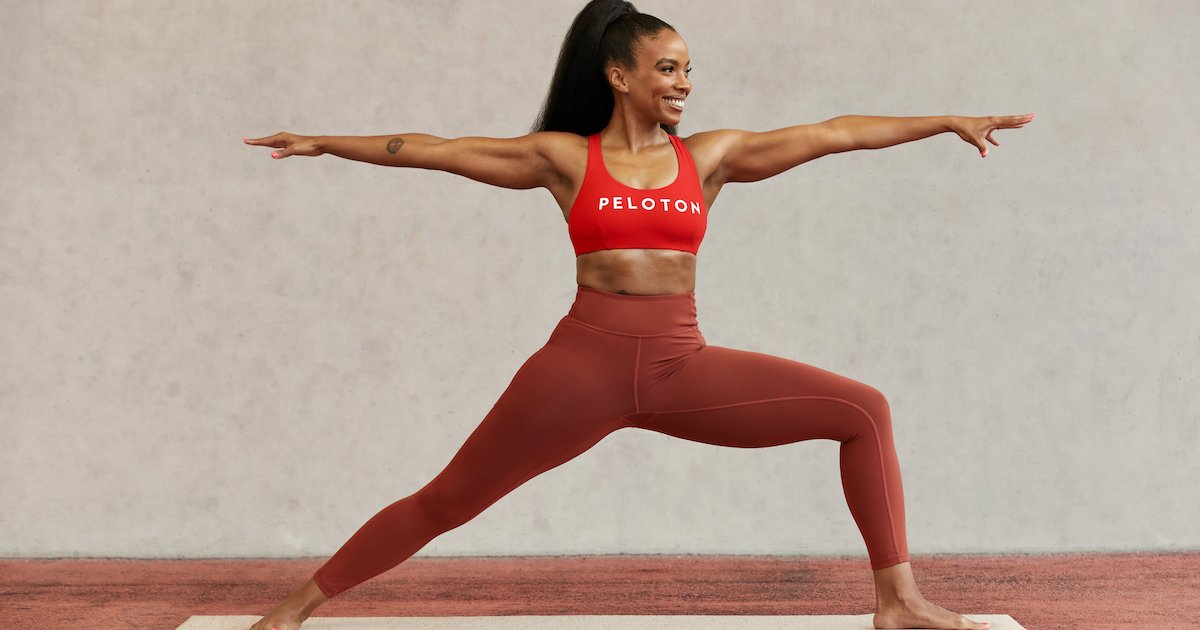
At Vinyasa’s heart are poses strung like pearls, creating sequences that challenge and restore. Core ones include downward dog for hamstring stretches and warrior for leg strength. Flows often start with sun salutations, warming the body efficiently.
A basic sequence: Begin in mountain pose, inhale arms up, exhale forward fold. Flow to plank, lower to chaturanga, up to upward dog, back to down dog. Repeat, adding twists for variety. It’s meditative yet empowering.
- Beginner Sequence Steps:
- Stand tall in Tadasana, grounding feet.
- Inhale, reach arms overhead to Urdhva Hastasana.
- Exhale, fold forward into Uttanasana.
- Step back to plank, hold for breaths.
- Lower knees-chest-chin for modified chaturanga.
- Arch into cobra, then push to downward dog.
- Step forward, rise to mountain—repeat 5 times.
For intermediates, layer in lunges or balances like tree pose. Sequences vary by teacher, but the breath remains the thread. Practice mindfully to prevent strain.
Where to Find the Best Vinyasa Yoga Resources
Ready to roll out your mat? Local studios offer immersive classes, but online options bring the flow home. I discovered Yoga with Adriene during a busy phase—her free YouTube videos felt like a personal coach, blending guidance with warmth.
For structured programs, check Glo or Alo Moves; they have expert-led sessions from beginner to advanced. Apps like Down Dog customize flows based on your mood or time.
If transactional vibes call, invest in quality mats from Manduka or classes via ClassPass for variety. External resources like Yoga Journal provide free sequences, while internal links to our beginner guides keep you progressing.
Navigational wise, search “Vinyasa classes near me” on Google Maps for studios. Books like “Light on Yoga” by B.K.S. Iyengar offer deeper dives.
People Also Ask: Common Questions About Vinyasa Yoga
Diving into search trends, folks often wonder about Vinyasa’s basics and perks. Based on real Google queries, here’s the scoop.
What is the difference between Vinyasa and Power Yoga?
Power Yoga is a subset of Vinyasa, ramping up speed and strength with one-breath-per-movement flows. Vinyasa allows more variety and breath holds, feeling less gym-like. Both build heat, but Power’s intensity suits fitness buffs.
Is Vinyasa Yoga good for beginners?
Absolutely, with modifications. Start slow to build confidence—it’s forgiving if you listen to your body. Many classes label levels, so opt for beginner-friendly ones to avoid overwhelm.
What are the benefits of Vinyasa Yoga?
It boosts strength, flexibility, and heart health while slashing stress. The flow improves focus and energy, making it a holistic win for body and mind.
How does Vinyasa differ from Ashtanga?
Ashtanga sticks to set sequences, more disciplined. Vinyasa offers creative freedom, varying class to class for fresh challenges.
FAQ: Answering Your Vinyasa Queries
Can Vinyasa Yoga help with weight loss?
Yes, its cardio element burns calories effectively. Pair with diet for best results—I’ve shed pounds combining flows with mindful eating.
How often should I practice Vinyasa?
Aim for 3-5 times weekly to see gains without burnout. Rest days allow recovery, keeping you hooked long-term.
Is Vinyasa suitable for seniors?
With adaptations, sure—gentler flows build balance and mobility. Consult a doctor first, and choose senior-specific classes.
What if I’m not flexible enough for Vinyasa?
Flexibility comes with time; props help bridge gaps. It’s about progress, not perfection—everyone starts somewhere.
Where can I buy Vinyasa Yoga gear?
Online spots like Amazon or Lululemon stock mats and apparel. For eco-friendly options, try Jade Yoga.
Wrapping up, Vinyasa isn’t just exercise—it’s a journey that syncs your inner rhythm with the world’s pulse. From that first shaky flow to mastering sequences, it’s transformed how I move through life. Give it a shot; you might find your own powerful flow waiting. Namaste.