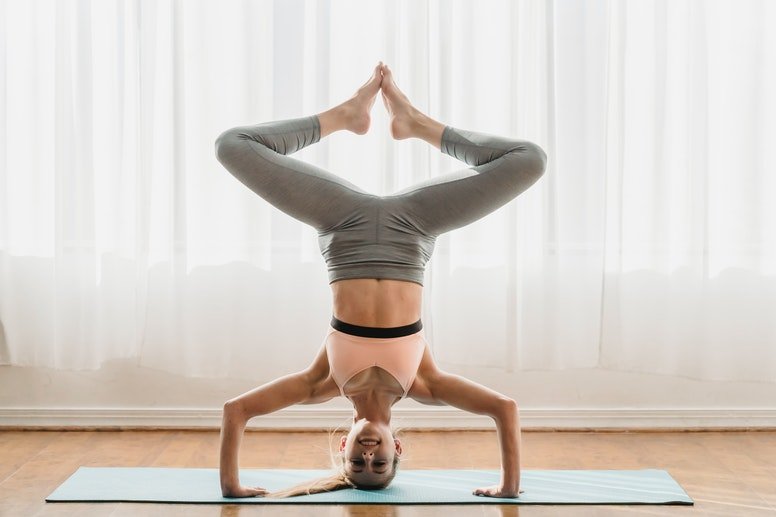
Imagine this: It’s a crisp morning, and I’m unrolling my mat in a dimly lit studio, the kind where the air smells faintly of incense and fresh sweat. My mind’s racing from the chaos of daily life—emails piling up, that endless to-do list. But as I sync my breath with the first flow, everything shifts. That’s the magic of Vinyasa yoga for me. It’s not just exercise; it’s a moving meditation that transformed how I feel in my body and mind. If you’ve ever felt stuck in a rut or curious about yoga that feels like a dance, stick around. We’re diving deep into why Vinyasa might just be the game-changer you need.
What is Vinyasa Yoga?
Vinyasa yoga, often called “flow yoga,” is all about linking breath with movement in a seamless sequence. Picture transitioning from one pose to the next like waves rolling in—inhale to rise, exhale to fold. It’s dynamic, unlike static holds in other styles, and draws from ancient traditions while feeling modern and accessible.
This practice emphasizes ujjayi breathing, that oceanic sound in your throat, which keeps you grounded amid the flow. Classes vary by teacher, but expect sun salutations as a staple, building heat and energy. It’s customizable, making it perfect for tweaking to your level.
At its core, Vinyasa means “to place in a special way,” referring to intentional pose arrangements. It’s invigorating yet mindful, blending strength-building with relaxation. No wonder it’s exploded in popularity worldwide.
A Brief History of Vinyasa Yoga
Vinyasa traces back to ancient India, evolving from Hatha yoga in the early 20th century through teachers like Krishnamacharya. He influenced modern icons like Pattabhi Jois and B.K.S. Iyengar, who shaped Ashtanga—a structured Vinyasa precursor.
In the West, it gained traction in the 1980s, morphing into creative flows. Today, it’s a staple in studios, blending tradition with innovation. Think of it as yoga’s rebellious child, breaking from rigid sequences for personal expression.
This evolution keeps Vinyasa fresh, appealing to those seeking both heritage and adaptability. It’s not frozen in time; it flows with culture.
Physical Benefits of Vinyasa Yoga
Vinyasa isn’t just gentle stretching—it’s a full-body workout that builds real strength and vitality. From my own practice, I’ve noticed how it reshapes your physique over time, without the grind of gym sessions. Let’s break down the key ways it supercharges your body.
Builds Strength and Core Stability
Every flow engages your core, from planks to twists, creating a solid foundation. Studies show this reduces back pain by stabilizing the spine. I recall struggling with weak abs post-injury; after consistent Vinyasa, I could hold poses longer, feeling empowered.
This strength isn’t bulky—it’s functional, aiding daily tasks like lifting groceries. Poses like chaturanga build upper body power too.
Core work prevents imbalances, keeping you injury-free. It’s like armor for your midsection.
Enhances Flexibility and Range of Motion
Vinyasa warms muscles through movement, allowing deeper stretches without force. Research highlights improved joint mobility, easing arthritis symptoms. Picture bending forward effortlessly— that’s the payoff.
For me, tight hamstrings from desk work loosened up, making runs less painful. It’s gradual, but transformative.
Better range means better posture and fewer aches. Who doesn’t want that?
Boosts Cardiovascular Health
The flowing pace elevates your heart rate, acting as light cardio. It lowers blood pressure and cholesterol, per scientific reviews. One class can burn 400-600 calories, supporting heart health.
I love how it feels like a workout without dread—breath keeps it sustainable. It’s ideal for those avoiding high-impact exercise.
Regular practice reduces heart disease risk, keeping your ticker happy.
Improves Balance and Coordination
Balancing poses like tree or warrior III challenge stability, sharpening proprioception. This cuts fall risks, especially for older folks. Don’t laugh if you wobble at first—it’s part of the fun.
In my experience, better balance spilled over to hiking, where I navigated trails confidently. It’s brain-training too.
Enhanced coordination makes movements graceful, boosting overall athleticism.
Increases Energy Levels and Vitality
Vinyasa releases endorphins, combating fatigue. It oxygenates blood, per studies on yoga’s energizing effects. Mornings after practice? I feel alive, not sluggish.
It’s like a natural coffee—without the crash. Poor posture drains energy; Vinyasa corrects it.
Sustained practice builds resilience, helping you power through days.
Supports Weight Management
The calorie burn aids weight loss, with research showing reduced body fat. Combined with mindfulness, it curbs emotional eating.
I shed a few pounds without dieting, just by flowing regularly. It’s sustainable, not extreme.
Metabolism boosts from muscle gain, keeping weight in check long-term.
Strengthens the Immune System
Flows activate lymphatics, flushing toxins and boosting white cells. Stress reduction further supports immunity.
During cold season, my practice kept sniffles at bay. It’s holistic defense.
Better circulation delivers nutrients, fortifying your body.
Enhances Lung Capacity and Breathing
Breath-focused moves expand lungs, improving respiratory health. Ujjayi builds diaphragm strength.
Asthma sufferers often report relief. For me, deeper breaths reduced anxiety.
It’s foundational—better breathing equals better life.
Mental and Emotional Benefits of Vinyasa Yoga
Beyond the physical, Vinyasa nurtures your inner world. It’s my go-to for mental clarity, turning chaos into calm. Here’s how it rewires your mind for the better.
Reduces Stress and Anxiety
The meditative flow quiets racing thoughts, lowering cortisol. One session can shift your mood.
I used it during a tough breakup—breath anchored me. It’s like therapy on a mat.
Consistent practice builds resilience against daily stressors.
Boosts Mood and Emotional Stability
Endorphins elevate happiness, while poses release stored emotions. It fosters positivity.
Humorously, after class, I’m less grumpy—my partner notices! It’s emotional reset.
Balances moods, reducing depression risks.
Improves Focus and Concentration
Mindful transitions sharpen attention, enhancing memory. Work productivity soars.
In my job, post-yoga meetings feel sharper. It’s mental training.
Reduces distractions, aiding decision-making.
Promotes Better Sleep
Releasing tension pre-bedtime eases insomnia. Avoid evening classes if energizing.
I sleep deeper now, waking refreshed. It’s natural lullaby.
Calms the mind, breaking worry cycles.
Enhances Body Image and Self-Acceptance
Non-judgmental practice builds compassion for your body. Focus on feeling, not looking.
It helped me embrace curves. Empowering shift.
Fosters gratitude for what your body can do.
Cultivates Mindfulness and Presence
Breath-movement sync keeps you in the now. Life feels richer.
During flows, worries fade. It’s portable zen.
Extends to daily life, improving relationships.
Vinyasa Yoga vs. Other Yoga Styles: A Comparison
Wondering how Vinyasa stacks up? Let’s compare it to popular styles. Each has unique vibes, so choose based on your goals.
| Style | Pace | Focus | Best For | Key Difference from Vinyasa |
|---|---|---|---|---|
| Hatha | Slow | Stretching, holds | Beginners, relaxation | Less flow, more static poses; emphasizes flexibility over cardio. |
| Ashtanga | Fast, fixed sequence | Strength, discipline | Advanced, routine lovers | Structured series vs. creative flows; more rigid. |
| Yin | Very slow, long holds | Deep tissue release | Recovery, flexibility | Passive vs. active; targets connective tissues. |
| Bikram | Hot, set poses | Detox, endurance | Heat enthusiasts | 26 poses in heat vs. varied, room-temp flows. |
Vinyasa shines for those wanting variety and energy. If you’re after calm, try Hatha first.
Transitions feel natural—Vinyasa bridges strength and serenity.
Pros and Cons of Vinyasa Yoga
Like anything, Vinyasa has upsides and drawbacks. Weigh them to see if it fits.
Pros
- Dynamic and engaging, keeping boredom at bay.
- Builds full-body strength and cardio in one go.
- Adaptable for all levels with modifications.
- Mental health boost through mindfulness.
- Community vibe in classes fosters connections.
Cons
- Fast pace risks injury if form slips.
- Not ideal for total beginners without guidance.
- Repetitive sequences can feel monotonous.
- Requires focus; distractions disrupt flow.
- Higher intensity might exhaust some.
Overall, pros outweigh cons with proper approach. Start slow to minimize risks.
Getting Started with Vinyasa Yoga: Tips for Beginners
Jumping in? Don’t fret—everyone starts somewhere. My first class was a comedy of errors, but persistence paid off. Here’s how to begin safely.
Focus on breath first; it’s your anchor. Inhale to expand, exhale to release.
Use props like blocks for support— no shame in mods.
Practice consistently, 2-3 times weekly, starting short.
Listen to your body; pain means stop.
Find a good teacher for alignment cues.
Warm up gently to avoid strains.
Stay hydrated and eat light before class.
Build a home routine with online videos.
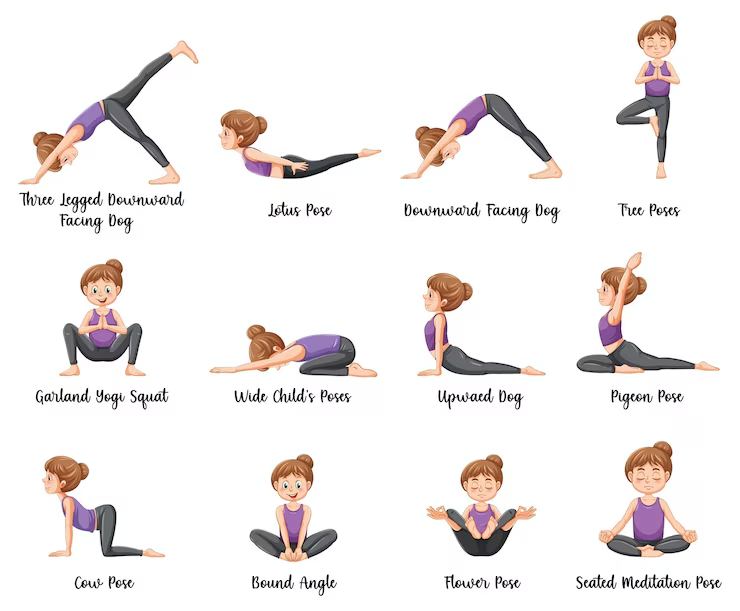
Boost your Strength and Flexibility with these Vinyasa Yoga Poses
Here’s a simple beginner flow: Start in mountain pose, flow to forward fold, plank, upward dog, downward dog. Repeat 5 times.
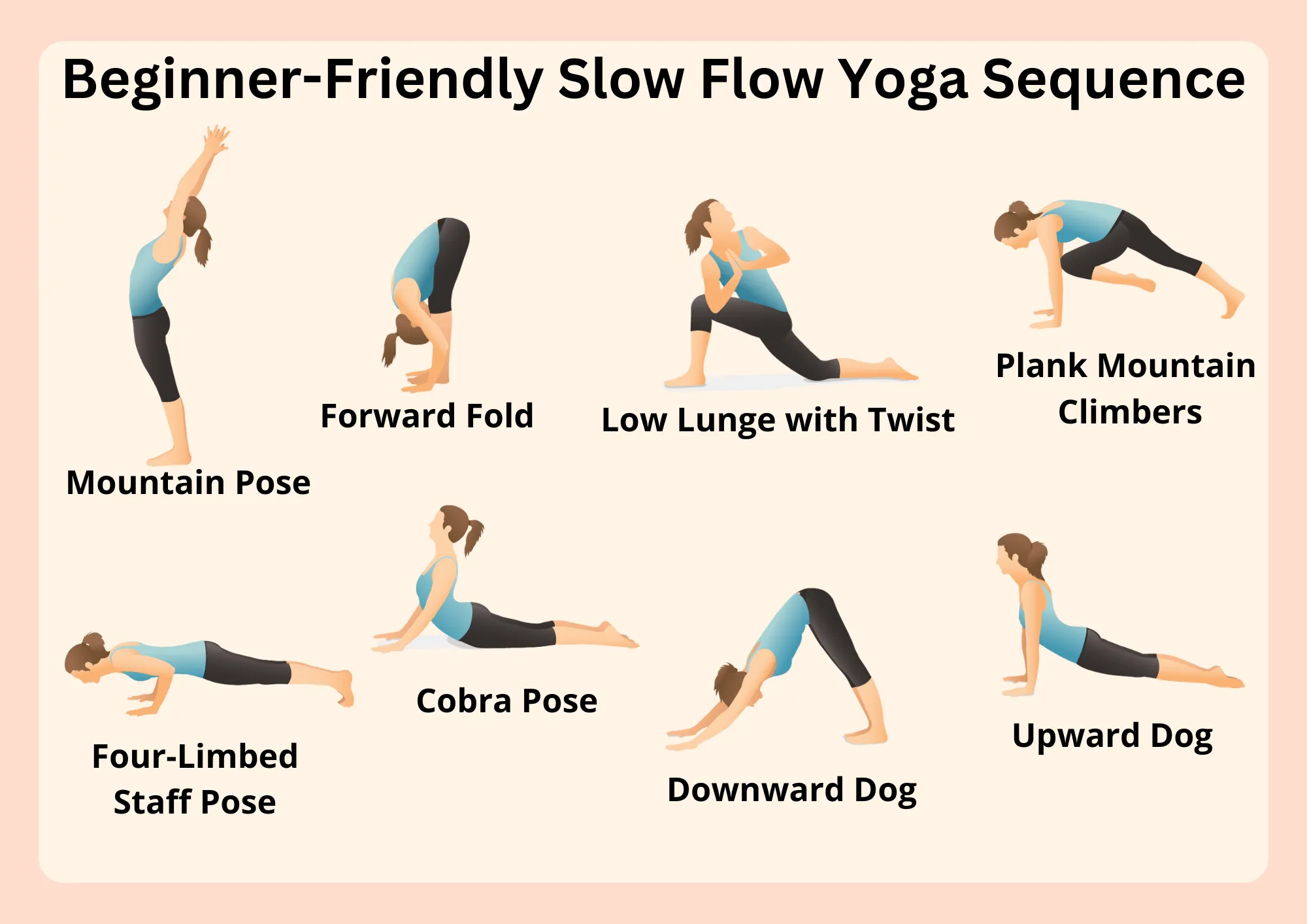
Slow Flow Yoga for Beginners to Stretch Deeply and Relax
Gradually add complexity. Patience is key.
Where to Practice Vinyasa Yoga
Ready to flow? Options abound. Local studios offer in-person energy—search “Vinyasa classes near me” on Google Maps.
For home, try online platforms. Yoga with Adriene on YouTube is free and beginner-friendly.
Paid gems: Alo Moves for polished flows, Glo for variety. Omstars streams live sessions.
Apps like Down Dog customize practices.
Books like “Light on Yoga” by Iyengar provide foundations. External link: Yoga Journal for tips.
Internal link: Check our beginner yoga guide.
Gear up with a non-slip mat from Manduka.
Join retreats for immersion—transformative!
People Also Ask
Drawing from common searches, here are real questions folks Google about Vinyasa benefits.
What is Vinyasa yoga good for?
It’s excellent for building strength, flexibility, and mental calm. Cardio perks help heart health too.
Is Vinyasa yoga suitable for beginners?
Yes, with modifications. Start slow to build confidence.
How does Vinyasa differ from Hatha?
Vinyasa is flowy and faster; Hatha holds poses longer for deeper stretches.
Can Vinyasa help with weight loss?
Absolutely—burns calories and boosts metabolism.
What are the mental benefits of Vinyasa?
Reduces stress, improves mood, sharpens focus.
These cover top curiosities, addressing info needs.
FAQ
How often should I practice Vinyasa for benefits?
Aim for 3-4 sessions weekly. Consistency trumps intensity.
Is Vinyasa better than other yogas for fitness?
It excels in cardio and strength, but choose based on goals.
What if I’m not flexible?
No problem—Vinyasa builds it over time. Start where you are.
Can Vinyasa help with back pain?
Yes, by strengthening core and improving posture.
Are there risks?
Overuse injuries if pushing too hard. Listen to your body.
Wrapping up, Vinyasa yoga’s benefits ripple through life, from stronger bodies to calmer minds. My journey started shaky, but now it’s essential. Give it a try—you might find your flow changes everything. Namaste.