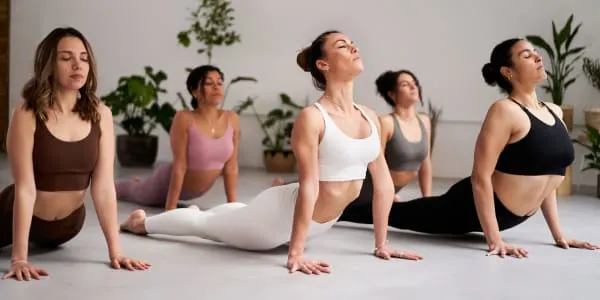
Imagine this: It’s a crisp morning, and I’m rolling out my mat in the living room, still half-asleep from a rough night. Back then, my body felt like it belonged to someone twice my age—stiff shoulders from hunching over a desk, and a mind racing like a hamster on a wheel. That’s when Hatha Yoga entered my life, not as some trendy fad, but as a quiet companion that slowly rebuilt me from the inside out. If you’re reading this, maybe you’re in a similar spot, curious about how this ancient practice can shift things for you. In this article, we’ll dive deep into five powerful benefits of Hatha Yoga for both your body and mind, backed by real insights and practical tips to get you started.
What is Hatha Yoga?
Hatha Yoga is all about balance—think of it as the yoga that unites the sun (“ha”) and moon (“tha”) energies within you, focusing on physical postures and breath to prepare for deeper meditation. Unlike faster styles, it emphasizes holding poses to build awareness and strength without rushing. From my own experience, it’s like a gentle conversation with your body, where you listen and respond rather than push through.
A Brief History of Hatha Yoga
Rooted in ancient India, Hatha Yoga emerged around the 15th century through texts like the Hatha Yoga Pradipika, blending physical techniques with spiritual goals to channel vital energy. It evolved from earlier tantric practices, gaining popularity in the West in the 20th century thanks to teachers like Swami Sivananda. Today, it’s the foundation for many modern yoga styles, adapting to our busy lives while staying true to its core of harmony.
How Hatha Differs from Other Yoga Styles
While Vinyasa flows like a dance linking breath to movement, Hatha takes it slower, holding poses to deepen stretches and build endurance—perfect if you’re not into high-intensity workouts. Iyengar focuses on precise alignment with props, but Hatha is more accessible, often incorporating pranayama (breathing) early on. In my early days, switching from Vinyasa to Hatha felt like trading a sprint for a scenic walk, allowing me to actually feel the changes happening.
The 5 Key Benefits of Hatha Yoga
Let’s get to the heart of it—these five benefits aren’t just buzzwords; they’re transformations I’ve seen in myself and others. We’ll break them down with real examples, science, and ways to experience them yourself.
Benefit 1: Enhanced Flexibility and Mobility
Picture your muscles as tight rubber bands—Hatha Yoga gently stretches them, increasing your range of motion over time and making everyday movements easier. Regular practice targets joints and connective tissues, reducing stiffness that comes from sitting all day or aging. One study showed that consistent Hatha sessions improved flexibility in participants by up to 35% within weeks, proving it’s not just feel-good talk.
I recall my first forward fold; my hamstrings screamed in protest, but after a month, I could touch my toes without wincing—small wins that added up to feeling more alive in my skin.
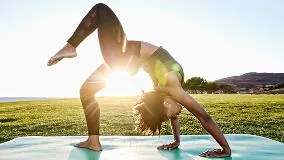
To visualize, here’s how poses like Downward Dog build flexibility:
How Practicing Yoga Benefits Your Daily Health | Everyday Health
Poses That Boost Flexibility
Mountain Pose starts simple, aligning your posture to open up tight areas. Forward Fold releases the back and legs, easing tension from daily stress. Child’s Pose offers a restorative stretch for the hips and spine, inviting relaxation amid the effort.
Benefit 2: Built Strength and Better Balance
Hatha isn’t just about bending; it’s a sneaky strength-builder, using your body weight in poses like Warrior II to tone muscles without gym equipment. This leads to improved balance, crucial for preventing falls as we age or during active pursuits. Research from Harvard highlights how yoga strengthens core and limbs, enhancing overall stability.
A friend of mine, a runner in her 40s, added Hatha to her routine and noticed her trail runs felt steadier—no more ankle twists on uneven ground. It’s that quiet power that creeps up on you.
Check out this comparison of strength-building poses:
| Pose | Targeted Muscles | Balance Benefit |
|---|---|---|
| Plank | Core, arms, shoulders | Builds stability for daily tasks |
| Tree Pose | Legs, ankles | Improves focus and one-legged balance |
| Boat Pose | Abs, back | Enhances endurance for better posture |
Pros and Cons of Strength Training via Hatha
Pros: Low-impact, accessible anywhere, combines with mindfulness for dual gains. Cons: Slower progress than weights, requires consistency to see results.
Benefit 3: Stress Reduction and Mental Clarity
In our always-on world, Hatha Yoga acts like a reset button, using breathwork and holds to lower cortisol levels and clear mental fog. It fosters mindfulness, helping you stay present instead of spiraling into worries. A scientific review found yoga reduces stress markers, with Hatha specifically calming the nervous system for better focus.
During a tough work period, I turned to evening Hatha sessions—simple breathing in Corpse Pose melted away the day’s chaos, leaving me sharper the next morning. It’s funny how something so still can quiet the loudest inner noise.
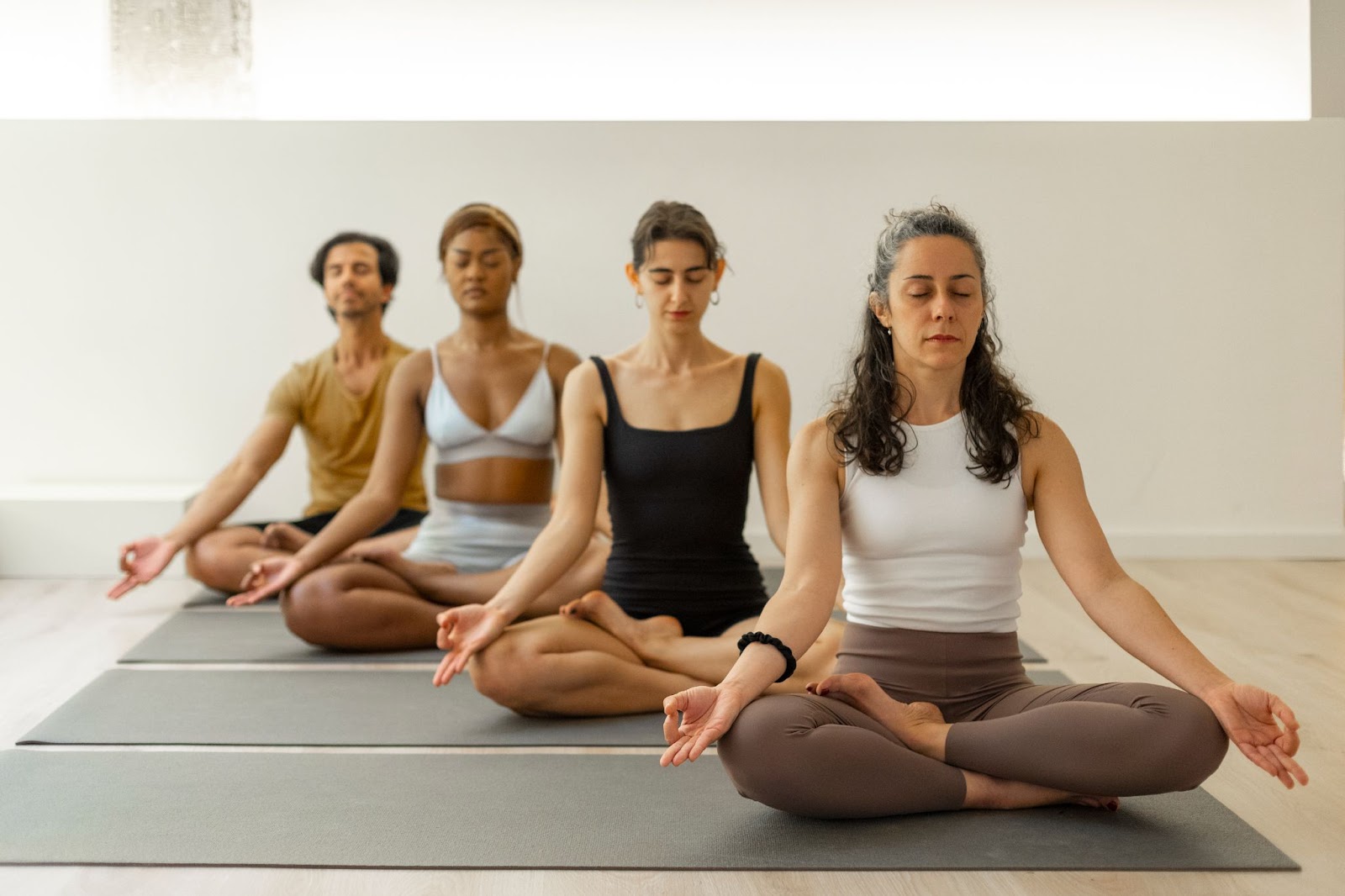
For mental relaxation in action:
Hatha Yoga Guide: Origins, Benefits & Practice Fundamentals
Techniques for Daily Stress Relief
Alternate Nostril Breathing balances emotions quickly. Seated Meditation in Easy Pose sharpens clarity without overwhelming beginners. Legs-Up-the-Wall Pose inverts stress, promoting calm blood flow to the brain.
Benefit 4: Improved Emotional Regulation
Hatha teaches you to observe feelings without reacting, building resilience against anxiety and mood swings through poses that release stored tension. It boosts endorphins and GABA, neurotransmitters linked to stable moods. Studies on Hatha interventions show reduced emotional eating and better distress tolerance in stressed individuals.
I once dealt with post-breakup blues; Hatha helped me process without numbing out—twists like Revolved Triangle literally wrung out the heaviness, making space for lighter days.
Here’s a pros/cons list for emotional benefits:
- Pros: Natural mood lifter, no side effects, integrates with therapy.
- Cons: Takes time to feel effects, not a quick fix for severe issues.
Benefit 5: Overall Well-Being and Disease Prevention
Beyond isolated gains, Hatha supports holistic health, from better sleep to stronger immunity, by regulating the body’s systems. It lowers inflammation, aids digestion, and even helps manage chronic conditions like hypertension. Long-term practitioners report fewer illnesses, with research backing yoga’s role in cardiovascular health.
My aunt, battling arthritis, found Hatha eased her pain and boosted her energy—proving it’s not just for the young or fit, but a lifelong ally.
Compare Hatha to other wellness practices:
| Practice | Focus | Hatha Edge |
|---|---|---|
| Running | Cardio | Adds mindfulness without joint strain |
| Meditation | Mind | Includes physical prep for deeper states |
| Weightlifting | Strength | Holistic, with mental health perks |
Scientific Backing for Hatha Yoga Benefits
Diving into the evidence, a study on Hatha for older adults found it improves fitness metrics like strength and flexibility, with moderate intensity suitable for all ages. Another on college students showed 40-minute sessions reduce stress markers instantly. For mental health, Harvard notes yoga preserves brain structure, countering age-related decline. An 8-week intervention boosted distress tolerance, mediating emotional eating reductions.
These aren’t isolated findings; consistent practice yields measurable changes, like enhanced GABA for mood stability.
How to Get Started with Hatha Yoga
Starting doesn’t require fancy gear—just curiosity and a mat. Begin with 20-minute sessions, focusing on breath to avoid strain.
Beginner Poses to Try at Home
Downward Dog strengthens while stretching—hold for five breaths. Cat-Cow warms the spine, alternating arches for fluidity. Corpse Pose ends sessions, letting benefits sink in.
For visual guidance:
9 Types of Yoga and Their Benefits for Physical and Mental Health …
Where to Find Hatha Classes
Online platforms like Yoga International offer flexible schedules—try their free trial for structured flows. Local studios often have beginner series; check apps like ClassPass for options near you.
Best Tools and Resources
Invest in a non-slip mat from brands like Liforme for stability. Books like “Hatha Yoga Pradipika” provide foundational wisdom—pair it with “Light on Yoga” by B.K.S. Iyengar for poses. Apps such as Down Dog customize sessions.
People Also Ask
Based on common searches, here are real questions from Google about Hatha Yoga:
Is Hatha Yoga Good for Beginners?
Absolutely—its slow pace allows time to learn alignments safely, building confidence without overwhelm. Many start here before exploring faster styles.
What Are the Main Poses in Hatha Yoga?
Core ones include Sun Salutations, Warrior series, and balancing poses like Tree, all held to deepen effects.
Can Hatha Yoga Help with Weight Loss?
It supports it indirectly by building muscle and reducing stress-eating, but combine with diet for best results.
How Often Should I Practice Hatha Yoga?
Aim for 3-4 times weekly; consistency trumps intensity for lasting benefits.
FAQ
What makes Hatha Yoga different from other types?
Hatha emphasizes static holds and breath, unlike Vinyasa’s flow—ideal for building foundations mindfully.
Are there any risks to starting Hatha Yoga?
Minimal if you listen to your body; consult a doctor for injuries, and use modifications to avoid strain.
How long until I see benefits from Hatha Yoga?
Many feel calmer after one session, but physical changes like flexibility emerge in 4-6 weeks with regular practice.
Can Hatha Yoga improve sleep?
Yes, by reducing stress and promoting relaxation—poses like Legs-Up-the-Wall before bed work wonders.
Where can I learn more about Hatha Yoga history?
Check resources like Yoga Journal’s articles or books from the Sivananda tradition for in-depth explorations. Yoga Journal Hatha Guide
Wrapping up, Hatha Yoga isn’t a quick fix—it’s a journey that rewards patience with profound shifts in how you move and think. From my mat to yours, give it a try; you might just find that inner balance you’ve been seeking. Whether for flexibility or peace of mind, these benefits can transform your daily life. For more on yoga styles, explore related internal article on Vinyasa.