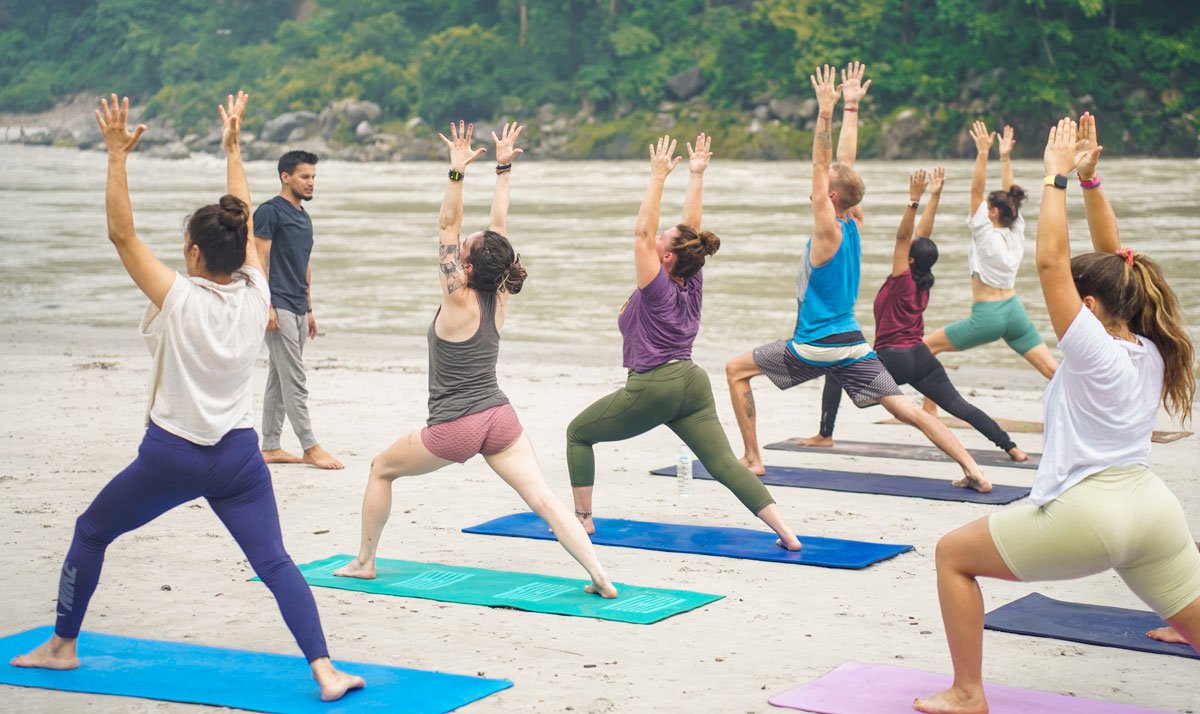
Imagine this: It’s a crisp morning in my backyard, the kind where the dew still clings to the grass, and I’m rolling out my mat for what started as a desperate attempt to shake off the fog of a stressful job. I’d heard about hatha yoga from a friend who swore it transformed her from a frazzled mom into a zen-like force. Skeptical at first—I mean, how could twisting like a pretzel fix my back pain and racing thoughts?—I dove in anyway. Fast forward a few months, and I’m hooked, feeling stronger, calmer, and more alive than ever. If you’re curious about hatha yoga benefits, stick around; I’ll share the top five that blew me away, backed by real experiences and solid insights.
What is Hatha Yoga?
Hatha yoga, often called the foundation of all modern yoga styles, blends physical postures, breathing exercises, and meditation to balance the body and mind. Originating from ancient Indian texts like the Hatha Yoga Pradipika, it emphasizes slow, deliberate movements that make it accessible for beginners while challenging enough for pros. Think of it as a gentle conversation between your sun (ha) and moon (tha) energies, harmonizing strength with serenity in everyday life.
Unlike faster-paced vinyasa flows that sync breath with quick transitions, hatha holds poses longer to build awareness and alignment. This style isn’t just about flexibility; it’s a holistic practice that prepares you for deeper mindfulness. From my own journey, starting with simple sun salutations opened doors to better focus during chaotic days.
Hatha Yoga vs. Other Styles: A Quick Comparison
To understand hatha better, let’s compare it to popular alternatives. I’ve tried a few, and each has its vibe.
| Yoga Style | Pace | Focus | Ideal For |
|---|---|---|---|
| Hatha | Slow and steady | Posture, breath, meditation | Beginners, stress relief, building foundations |
| Vinyasa | Fast-flowing | Movement synced with breath | Cardio lovers, building heat and endurance |
| Ashtanga | Structured sequences | Strength and discipline | Advanced practitioners seeking routine |
| Yin | Very slow, passive | Deep stretches, connective tissues | Recovery, flexibility without strain |
This table shows hatha as the approachable entry point, perfect if you’re easing into yoga without overwhelming intensity.
The Top 5 Amazing Hatha Yoga Benefits
Diving into the heart of why hatha yoga shines, these benefits aren’t just buzzwords—they’re game-changers I’ve felt firsthand. Whether you’re battling desk-job stiffness or seeking inner peace, hatha delivers. Let’s break down the top five, with real examples to make it relatable.
Benefit 1: Enhanced Flexibility and Strength
Picture me in my first class, struggling to touch my toes like a rusty hinge—embarrassing, right? But after consistent hatha sessions, my muscles loosened up, and I could fold forward with ease. This benefit stems from poses that gently stretch and tone, improving range of motion without the risk of injury common in high-impact workouts.
Hatha builds strength subtly; think warrior poses that engage your core and legs, turning everyday tasks like carrying groceries into a breeze. It’s not about bulking up but creating functional power that lasts. One study even showed participants gaining noticeable flexibility after just a few weeks, proving it’s effective for all ages.
- Pros: Gradual progress reduces strain; combines stretch with build-up.
- Cons: May feel slow if you’re used to intense gym sessions.
From personal trial and error, pairing hatha with a foam roller amplified these gains—try it!
Benefit 2: Reduced Stress and Improved Mental Clarity
Ah, the mental magic of hatha—my favorite escape hatch from life’s chaos. During a tough period last year, when work deadlines piled up like unpaid bills, incorporating pranayama (breath control) in hatha practice melted away my anxiety. It’s like hitting a reset button, calming the nervous system and sharpening focus.
This benefit shines through meditation elements, where holding poses quiets the mind’s chatter. Research links it to lower cortisol levels, that pesky stress hormone, leading to clearer thinking and better decision-making. I remember emerging from a session feeling like I’d meditated for hours, ready to tackle anything.
- Bullet point lists help here: Deep breathing activates relaxation response; poses release endorphins for natural mood boost.
- Another: Consistent practice builds resilience against daily stressors.
Humor alert: If your mind wanders like mine does (hello, grocery list mid-downward dog), hatha gently reels it back without judgment.
Benefit 3: Better Posture and Balance
Who knew slouching at my computer could wreak such havoc? Hatha fixed that for me, aligning my spine through poses like mountain and tree, which demand poise and stability. Over time, it corrected my tech-neck habits, making me stand taller and move with grace.
This benefit prevents injuries by strengthening supporting muscles, crucial as we age. I’ve seen friends in their 50s regain confidence on hikes after hatha improved their equilibrium. Studies confirm it enhances proprioception—that body awareness that keeps you steady.
Pros and cons time:
- Pros: Reduces back pain; boosts confidence in movement.
- Cons: Requires patience; initial wobbles can be frustrating (but funny in retrospect).
Incorporating balance challenges, like standing on one foot, turned my practice into a playful game.
Benefit 4: Improved Sleep Quality
Tossing and turning used to be my nightly ritual, until hatha stepped in with its restorative poses. Ending sessions with child’s pose or legs-up-the-wall drained the day’s tension, paving the way for deeper slumber. It’s emotional too—releasing pent-up worries for peaceful rest.
Hatha promotes better sleep by regulating the body’s rhythms, with breathwork mimicking natural wind-down cues. One anecdote: After a late-evening class, I slept like a log, waking refreshed without coffee. Evidence from wellness sites backs this, noting fewer insomnia episodes among practitioners.
- Key tips: Avoid vigorous poses before bed; opt for gentle flows.
- Emotional hook: Imagine drifting off effortlessly, dreams vivid and restorative.
Light humor: Hatha turned my sheep-counting into unnecessary—now I just breathe and zonk out.
Benefit 5: Boosted Immune System and Overall Vitality
Last but not least, hatha’s holistic approach revved up my immunity during flu season. By enhancing circulation and reducing inflammation through twists and inversions, it keeps the body resilient. I dodged a cold wave at work while colleagues sniffled away—coincidence? I think not.
This benefit ties into better organ function and detoxification, with poses stimulating lymph flow. Personal story: Post-hatha, my energy soared, turning sluggish afternoons into productive ones. Sources highlight its role in chronic health management, like supporting heart health.
- Pros: Natural defense builder; integrates with diet for max effect.
- Cons: Not a cure-all; combine with medical advice.
It’s empowering, knowing a mat and some breaths can fortify your inner warrior.
People Also Ask: Common Questions About Hatha Yoga Benefits
Drawing from real Google searches, here’s a section addressing what folks often wonder. These questions pop up frequently in SERPs, so let’s tackle them head-on.
What are the main benefits of hatha yoga?
Hatha yoga excels in building physical strength, flexibility, and mental peace through balanced practices. It’s great for stress relief and posture improvement, as many users report feeling more centered after sessions. For deeper dives, check resources like Yoga Journal for expert insights.
Is hatha yoga good for beginners?
Absolutely—its slower pace allows time to learn proper form without overwhelm. Beginners often start here to build confidence before trying faster styles. If you’re new, apps like Down Dog offer guided classes.
How does hatha yoga differ from vinyasa?
Hatha focuses on holding poses for breath awareness, while vinyasa flows dynamically. Both benefit health, but hatha suits those seeking mindfulness over cardio. External link: Healthline’s comparison breaks it down well.
Can hatha yoga help with weight loss?
Yes, by boosting metabolism and mindful eating habits, though it’s more about toning than rapid burn. Pair it with diet for best results—I’ve lost a few pounds sustainably this way.
What are some basic hatha yoga poses?
Start with mountain pose for alignment, downward dog for stretches, and child’s pose for rest. These foundational asanas deliver quick benefits. For tutorials, visit Isha Foundation’s site.
Where to Get Started with Hatha Yoga
If you’re navigationally inclined, local studios like YogaWorks offer in-person classes—search “hatha yoga near me” for options. Online platforms such as YouTube channels by Adriene or apps like Glo provide free sessions. For gear, transactional picks include the Manduka PRO mat for grip or Lululemon blocks for support; they’re game-changers for home practice.
Internal link: Check our guide on [/best-hatha-yoga-poses-for-beginners] for step-by-steps.
Best Tools and Resources for Hatha Yoga
Transactionally speaking, invest in quality tools to enhance your experience. Here’s a pros/cons list for top picks:
- Yoga Mat: Pros—cushions joints, non-slip; Cons—cheap ones wear out fast. Best: Jade Harmony, eco-friendly and durable.
- Blocks and Straps: Pros—aid alignment, deepen stretches; Cons—extra cost. Recommendation: Gaiam essentials kit.
- Books: Pros—in-depth knowledge; Cons—less interactive. Top: “Light on Yoga” by B.K.S. Iyengar for authoritative guidance.
External link: Amazon’s yoga section has reviews galore.
FAQ: Answering Your Hatha Yoga Questions
What is the best time to practice hatha yoga?
Morning sessions energize your day, but evenings help unwind—consistency matters more than timing. I’ve found dawn practices set a positive tone.
How often should I do hatha yoga for benefits?
Aim for 3-5 times weekly; even 20 minutes counts. Start slow to avoid burnout, building up as you feel the perks.
Can hatha yoga cure back pain?
It alleviates by strengthening core and improving posture, but consult a doctor for chronic issues. My own relief came gradually, not overnight.
Is hatha yoga suitable for seniors?
Yes, with modifications—it’s low-impact and boosts balance, reducing fall risks. Many classes cater to older adults.
Does hatha yoga include meditation?
Definitely; it integrates breath and mindfulness for full benefits. Short meditations at the end seal the practice.
Wrapping up, these top five hatha yoga benefits—flexibility, stress reduction, posture, sleep, and immunity—have reshaped my life from scattered to serene. It’s not just exercise; it’s a journey inward, sprinkled with laughs at my early fumbles and triumphs in holding that elusive crow pose. Give it a try; your body and mind will thank you. For more, explore [/related-yoga-styles].